
Build a room-by-room home inventory and a protected emergency-document index that is easy to update, retrieve, and use before or after a disruption.
Apartment and city readiness
Build a compact plan around shared systems and limited space
Apartment and city planning has to account for shared utilities, building rules, elevators, stairs, transit, storage, neighbors, and routes that may be crowded or unavailable. Prepare both a stay-in-place layer and a portable way to leave.
Is this the right starting point for you?
- Who this is for
- Apartment residents, renters, students, and city households working with limited storage, shared buildings, public transit, mobility constraints, pets, or no private outdoor space.
- First decision
- What must remain usable if the household stays, and what can each person safely carry if the building or neighborhood must be left?
- Portable essentials before stockpiles
- Building and transit limits included
- Shelter and evacuation both planned
Recommended starting guide
Apartment Emergency Preparedness: A Small-Space Plan
Adapt water, food, power, communication, mobility, pets, storage, and evacuation choices to the building and the people who live there.
Continue in this order
After the starting guide, use only the steps that match the household decision in front of you.
-
Build a portable kit
Prioritize water, food, medication, light, communication, documents, and mobility.
Read this guide -
Create the household plan
Document alerts, contacts, meeting points, evacuation choices, and seasonal maintenance.
Read this guide -
Test the carrying plan
Add real category weights, set a household-specific target, decide what rides instead of being carried, and test the route.
Read this guide
36 published guides
More Apartment & city readiness guides
Check the updated date, sources, assumptions, and safety limits inside each guide before acting.

Use official clearance, structural and utility stop signs, protective equipment, documentation, and clear professional handoffs before entering a flooded home.

Choose and prepare one room that can reduce wildfire-smoke particles while remaining cool, usable, and ready for the household to leave if conditions change.
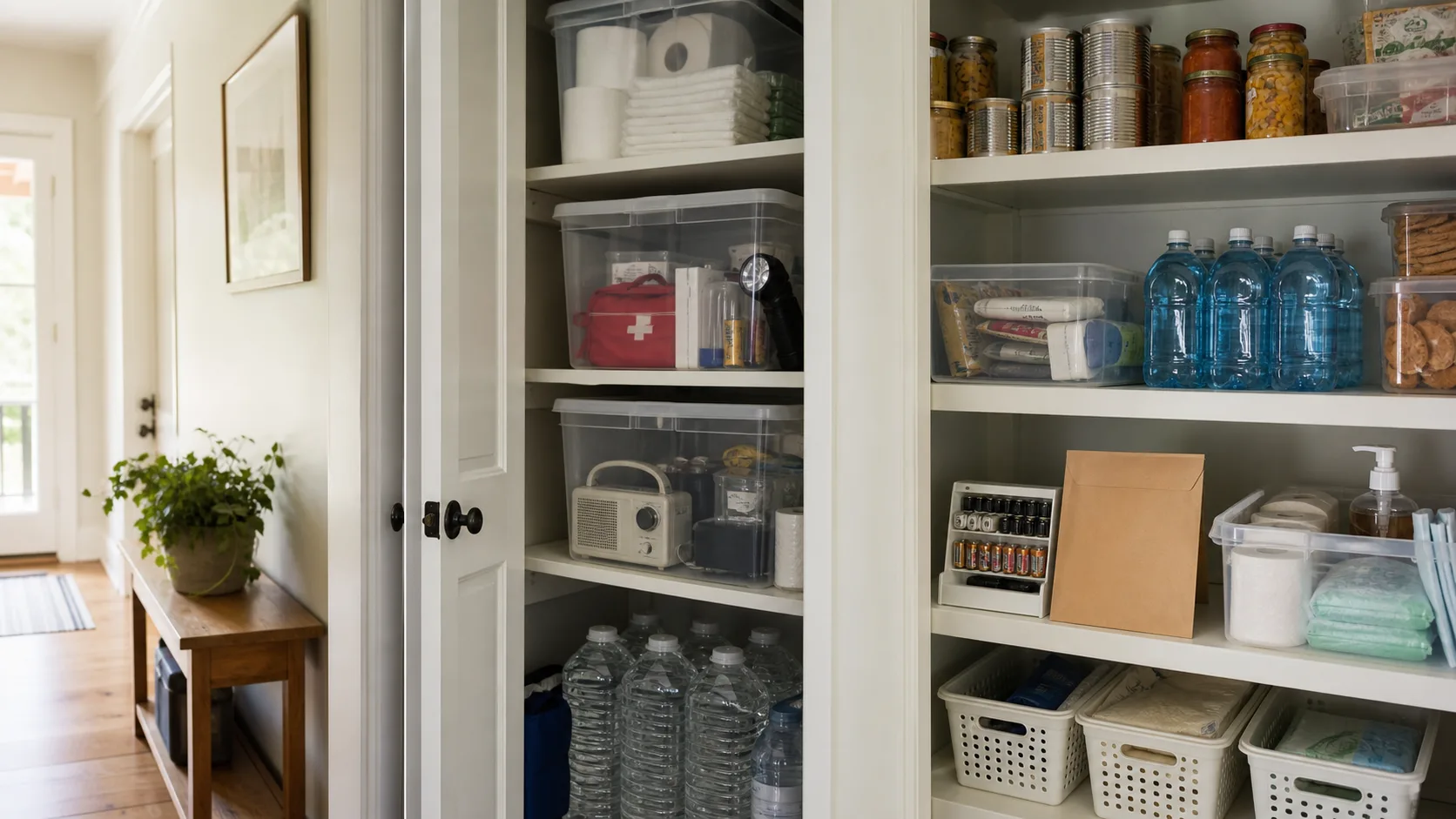
Weigh an emergency go-bag by category, set a household-specific carrying target, protect essential and accessibility items, distribute supplies, and practice the route.
More guides in this topic
28 more household decisions
- Extreme Heat and Power Outages: A Household Cooling and Safety Plan
- 15 Winter Preparedness Mistakes to Avoid
- Winter Household Communication Plan: Travel, Outages, and Check-Ins
- Hurricane Preparedness Checklist: Evacuation, Home, and Outage Planning
- Disaster Preparedness Checklist: A Household Planning Review
- Home Improvement Preparedness: Prioritize Safety and Resilience
- Home Security During a Blackout: A Calm Household Plan
- Monthly Winter Prep Calendar: A September-to-Spring Schedule
- Spring Storm Season Prep: A Home Readiness Reset
- Winterizing a Home and Preventing Frozen Pipes During Outages
- Power Outage Home Resilience Manual
- Fall Home Preparedness Checklist: Inspect Before Freezing Weather
- Build a Home Emergency Kit That Fits Your Household
- Indoor Heating Safety During a Power Outage
- Wildfire Home Preparedness: Evacuation, Property, and Smoke Planning
- Safe Emergency Heating During a Power Outage: Four Practical Options
- Long Power Outage Planning: Two Weeks and Beyond
- Disability-Inclusive Emergency Plan: Access, Support, and Evacuation
- Emergency Medication Record and Storage Plan
- Earthquake Household Plan: During Shaking and the First Safety Check
- Flood Alerts and Evacuation: A Household Decision Plan
- Pet and Service Animal Emergency Plan: Transport, Shelter, and Care
- Tornado Shelter Plan: Alerts, Safe Locations, and Fast Access
- Emergency Preparedness for Older Adults and Care Partners
- Winter Power Outage Guide: Heat, Pipes, Food, and the Decision to Leave
- Home Resilience: A Practical Household Preparedness Guide
- Winter Storm Preparedness Guide: Before, During, and After
- Winter Storm Watch vs. Warning: What the Alert Means
Equipment research
Use these guides after you know the household requirement. Specifications, prices, and availability change, so verify dated details with the manufacturer or seller before buying.

Compare a portable air cleaner, a compatible HVAC filter, and a temporary DIY unit by room size, airflow, smoke-particle performance, ozone, noise, power, and upkeep.
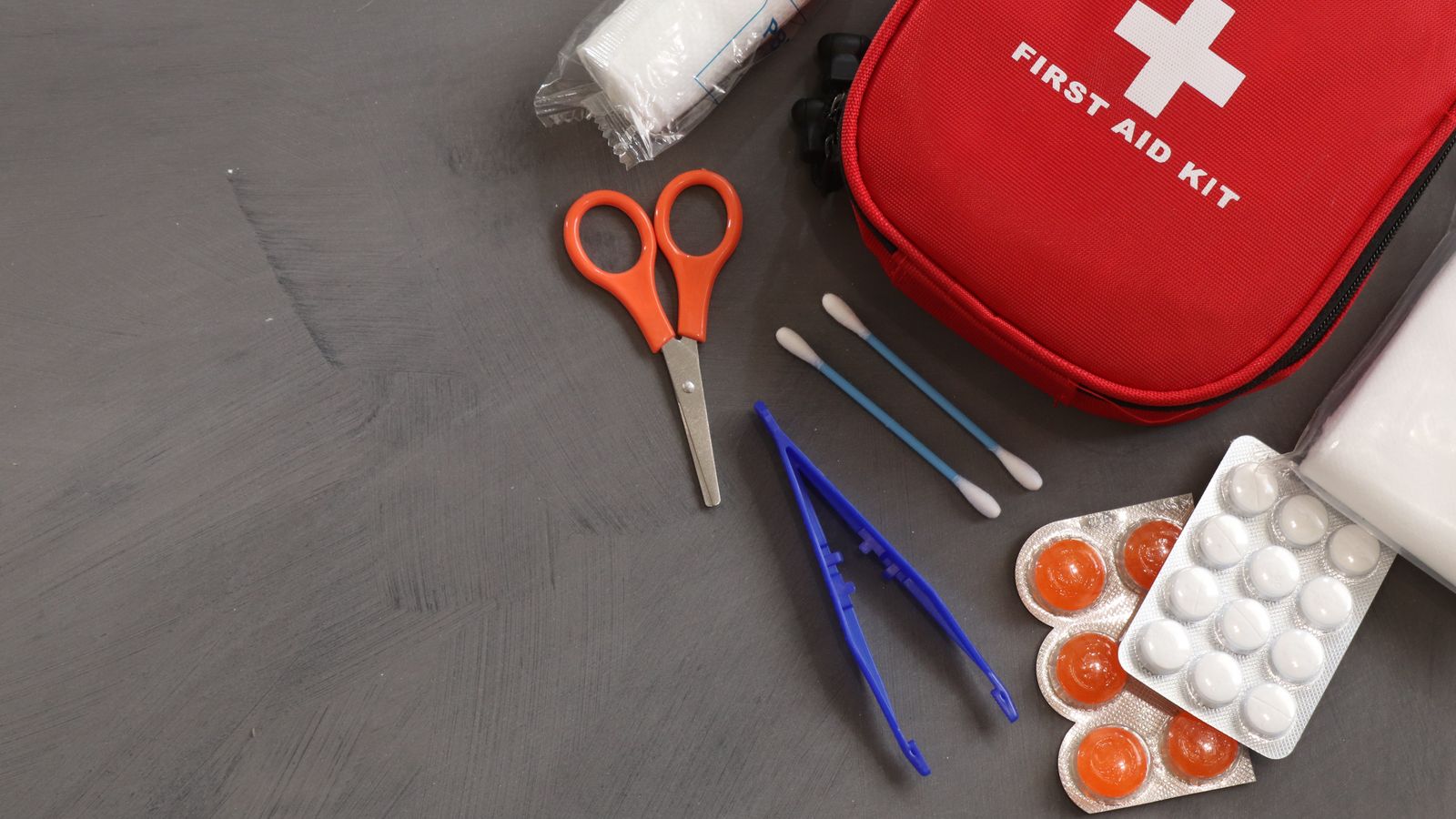
A practical, brand-neutral checklist for water, food, medication, light, communication, sanitation, documents, tools, evacuation, and household needs.
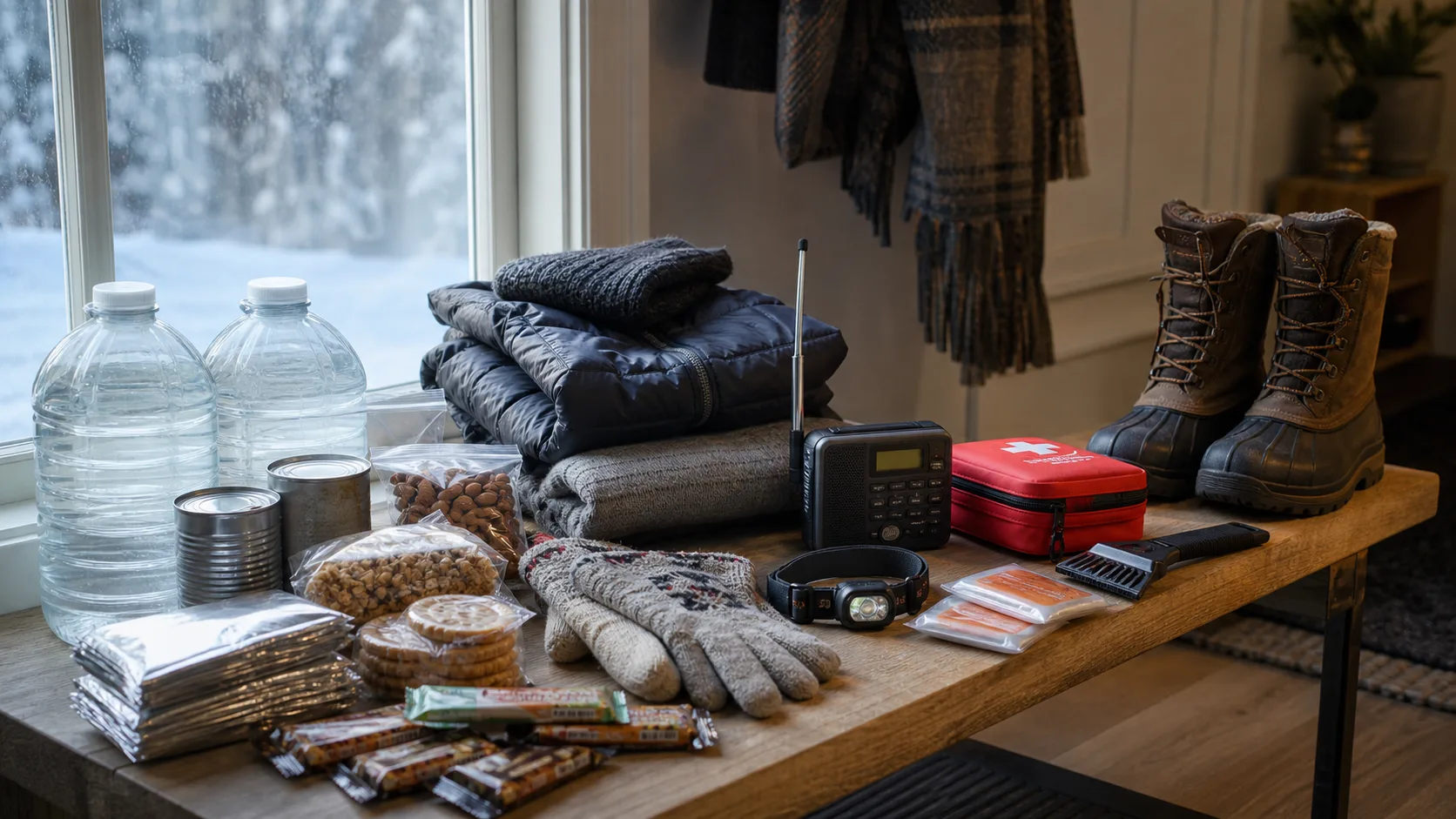
Build a winter kit for home, vehicle, and evacuation with water, familiar food, medication, warm layers, light, communication, safe heat limits, and maintenance.
Before you begin
How much should an apartment household store?
Use local hazard guidance and your household needs to choose a duration. Favor supplies that fit safely, can be carried if needed, and are easy to rotate rather than a fixed universal stockpile.
Should I shelter in place or evacuate?
The hazard, building condition, official instructions, transportation, health needs, and route safety determine the choice. Plan both options before an emergency and follow evacuation orders.
How do I prepare if an elevator stops?
Plan portable supply weights, medication access, device charging, mobility assistance, and a way to contact building management or emergency services. Do not use an elevator during a fire.