Food safety and insurance are two entirely separate considerations. First decide what food must be discarded using official food-safety guidance; then ask whether your policy may cover that loss. A possible insurance claim does not make questionable food safe, and a food inventory list does not prove that a policy covers spoilage.
FoodSafety.gov’s outage chart mandates assessing food item by item and never tasting items to judge safety. Follow that chart and local public-health instructions before cleaning or documenting a refrigerator.
What changes the insurance answer?
Do not assume that an area-wide power outage automatically triggers insurance reimbursement. Ask your insurer to apply exact policy phrasing.
| Policy question | Details to record | Who Should Skip It / Fails When |
|---|---|---|
| Which policy applies? | Homeowners, renters, condominium, landlord, or another policy; insured address and named insured. | Skip if you reside in a facility where food loss is covered by commercial lease terms. |
| Where did electricity fail? | Inside the home, at the building, or in the wider utility network; note utility outage notices. | Fails when outage is caused by intentional utility shutoff for non-payment. |
| What caused the outage? | Utility interruption, storm damage at the home, equipment failure, or another documented cause. | Fails when policy requires off-premises utility failure endorsements that were omitted. |
| What loss is covered? | Refrigerated food, frozen food, or general property loss; list items and quantities. | Fails when total loss value is lower than your policy deductible. |
Worked Financial Viability and Deductible Calculation
Evaluating whether filing a food spoilage claim makes financial sense requires comparing total loss value against your policy deductible. For example:
- Total Estimated Spoiled Food Value: 400 USD (meat, dairy, produce, frozen items)
- Standard Policy Food Spoilage Sublimit: 500 USD maximum payout cap
- Standard Homeowners Deductible: 1,000 USD per claim occurrence
- Net Claim Payout Calculation: 400 estimated loss minus 1,000 deductible equals -600 USD net payout (meaning filing a claim results in zero reimbursement and risks raising your claims history score).
Keep a simple loss record
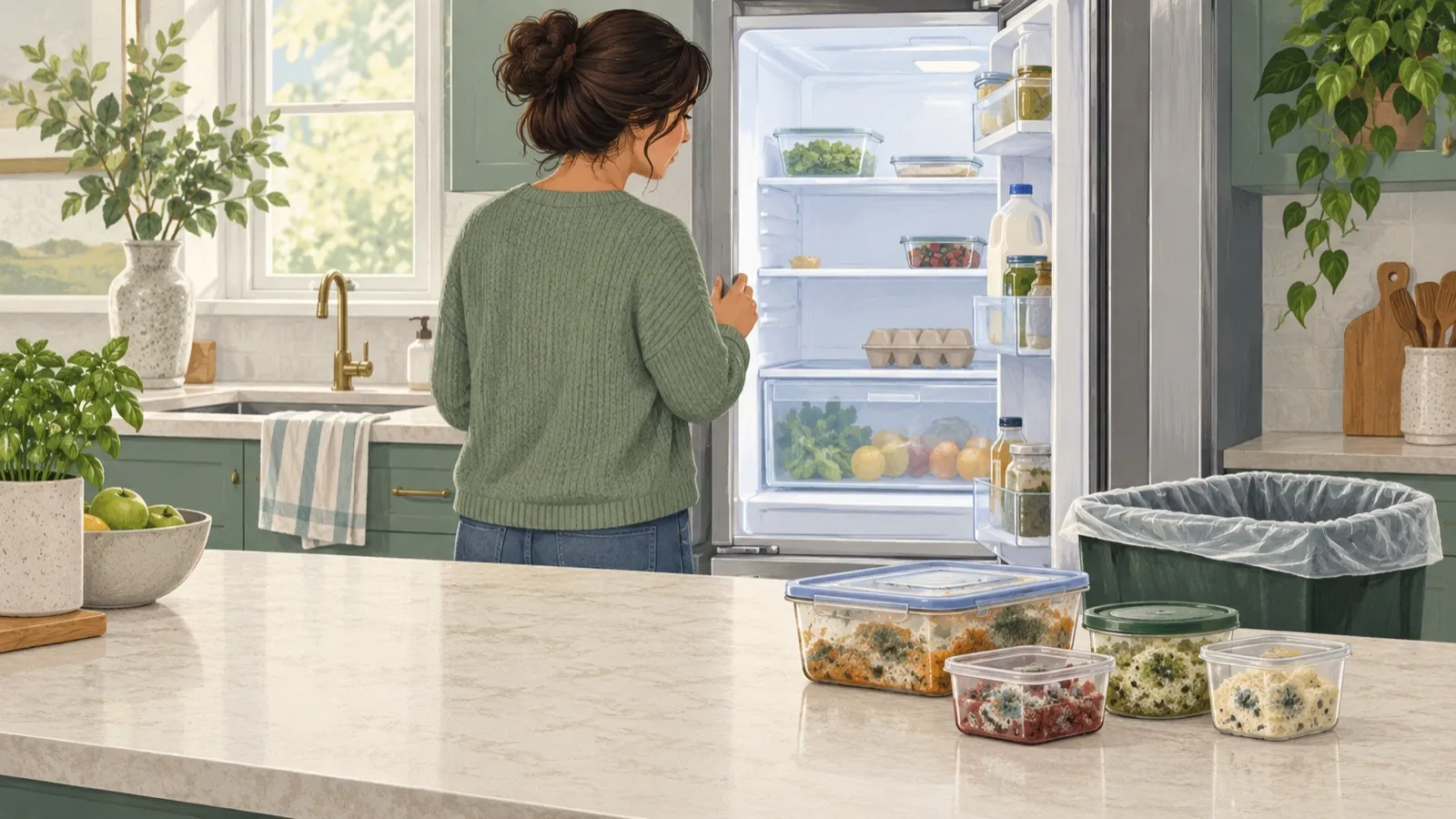
Once food-safety decisions are complete, record the outage start and end times as best you can, what failed, and the source of those details. Photograph affected food only if safe and practical; keep a concise item list, and save receipts you already have. Do not delay disposal of unsafe food or needed cleanup while trying to create a perfect record.
Ask the insurer whether it wants a claim opened, what form or evidence it requires, and whether the deductible or special limit changes the next step. Keep the representative’s name, date, response, and policy section in your note.
Clean up only after food is handled
After disposing of questionable food, use the separate refrigerator cleanup checklist. Cleaning protects the appliance and household; it does not restore food or establish a valid claim. If you still need to determine whether the refrigerator returned to normal operation, use the temperature-check guide.
Navigating insurance claims for minor household losses requires balancing administrative effort against actual financial return. Because many standard policies carry deductibles that easily eclipse the replacement cost of a refrigerator full of perishables, filing a formal claim for food spoilage alone can sometimes be counterproductive if it impacts your claims-loss history or triggers higher premiums upon renewal. When storm damage causes both structural destruction and subsequent power failure, food spoilage is typically bundled into the larger comprehensive claim rather than filed as a standalone incident. Always request written confirmation of your insurer’s specific sublimits and deductible structures before submitting documentation, and maintain organized photographic evidence of all discarded items to facilitate a transparent review process.