
Compare ShakeAlert-powered phone alerts and check your device settings before an earthquake; alerts are not predictions and may arrive too late.
Preparedness library
Complete guide library
Browse practical planning guidance for outages, water, food, backup power, communication, and home safety. Start with a topic or browse by publication date.
Choose a household system
Each topic helps you choose a guide for the decision in front of you, with planning tools and supporting reading when useful.
Household readiness
Household plans, evacuation decisions, compact kits, and longer disruptions.
110 guidesWater & sanitation
Storage quantities, safe containers, source limits, and treatment choices.
36 guidesFood & cooking
Familiar meals, no-cook options, safe storage, and rotation.
46 guidesBackup power
Essential loads, batteries, solar, generators, and operating limits.
51 guidesCommunications
Alerts, contacts, device power, and offline fallbacks when networks fail.
35 guidesHome safety & security
Fire escape, smoke and carbon-monoxide alarms, entry safety, and outage behavior.
33 guides323 published guides
Newest published guides

Check an emergency message’s issuer, location, time and current instructions without delaying action when danger is immediate.

Master crawlspace and basement dehumidifier sizing using AHAM pint ratings, vapor barrier installation standards, and gravity versus pump drainage.

Use EPA room-size guidance and product smoke CADR ratings to compare portable air cleaners for wildfire smoke.

Practical steps for reviewing room cooling, air-cleaner sizing, and backup-power compatibility to prepare for extreme heat, wildfire smoke, and power outages.

Learn how to check system compatibility before choosing a higher-efficiency HVAC filter for wildfire smoke.

Compare cold-climate mini-split proposals by reviewing the home load calculation, exact matched equipment data at local design conditions, room coverage, and the backup-heat plan.

Compare portable heat pumps and dual-hose air conditioners using model-specific cooling ratings, heating limits, drainage needs, and electrical requirements.

Compare whole-house ERV and HRV proposals, understand what the labels do and do not show, and prepare a smoke-event operating plan with the qualified installer and equipment instructions.
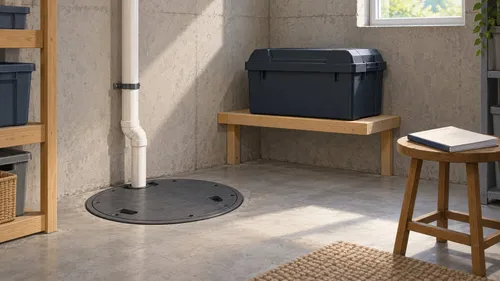
Compare a backup sump pump’s flow curve with site head and water inflow, then check battery and controller limits for the exact system.
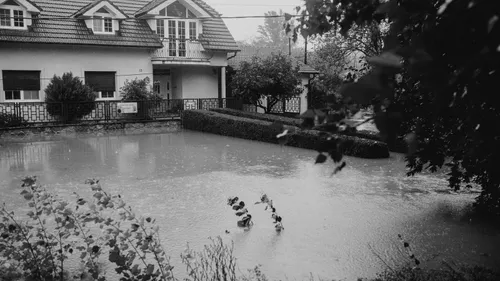
Protect your foundation from flooding. Map your roof runoff, surface grading, and basement seepage to identify when you need a drainage professional.

Start with gutters, downspouts and surface water. If water persists, compare drainage approaches and prepare useful questions for a qualified local contractor.

A doorway barrier is one part of a site-specific flood plan. Use this worksheet to compare exact product documentation and know when to leave the area.

Compare backwater valves and overhead sewer systems as site-specific ways to reduce basement sewer-backup risk, with a licensed plumber and local-code review.

Cold weather can block a sump discharge line. Check the visible outlet, understand one type of relief fitting, and leave plumbing changes to qualified help.

Review window well drainage, cover operation, and emergency escape space with a qualified local contractor before making changes.
Burning smells, sparks, buzzing, heat, scorch marks or repeated breaker trips can signal electrical trouble. Keep clear, do not open or reset a panel, and call emergency services or a licensed electrician as conditions require.
After replacing a router, check Wi-Fi credentials, supported security, device band needs and hub access. Reconnect devices using their manuals; do not weaken network security or reset essential equipment just to force pairing.

Review what smart-home devices sense, who can access them, what data leaves the home and how long cloud recordings remain. Check exact model settings while preserving needed alarms and accessibility controls.
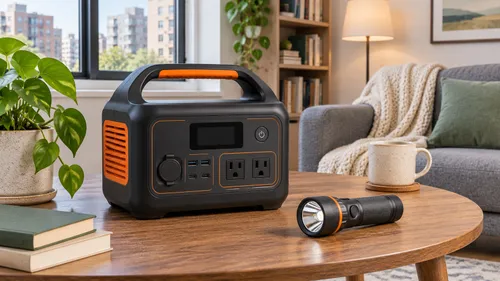
Compare renter-accessible power banks, UPS units and portable batteries for small loads while following device manuals and building rules. Never use fuel-burning equipment indoors or backfeed apartment wiring.