
Decide whether extinguisher use is appropriate, read class and listing labels, check the exact unit, learn PASS, and know when to leave.
Preparedness library
Guides for the decision in front of you
Browse practical planning guidance for outages, water, food, backup power, communication, and home security. Start with a topic or continue through the latest updates.
Choose a household system
Each topic starts with a recommended guide, then points to the most useful calculator or checklist and supporting reading.
Apartment & city readiness
Household plans, evacuation decisions, compact kits, and longer disruptions.
36 guidesWater & sanitation
Storage quantities, safe containers, source limits, and treatment choices.
7 guidesFood & cooking
Familiar meals, no-cook options, safe storage, and rotation.
10 guidesBackup power
Essential loads, batteries, solar, generators, and operating limits.
13 guidesCommunications
Alerts, contacts, device power, and offline fallbacks when networks fail.
6 guidesHome security
Entry points, lighting, household routines, privacy, and outage behavior.
8 guides80 published guides
Latest guides

Map usable exits, choose a meeting place, assign help, adapt for apartments and access needs, and practice a calm household fire drill.

Choose, place, test, maintain, and replace smoke and carbon monoxide alarms using the exact labels, manuals, local requirements, and household alert needs.

Plan for a powered medical device outage with a care fallback, device record, manual and provider checks, backup power, relocation, utility contacts, and a safe restart.

Build an emergency plan around mobility, communication, sensory and cognitive access, daily support, transportation, shelter questions, and service-animal handoff.

Make a portable medication record, review supply and refill options, follow exact storage instructions, plan for lost power, protect privacy, and prepare an evacuation handoff.

Compare a portable air cleaner, a compatible HVAC filter, and a temporary DIY unit by room size, airflow, smoke-particle performance, ozone, noise, power, and upkeep.

Prepare for earthquake shaking, aftershocks, injuries, fire, gas and electrical hazards, cautious utility shutoff, structural warning signs, and safe re-entry.

Turn flood watches, warnings, rising water, road closures, and local evacuation messages into clear household actions, safer routes, and an early-leave plan.

Build a room-by-room home inventory and a protected emergency-document index that is easy to update, retrieve, and use before or after a disruption.

Plan emergency transport, destinations, carriers, food, water, medication, records, backup caregivers, pet shelter arrangements, and service-animal access.

Use official clearance, structural and utility stop signs, protective equipment, documentation, and clear professional handoffs before entering a flooded home.

Choose a tornado shelter location, understand watches and warnings, plan for manufactured homes, apartments, vehicles, pets, accessibility, and post-storm hazards.

Choose and prepare one room that can reduce wildfire-smoke particles while remaining cool, usable, and ready for the household to leave if conditions change.

Keep a flooded private well out of service while local health officials and qualified contractors set the inspection, disinfection, flushing, and testing sequence.
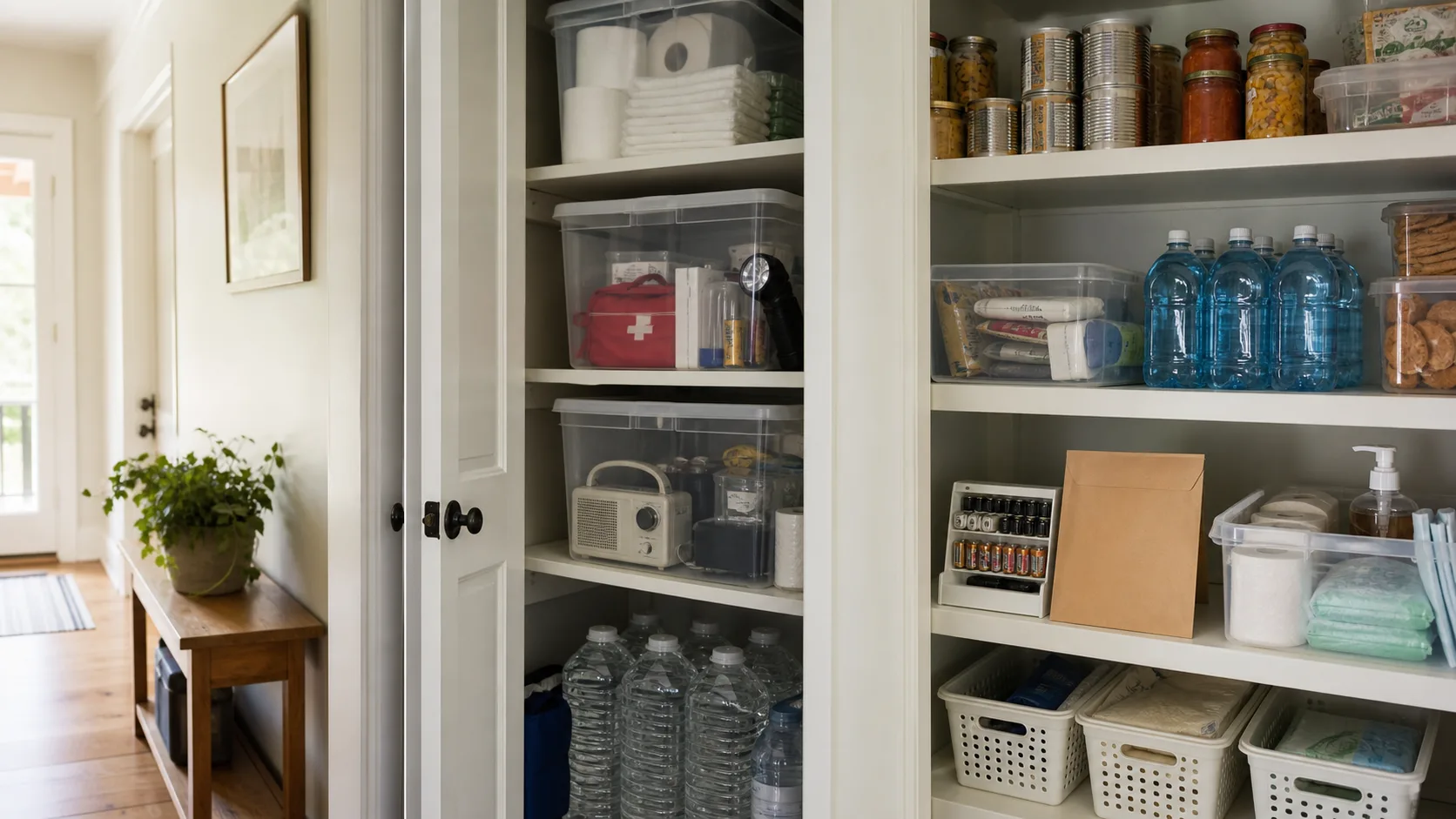
Estimate battery-backup runtime from measured loads, usable capacity, reserve, conversion loss, output limits, motor surge, temperature, age, and a real test.
Weigh an emergency go-bag by category, set a household-specific carrying target, protect essential and accessibility items, distribute supplies, and practice the route.
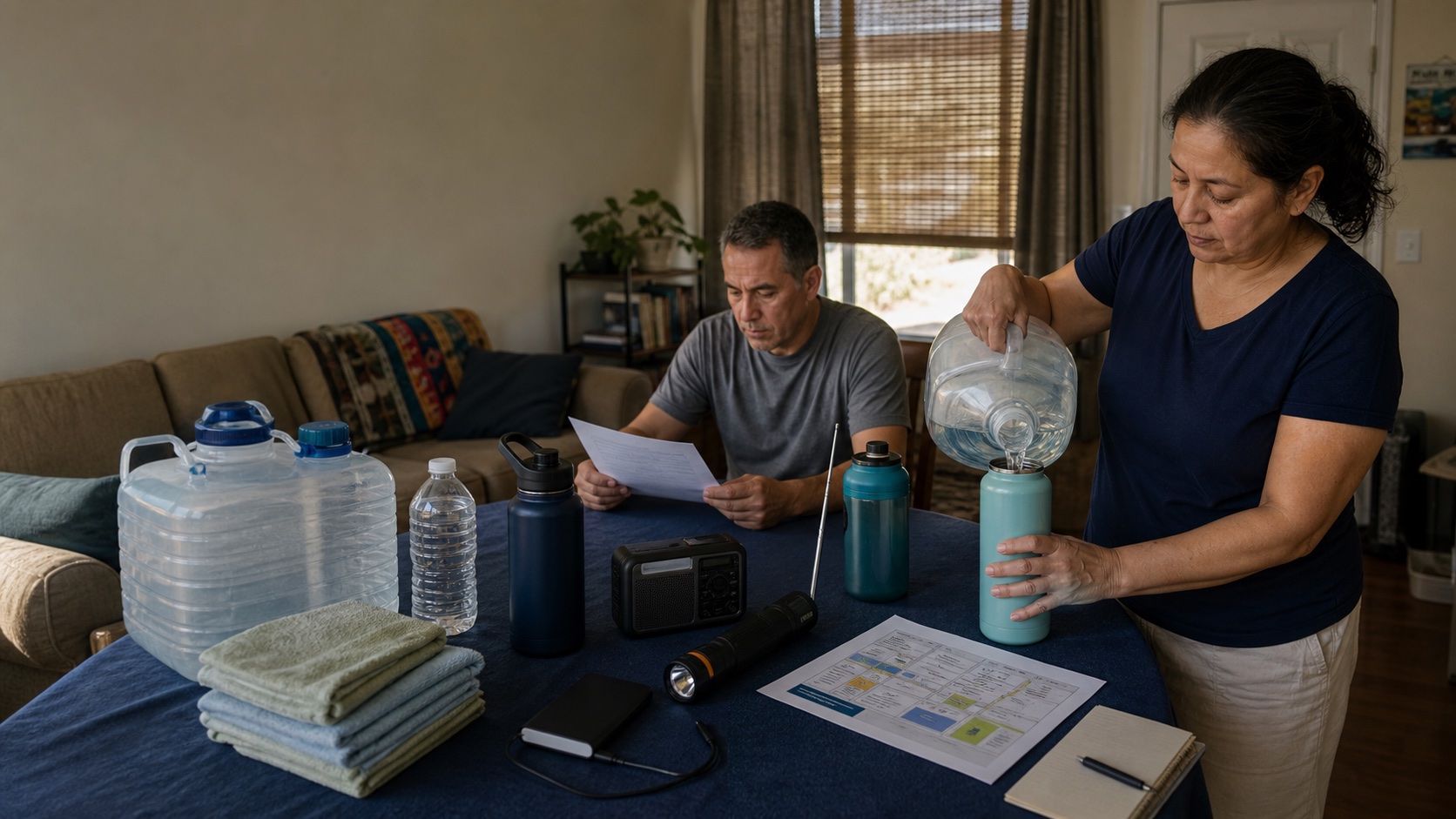
Build a heat-outage plan around official alerts, a cooler destination, shade, water, medication and equipment needs, food safety, smoke, pets, and clear reasons to seek help or leave.

Prepare for wildfire with local alerts, early evacuation decisions, a portable kit, property-specific risk reduction, indoor smoke planning, pets, power loss, and safe return.
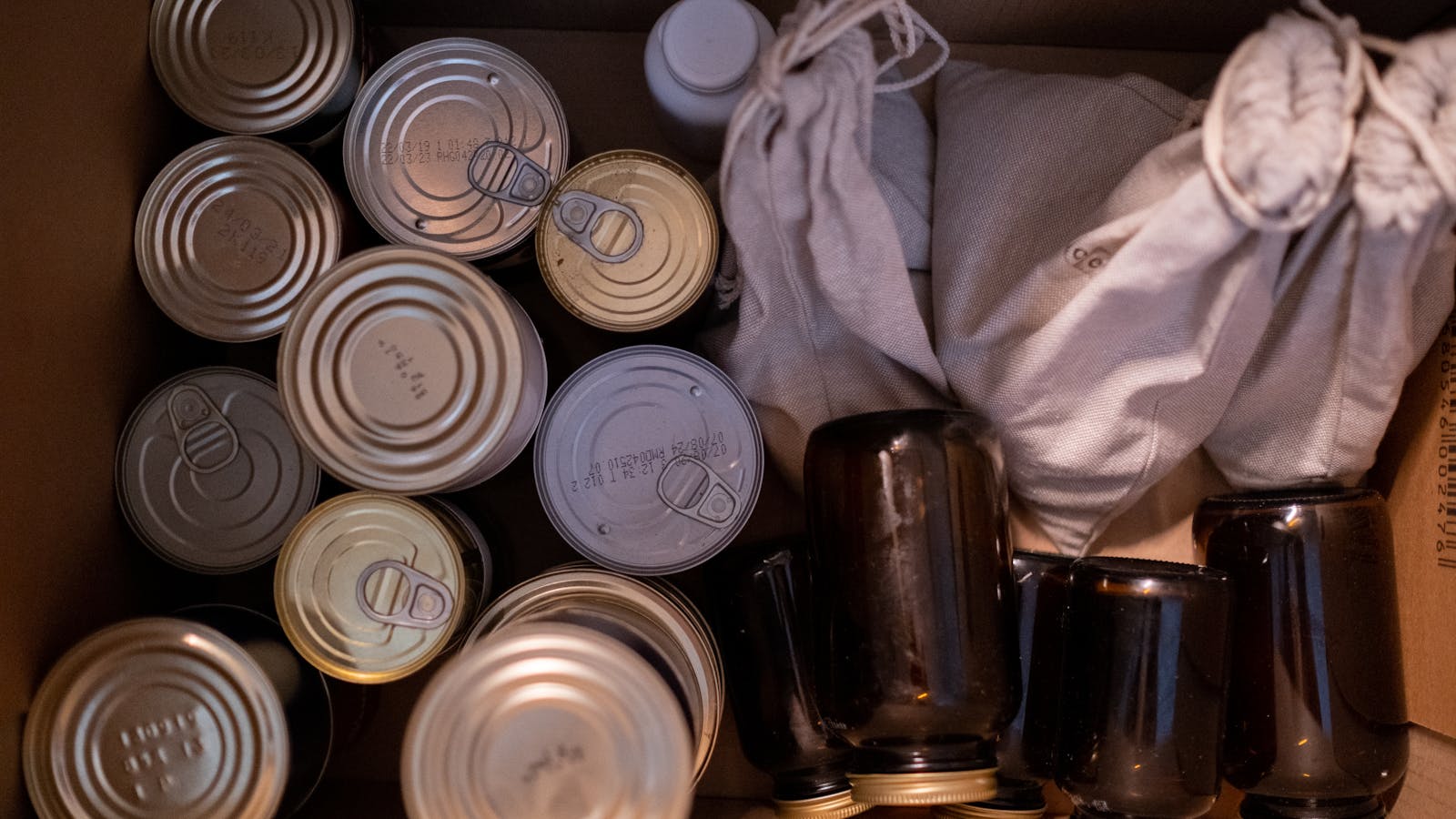
Create a realistic 14-day emergency menu with no-cook backups, low-fuel meals, a consolidated shopping list, water checks, and household adjustments.