
Keep a flooded private well out of service while local health officials and qualified contractors set the inspection, disinfection, flushing, and testing sequence.
Stored water and source safety
Store a usable supply, then plan for the source that fails
Start with water the household can reach and dispense during an outage. Then match testing and treatment to the source, advisory, or contaminant instead of assuming one filter or one disinfection method handles every problem.
Is this the right starting point for you?
- Who this is for
- Households preparing for utility outages, boil-water notices, damaged wells, questionable source water, limited sanitation, or a longer interruption in safe water service.
- First decision
- How much immediately safe water can the household store, lift, place, and dispense before it must depend on treatment or a refill source?
- Stored water as the first layer
- Treatment matched to the hazard
- Public-health instructions checked
Recommended starting guide
Emergency Water Safety Guide: Store, Treat, and Test
Follow the complete decision from stored water and public advisories to source assessment, treatment limits, testing, and safe use.
Continue in this order
After the starting guide, use only the steps that match the household decision in front of you.
-
Calculate the stored amount
Set a household baseline, add individual needs, and select containers you can move.
Read this guide -
Choose containers you can use
Compare food-contact suitability, weight, placement, cleaning access, dispensing, dating, and rotation before filling a container.
Read this guide -
Understand treatment limits
Compare boiling, disinfection, filtration, and combination approaches without assuming one fixes everything.
Read this guide
9 published guides
More Water & sanitation guides
Check the updated date, sources, assumptions, and safety limits inside each guide before acting.
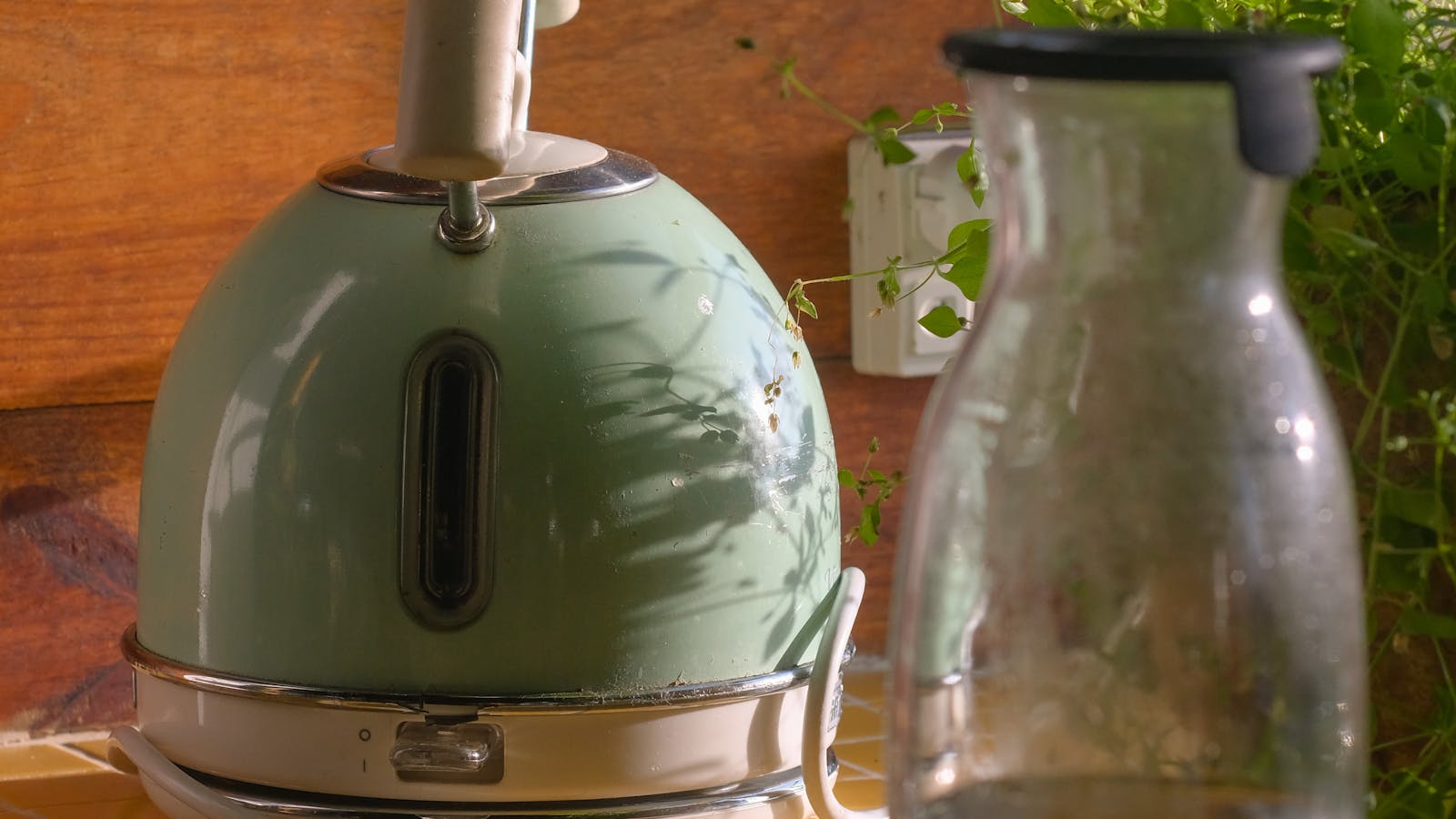
Choose a home PFAS water filter by checking your water report, exact model certification, capacity, installation needs, and replacement schedule.

Compare emergency water treatment methods by the germs or contaminants they address, their limits, and the official instructions that make them safer to use.

Choose emergency water containers by food-contact suitability, opening, size, weight, durability, placement, and dispensing needs using current CDC guidance.
Before you begin
What does an emergency water baseline cover?
It usually focuses on drinking and basic food preparation. Sanitation, heat, illness, pregnancy, medication, pets, and physical work can increase the practical amount.
Does boiling remove every contaminant?
No. Boiling can address many disease-causing organisms when public-health guidance calls for it, but it does not remove salts, many chemicals, or PFAS and can concentrate some contaminants as water evaporates.
Can rainwater be used as drinking water?
Roof runoff can contain microbes, metals, chemicals, and debris. Check local rules and current health guidance, and do not assume a basic screen or barrel makes it potable.