
Compare a portable air cleaner, a compatible HVAC filter, and a temporary DIY unit by room size, airflow, smoke-particle performance, ozone, noise, power, and upkeep.
Preparedness gear, chosen by the job
How to choose preparedness gear
Start with the job, the likely failure, and the maintenance you can sustain. These guides help you compare current options without pretending one product fits every household.
Choose the household decision
Each guide begins with what to verify and the failure modes that matter.
Backup power
Check: Essential wattage, battery chemistry, recharge options, maintenance, and safe generator placement.
Watch for: Avoid oversized systems without load math and any plan that permits indoor generator use.
Build a requirements briefWater storage and filtration
Check: Storage volume, treatment limits, replacement parts, container durability, and documented certifications.
Watch for: Avoid unbranded filters, unsuitable containers, and unsupported contaminant-removal claims.
Open the research guideEmergency food
Check: Calories, household acceptance, preparation fuel, rotation, storage conditions, and dietary needs.
Watch for: Avoid plans that count snacks as meals or require more water and fuel than you can store.
Open the research guideHome security
Check: Locks, lighting, sensors, local alarms, outage behavior, maintenance, and privacy.
Watch for: Avoid camera-only plans and systems that become useless without cloud access.
Open the research guideEmergency communications
Check: Official alerts, phone trees, battery runtime, local reception, and no-internet fallbacks.
Watch for: Avoid plans that depend on one charged phone or one network connection.
Open the research guideHousehold emergency kits
Check: Water, light, first aid, sanitation, documents, medications, route needs, and carry weight.
Watch for: Avoid gadget-heavy kits that miss household basics or cannot be carried safely.
Open the research guidePublished buyer research
Current guides for comparing requirements, tradeoffs, and evidence before you buy.
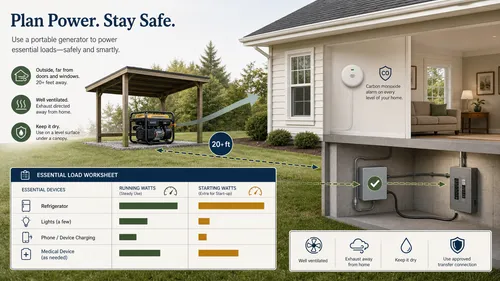
Choose a portable generator from critical loads, starting demand, a safe outdoor location, connection method, fuel plan, service, and the exact manual.
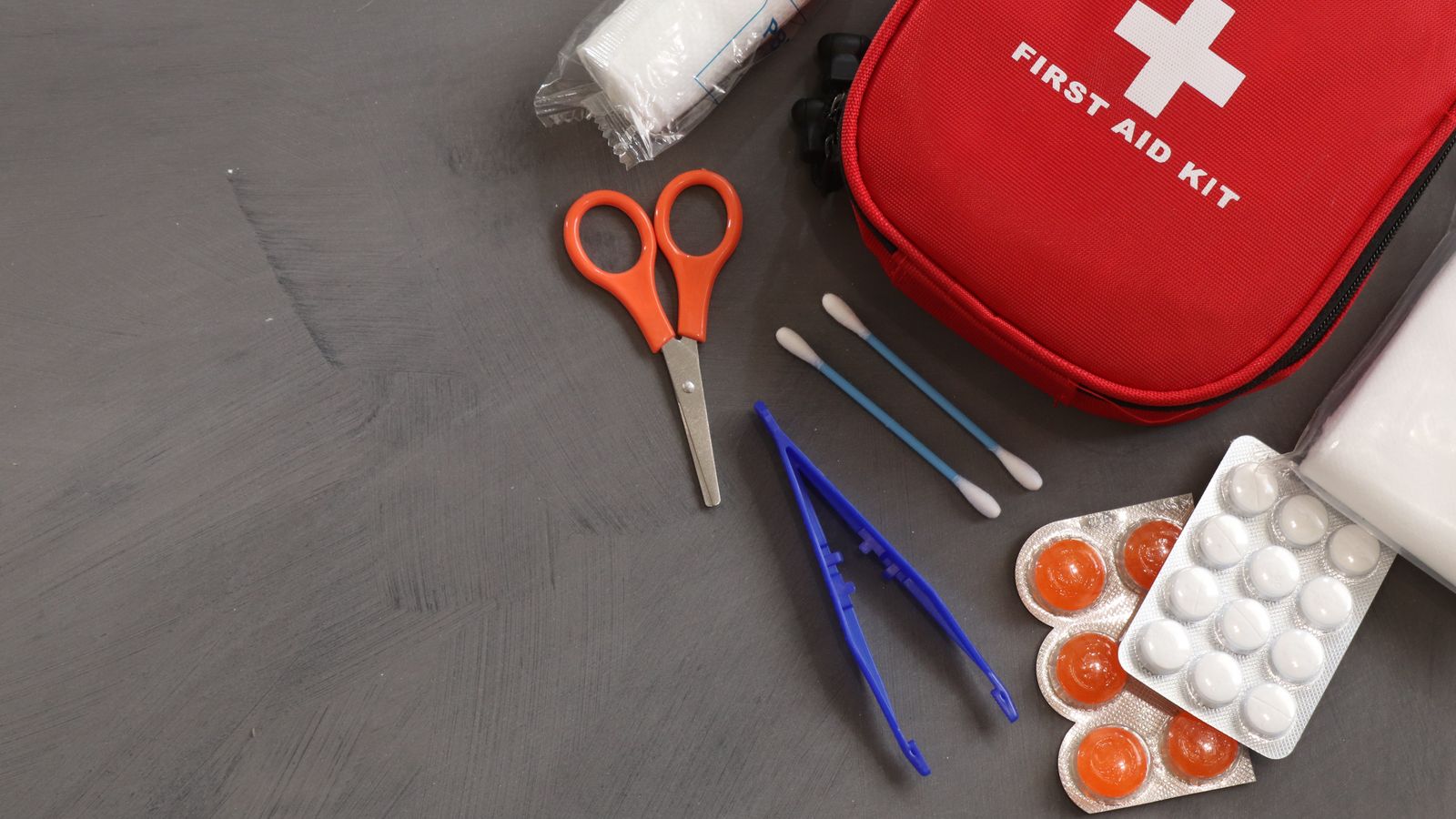
A practical, brand-neutral checklist for water, food, medication, light, communication, sanitation, documents, tools, evacuation, and household needs.
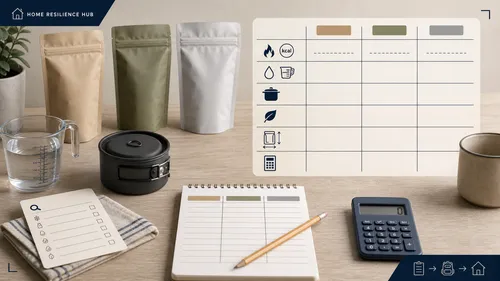
Compare freeze-dried emergency meals by usable portions, water and fuel demand, allergens, sodium, package dates, storage instructions, and household fit.
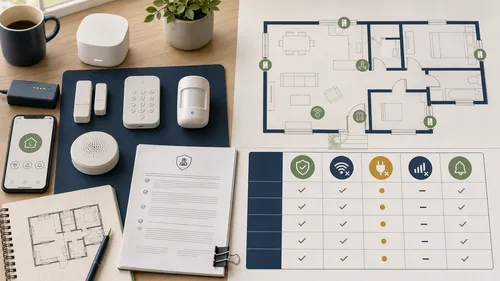
Compare DIY alarm systems by sensors, monitoring, ownership, contracts, privacy, accessibility, and power and internet outage behavior.
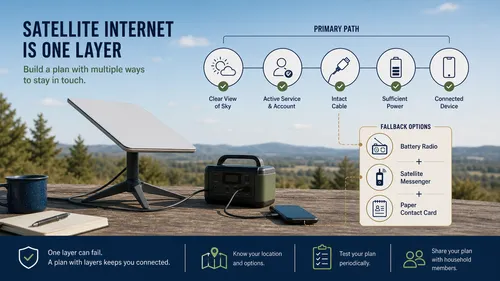
Decide whether portable satellite internet fits an outage or evacuation plan by checking coverage, sky view, current service terms, power, setup, and lower-power alternatives.

Choose a home security camera by placement, power, storage, privacy, notification, support, and offline behavior instead of temporary rankings.
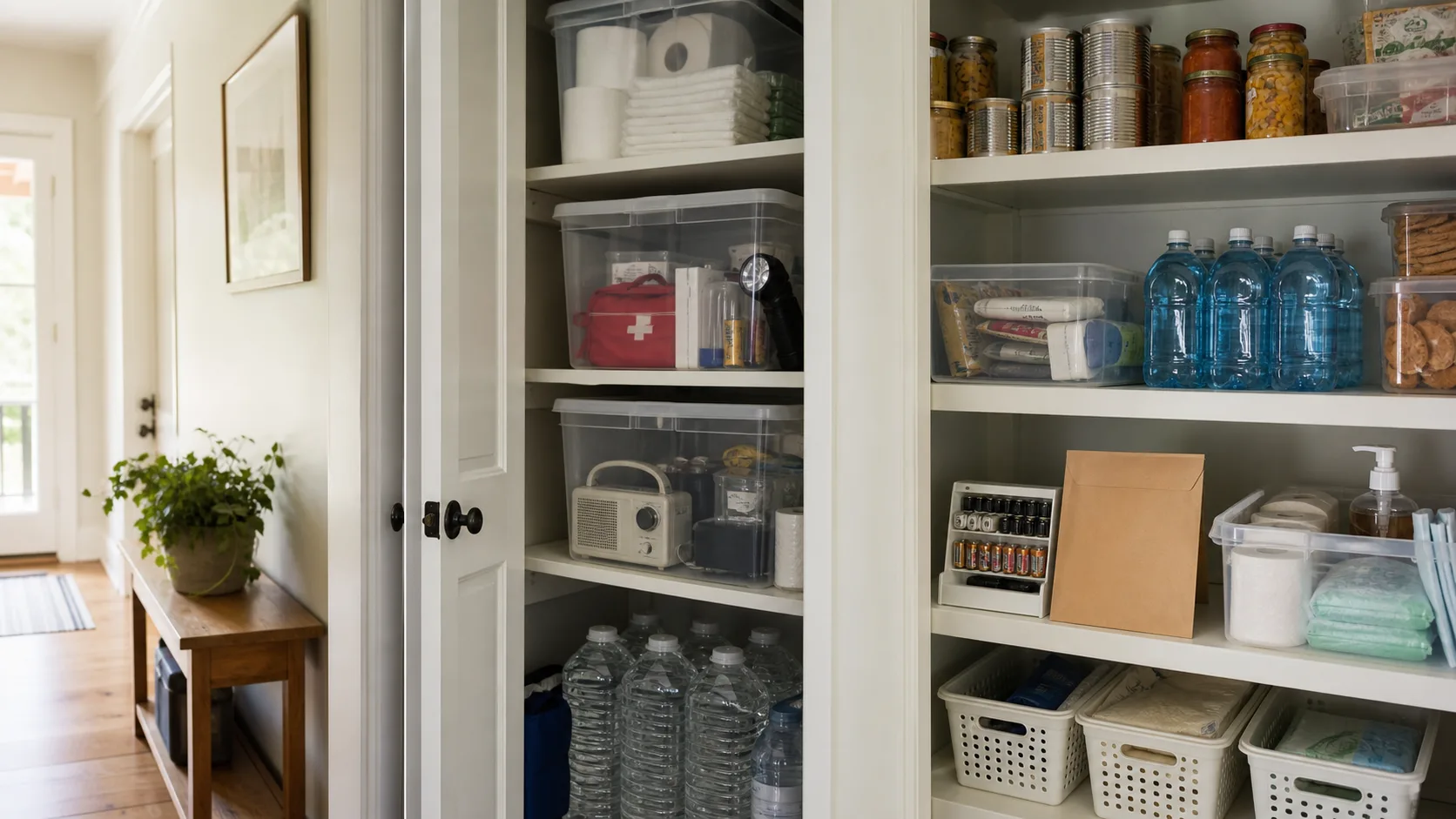
A practical way to build, store, and maintain a home emergency kit without buying a pre-made bundle you will not use.

Plan no-cook meals and safe outdoor emergency cooking with equipment, fuel, carbon monoxide controls, weather limits, cleanup, and a household test.
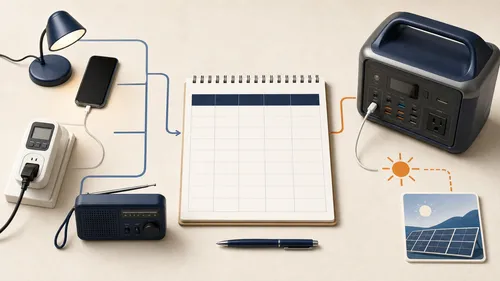
Compare portable power stations by usable energy, output, charging inputs, temperature, safety evidence, service, and a repeatable load test.

Choose and place a mesh Wi-Fi system by floor plan, wall materials, wired backhaul, security support, outage power, and a repeatable home survey.
How we evaluate gear
We separate public safety guidance, current manufacturer documentation, certification scope, and attributable reliability information from examples or estimates. When evidence is incomplete, we publish criteria and cautions instead of a winner.
- Safety risk
- Outage usefulness
- Maintenance burden
- Replacement availability
- Budget alternatives
- Reader skill level
Buyer research questions
We start with the household task and failure mode, then compare current manuals,
published specifications, certification scope, safety guidance, maintenance, and
replacement availability. We do not imply hands-on testing unless the page publishes
that evidence.
A ranking can create false confidence when products, prices, service plans, or
evidence change. In those cases, a decision framework gives readers a more durable way
to compare current options.
Start with the requirement, not a product tier. Measure the load, storage volume,
route, or coverage area first, then compare the must-have criteria within your budget.
Maintenance or a smaller backup may solve the problem better than premium gear.
No relationship guarantees favorable coverage. Any future sample, sponsorship, or
affiliate relationship must be disclosed near the affected content, and the evidence
standard remains the same.