Home Security Basics: A Practical 7-Layer Plan
Build a practical home security plan with sound entry hardware, daily habits, lighting, cameras, alarms, account security, and outage fallbacks.
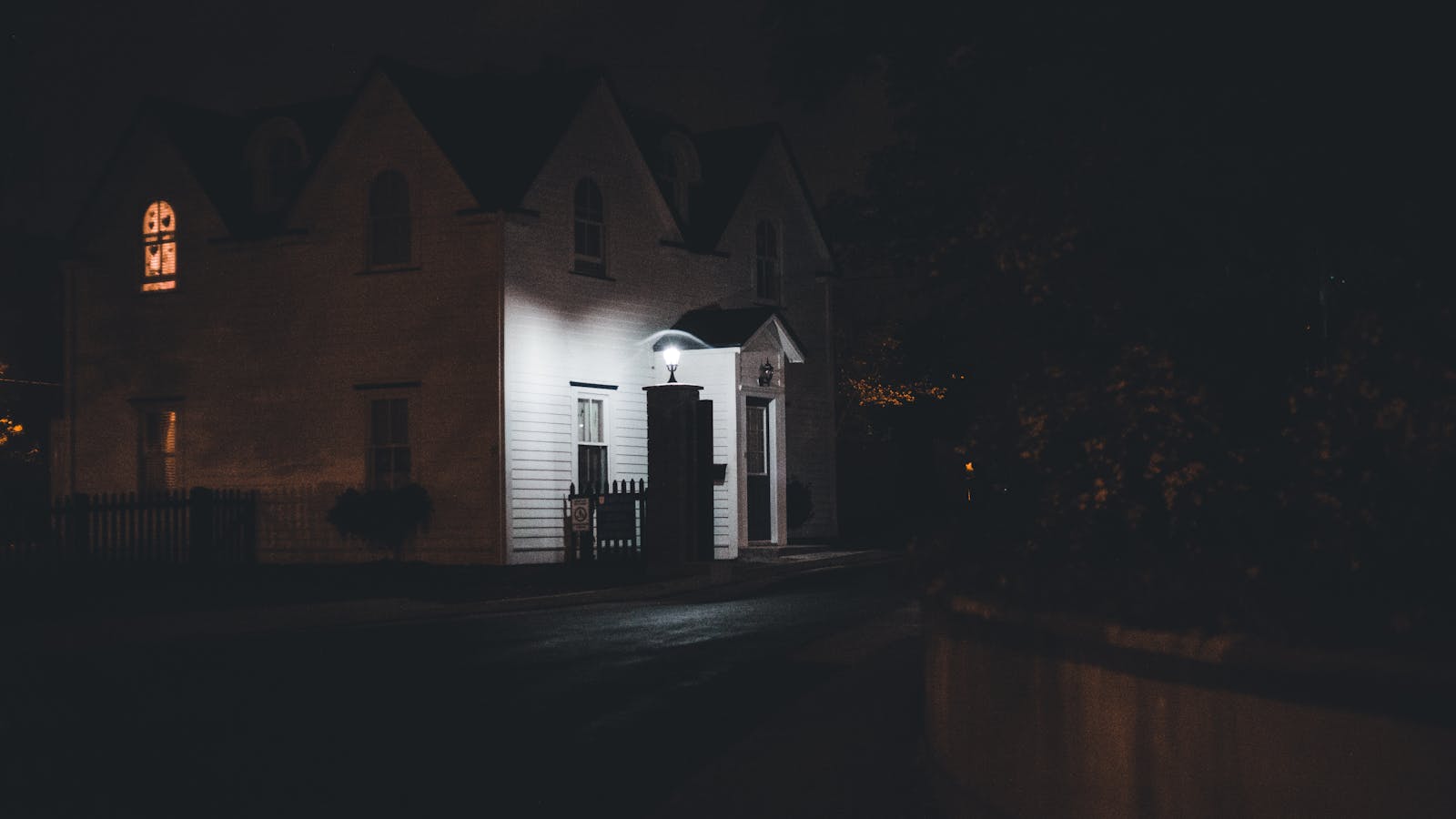
Home security is a system of ordinary actions, not a single device. A strong lock does little if a side door is routinely left open. A camera does little if an alert reaches an old phone. A monitored alarm can still create confusion if the household does not know the verification call or emergency plan.
This guide builds a home security plan in seven layers. It does not promise to prevent crime, and it does not replace advice from emergency services, a fire official, a qualified locksmith, or a licensed alarm professional. Its purpose is to help you find weak points, fix the most important ones first, and keep a safe fallback when technology fails.
At a glance, the seven layers are:
- Repair doors, windows, locks, and access hardware.
- Assign short arrival, departure, and bedtime routines.
- Improve useful sightlines and lighting without creating glare.
- Give each camera one job and a privacy boundary.
- Match alarms and monitoring to a written response plan.
- Protect accounts, devices, and the home network.
- Document what works when power, internet, cellular service, or cloud access fails.
Start with the home you have
Walk through the routes your household actually uses. Repairing one unreliable latch or updating one forgotten contact can be more useful than buying another connected device.
Begin with a 20-minute walk-through
Walk from the street to every normal entry in daylight and after dark. Include the garage-to-house door, patio doors, basement entries, accessible windows, gates, and any shared building entrance you rely on. Try each route while imagining groceries, children, pets, limited mobility, or a power outage.
Record observations without publishing a detailed map of your security setup. Look for:
- Doors, frames, locks, windows, or gates that do not close as intended
- Shrubs, stored items, or parked vehicles that block a household member’s view
- Dark walking areas where better illumination would improve safe access
- Spare keys, deliveries, access codes, or contractor access without a clear rule
- Cameras or alarms that depend entirely on Wi-Fi, cloud service, or one phone
- Smoke or carbon monoxide alarms that need testing or maintenance
- An emergency exit that a proposed security change could make harder to use
Put safety defects first. Do not add a lock, barrier, or window device that could trap someone during a fire or other emergency. Follow the product instructions and applicable rental, building, fire, homeowners association, and local rules. Ask a qualified professional when the frame, wiring, egress route, or required permit is uncertain.
Seven layers from physical access to outage fallback
1. Sound doors, windows, and access control
Start with openings the household already uses. A door should close cleanly, the latch should engage, the frame should be sound, and the lock should operate without forcing it. A window intended to lock should do so. Sliding doors and windows should use compatible hardware installed according to the manufacturer’s directions.
Avoid universal hardware prescriptions. Door and frame construction varies, and an unsuitable screw, reinforcement plate, or secondary lock can damage the assembly or interfere with required egress. A locksmith or qualified contractor can evaluate a damaged or unusual opening.
Create a small access policy:
- Decide who may hold a key, code, app invitation, or temporary credential
- Remove access when a tenant, employee, cleaner, pet sitter, or contractor no longer needs it
- Keep one safe, non-cloud way for responsible household members to enter
- Never hide a key in an obvious outdoor location or label it with the address
- Treat the door from an attached garage as an exterior entry, even when the garage door is normally closed
If you rent, ask the owner or manager before altering locks, frames, doors, or common areas. Report failed hardware in writing and keep a copy.
2. Repeatable arrival, departure, and bedtime habits
The useful routine is short enough to survive a rushed day. Assign actions rather than assuming someone else handled them.
When leaving: close and lock normal entries, secure the garage, bring in keys, and set only the alarm mode that matches people and pets still inside.
When arriving: close the garage before unloading if practical, lock the entry behind you, and investigate an unfamiliar open door, broken latch, or alarm notice from a safe location. If you suspect an intruder is present, do not enter to check. Move to safety and contact emergency services.
Before sleep: check the small set of doors and windows that matter, place a charged phone or other communication method where it is accessible, and keep exit paths clear. Household members should know where to meet outside during an emergency.
For a room-by-room action list, use the DIY home security checklist.
3. Sightlines and useful lighting
Lighting should help a resident see the path, lock, visitor, and surrounding area. It should not create glare so severe that the camera or person behind it cannot see. Aim and shield fixtures to reduce spill into neighboring homes and public areas, and follow local lighting rules.
Trim vegetation enough to restore normal visibility without creating hiding places or damaging plants. Keep ladders, tools, and heavy objects secured so they are not easy to misuse. Address numbers should be visible to responders where local guidance calls for them.
Test lighting from the actual doorway and walking path. Motion activation can be useful, but the controls should be understandable and a failed network should not prevent basic operation. A charged flashlight or battery lantern is a safer outage tool than relying on candles.
4. Cameras with a defined job and privacy boundary
A camera can notify you of activity and preserve a record. It cannot reinforce a door, guarantee recognition, or safely confront a person. Before buying or mounting one, write its job in one sentence, such as “show whether a package is at the front door” or “alert the household when someone enters the side path.”
Choose the position after considering:
- The smallest useful field of view, avoiding bedrooms and private household areas
- Neighboring property, shared hallways, sidewalks, and local recording laws
- Whether audio recording is necessary and lawful in your location
- Night lighting, backlighting, weather exposure, mounting, and power
- What is recorded locally, what is uploaded, how long it is retained, and who can view or share it
- What happens when power, internet, the app, or the vendor’s cloud is unavailable
The Federal Trade Commission recommends researching encryption and security features, securing the home router, installing updates, using a unique password, and turning on two-factor authentication when available. Grant the minimum app permissions each household member needs and review access after guests or service providers leave.
Use the home security camera selection guide to compare power, storage, privacy, and support policies without depending on a temporary product ranking.
5. Alarms and monitoring with a response plan
An alarm needs a response path. Decide which conditions create a local siren, which send an app notice, which reach a monitoring center, and who is contacted next. Test the plan according to the provider’s instructions without generating an unnecessary emergency response.
Ask a provider or installer:
- Which sensors operate during a power or internet outage, and for how long?
- Is cellular communication included, optional, or unavailable at this address?
- Who owns the equipment, and can it work if monitoring is canceled?
- Who is called first, and what occurs if no contact answers?
- What registration, permit, or false-alarm rules apply locally?
- How are smoke, carbon monoxide, medical, water, and intrusion signals handled?
Life-safety alarms require special care. Follow manufacturer instructions and local fire guidance; do not assume a general-purpose smart sensor replaces a listed smoke or carbon monoxide alarm. The U.S. Fire Administration advises regular testing and notes that hardwired smoke alarms normally have backup batteries that also require maintenance.
For a contract and system worksheet, see how to choose a DIY security system.
6. Secure accounts, devices, and the home network
Connected security equipment creates another access path that must be managed. Change default credentials, use a unique password for each important account, turn on the strongest practical multi-factor authentication, install device and app updates, and remove old users and devices.
Keep a simple inventory with the product, account owner, installation date, support contact, update method, and expected support period. This is also a good place to record whether remote access can be disabled. If a device no longer receives security updates, decide whether it can be disconnected, isolated, or replaced rather than leaving it exposed indefinitely.
Do not share camera clips, access codes, screenshots, or a detailed device map casually. A convenience group chat can become a permanent record of sensitive household information.
7. Outage and offline fallback
List every security function that depends on utility power, internet service, cellular coverage, a vendor cloud, or a working phone. Then give each important function a manual fallback.
Examples include a physical key for a responsible adult, a flashlight near the main entry, written monitoring contacts, an understood garage manual-release procedure, and a paper household check-in plan. Learn manual procedures from the manufacturer before an outage. A manually released garage door may no longer be secured in its normal way, so confirm the correct re-engagement and locking procedure for your exact opener and door.
Use the outage-readiness calculator to plan the wider household outage window, then complete the power outage home security plan for device-by-device security fallbacks.
Build a one-page home security plan
Keep the operational version brief. It can contain:
- The two or three entries checked at departure and bedtime
- The people who may receive keys, codes, alerts, and monitoring calls
- The safe action for an unexpected alarm or suspected intrusion
- The outside meeting point and emergency contact method
- The manual entry and garage procedures for an outage
- The monthly device, alarm, battery, access, and lighting check
Store the plan where authorized household members can find it, but not in a public photo or unlocked online document. Teach the plan without disclosing security details to people who do not need them.
A practical monthly check
Set a recurring reminder and keep the test short:
- Open and close normal entries; report or repair failed hardware
- Confirm lighting covers the intended path without creating dangerous glare
- Review camera framing, storage, account access, and available updates
- Test alarms and backup batteries exactly as their instructions require
- Verify monitoring contacts and household phone numbers
- Check the manual key and outage instructions without posting their location
- Remove an old app user, device, code, or temporary permission
After a move, household change, renovation, severe storm, stolen phone, or account compromise, perform the review again instead of waiting for the next month.
Start with a room-by-room review
Take the DIY home security checklist through the home in daylight and after dark. It will show whether the next job is a hardware repair, access change, outage fallback, camera decision, or alarm system comparison.
Primary sources
Keep this guide handy
Save it to Pinterest, copy the page address, or send it to someone in your household.