In this guideJump to a section
- Stop using the well water
- Keep the pump off until electrical safety is clear
- Give the local health authority a useful incident summary
- Have the well and pump inspected
- Do not invent a universal chlorine recipe
- Test through a certified laboratory
- Check connected systems before normal use
- Call the health authority with the incident summary
INFO
Before calling the health authority, record how high the floodwater reached, which well or pump parts were submerged, visible damage, nearby septic or chemical hazards, and the safe water source now in use. That incident summary helps the authority choose the inspection, testing, and return-to-use sequence.
A flooded well is not just dirty water. Floodwater can enter around the well cap, through damaged casing, along buried components, or from nearby contaminated ground. The water can look, smell, and taste normal while still containing harmful organisms or chemicals.
The safe sequence is stop use, inspect, follow a locally approved disinfection plan when appropriate, flush, test through a certified laboratory, and wait for acceptable results and local guidance.
Interactive checklist
Flooded private well recovery
0 of 6 complete. Save status appears when this checklist starts.
Stop using the well water
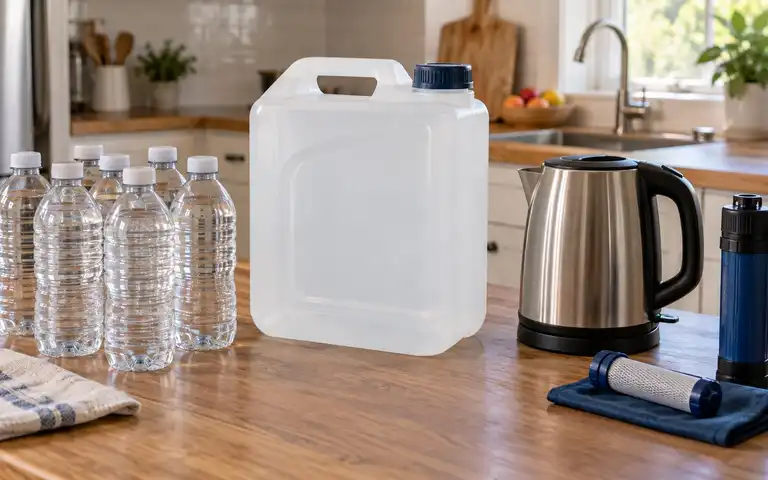
Use bottled water or another source identified as safe by local officials for drinking, cooking, brushing teeth, making ice, preparing infant formula, washing produce, and giving water to pets. Ask the local health department whether its restriction also includes bathing, dishwashing, laundry, or other uses in your incident.
Do not rely on appearance, odor, taste, a countertop filter, or a home test strip to clear the well. The EPA private-well flood guidance says not to drink or wash with water from a flooded private well until it has been properly disinfected and tested.
Fuel or chemical contamination changes the plan
If the water smells like fuel or solvent, a chemical container leaked nearby, or officials report a chemical release, do not boil, disinfect, or filter the water for household use. The CDC says these methods do not make chemically contaminated water safe. Use another source and call the local health authority.
Keep the pump off until electrical safety is clear
Do not turn on a flooded pump or touch wet wiring, controls, pressure tanks, or electrical equipment. Shut off power only if the disconnect is dry and can be reached without entering water. Otherwise, call the utility or a qualified electrician.
The CDC well-emergency guidance warns that work on a well can be hazardous. Do not enter a well pit. Ask a qualified electrician and a licensed or otherwise qualified well or pump contractor to check the electrical system and equipment required by your jurisdiction.
Give the local health authority a useful incident summary
Before calling, record what you can observe safely:
- well type, approximate age, and contractor records if available;
- whether floodwater reached the cap, casing, pit, pump, wiring, or pressure equipment;
- peak water depth and how long the area was flooded;
- visible movement, cracks, missing seals, sediment, or debris;
- nearby septic failure, livestock area, fuel tank, pesticide storage, industrial site, or spill; and
- changes in color, sediment, odor, or taste, without sampling by taste.
Ask the health department or drinking-water program:
- Which household uses must stop now?
- Who is qualified to inspect and disinfect this well type locally?
- Which contaminants should the certified laboratory test for?
- When should the sample be collected after disinfection and flushing?
- What result and follow-up testing are required before normal use resumes?
State rules can differ. For example, the Minnesota Department of Health flood-well guidance sets state-specific actions based on where floodwater reached and directs residents to licensed contractors and accredited laboratories. Use the authority for the state, tribe, territory, county, or locality where the well is located.
Have the well and pump inspected
A qualified well or pump contractor can assess:
- whether the casing, cap, vent, sanitary seal, grout, or pit allowed floodwater to enter;
- whether the pump, wiring, controls, pressure tank, or plumbing was submerged or damaged;
- whether sediment or debris entered the well;
- whether the well needs repair, cleaning, pumping, or another action before disinfection; and
- whether attached treatment equipment, water heaters, or plumbing need a separate safe restart.
Do not open, pull, enter, or repair well components without the training and equipment required for that system. A structurally damaged well may need repair or replacement before any disinfection step can work.
Do not invent a universal chlorine recipe
Disinfection is not one dose for every private well. The product concentration, casing diameter, water depth, well volume, construction, plumbing, treatment equipment, and local requirements all change the procedure. Too little disinfectant may fail; too much or an incompatible product can damage equipment, create exposure, or complicate flushing.
Use the written procedure provided or approved by the local health authority and qualified contractor. Follow the disinfectant label and all ventilation and protective-equipment instructions. Never mix chlorine products with ammonia, acids, or other cleaners.
If a local authority directs owner-performed emergency disinfection, ask it to confirm:
- the exact product and measured concentration;
- the calculated amount for this well;
- valves or equipment that must be bypassed or treated separately;
- the required contact time and ventilation precautions;
- where chlorinated flush water may be discharged without harming a septic system, surface water, plants, or animals; and
- the sampling wait time after chlorine is gone.
Test through a certified laboratory
The CDC identifies total coliform and E. coli or fecal coliform as core post-flood microbial tests, but the local authority should choose the analytes and timing for the incident. Nitrate, fuel-related compounds, pesticides, metals, or other tests may be needed when land use, a spill, a damaged septic system, or local monitoring indicates them.
Use the laboratory’s container and sampling instructions. A sample taken too early, from the wrong tap, through a treatment device, or after touching the inside of a sterile container can produce a misleading result.
Keep using the alternate safe water source until:
- inspection and any required repair are complete;
- the approved disinfection and flushing steps are complete;
- the certified laboratory reports acceptable results for the required tests; and
- the local authority’s return-to-use instructions are satisfied.
The CDC also recommends follow-up testing after the first acceptable result. Ask the local authority to write the dates that apply to your well instead of relying on a generic calendar.
Check connected systems before normal use
A flooded septic system can affect both the property and the well. Avoid unnecessary water use while the drain field is saturated, and arrange inspection when damage or backup is suspected. Ask the well contractor or equipment manufacturer how to restart softeners, filters, ultraviolet units, pressure tanks, water heaters, ice makers, and other connected equipment after the well is cleared.
For interim household supply planning, use the emergency water safety guide and water storage calculator. Stored water is a bridge, not evidence that the well is safe.
Once the flood response is closed, keep those authority-directed dates in the household maintenance record. The private-well testing calendar covers the routine annual cycle and common event triggers; this guide remains the step-by-step owner for a flooded well and its return-to-use decision.
Call the health authority with the incident summary
Call the local health authority today with the incident summary above. Ask for one written sequence naming the inspector, disinfection authority, certified laboratory, required tests, sampling date, acceptable result, and follow-up date. Keep the well out of use until that sequence is complete.