
Compare four safer ways to stay warm during a power outage, with clear carbon monoxide, fire, ventilation, and evacuation limits from public safety authorities.
Preparedness library
Guides for the decision in front of you
Browse practical planning guidance for outages, water, food, backup power, communication, and home security. Start with a topic or continue through the latest updates.
Archive page 3
Earlier guides
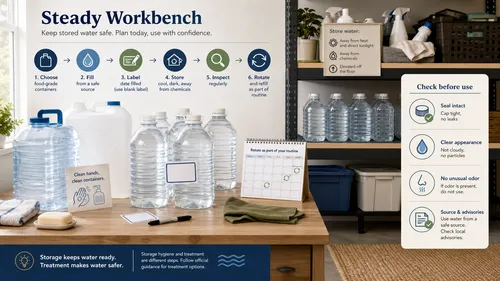
Follow current CDC steps to clean and sanitize emergency water containers, label and rotate self-filled water, avoid recontamination, and respond to advisories.
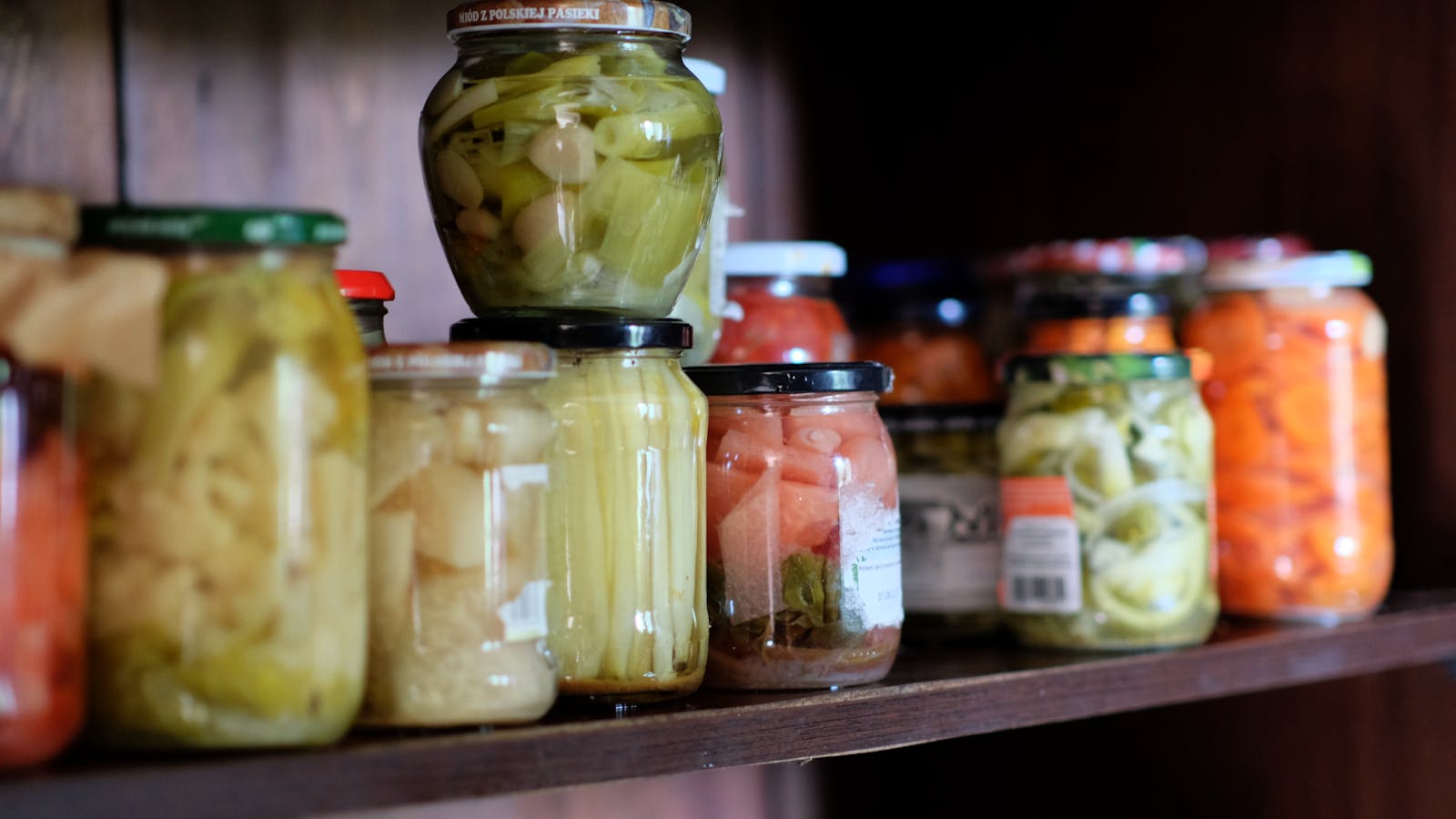
Choose safe home food preservation methods for an emergency pantry, including tested canning recipes, freezing, dehydrating, labeling, storage, and inspection.

Prepare for hurricanes with official forecasts, evacuation decisions, water and food, documents, home protection, generator safety, pets, communication, and recovery limits.

Use a portable generator more safely with CDC and CPSC guidance for outdoor placement, carbon monoxide alarms, electrical connections, weather, and fuel.
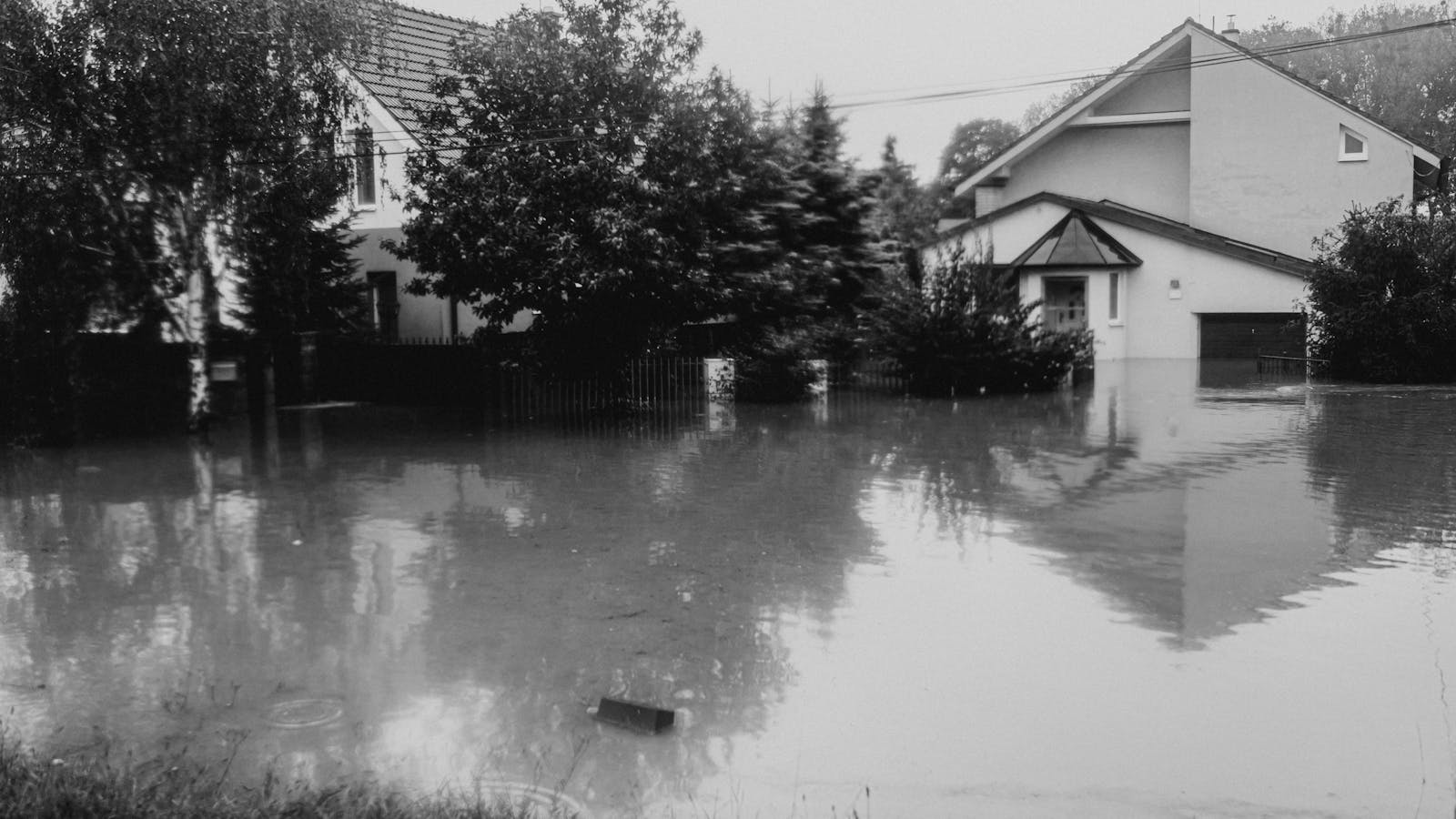
Build a realistic home resilience plan for people, water, food, communication, backup power, shelter, sanitation, maintenance, and the decision to leave.
Create a practical remote-work continuity plan for power loss, internet failure, data access, team communication, safe shutdown, and relocation.

Review household needs, local hazards, alerts, evacuation, water, food, medication, communication, backup power, documents, pets, maintenance, and practice.

Choose emergency water containers by food-contact suitability, opening, size, weight, durability, placement, and dispensing needs using current CDC guidance.

Prioritize alarms, electrical and heating safety, water control, drainage, roof and tree risks, insulation, backup power planning, documentation, and qualified professional work.

Build an apartment emergency plan around safe storage, no-cook food, water, alerts, mobility, building rules, neighbor check-ins, and a realistic evacuation route.

Prepare for winter storms with official alerts, safe heat, food and water, vehicle and travel decisions, communication, power planning, and recovery checks.

Keep doors, lighting, alarms, generators, communication, and neighbor check-ins working during an outage without fear-based claims or unsafe confrontation.
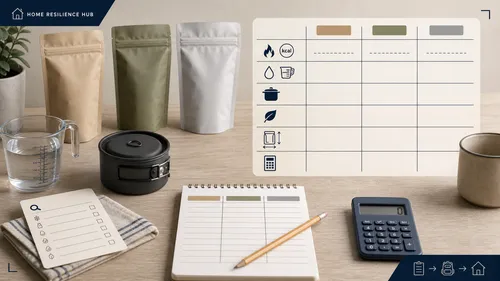
Compare freeze-dried emergency meals by usable portions, water and fuel demand, allergens, sodium, package dates, storage instructions, and household fit.
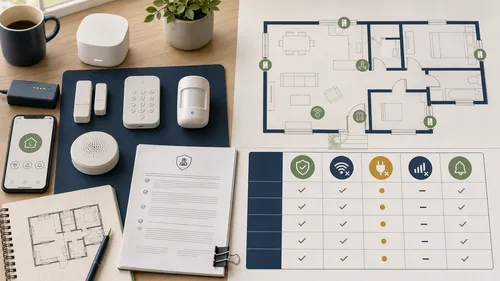
Compare DIY alarm systems by sensors, monitoring, ownership, contracts, privacy, accessibility, and power and internet outage behavior.
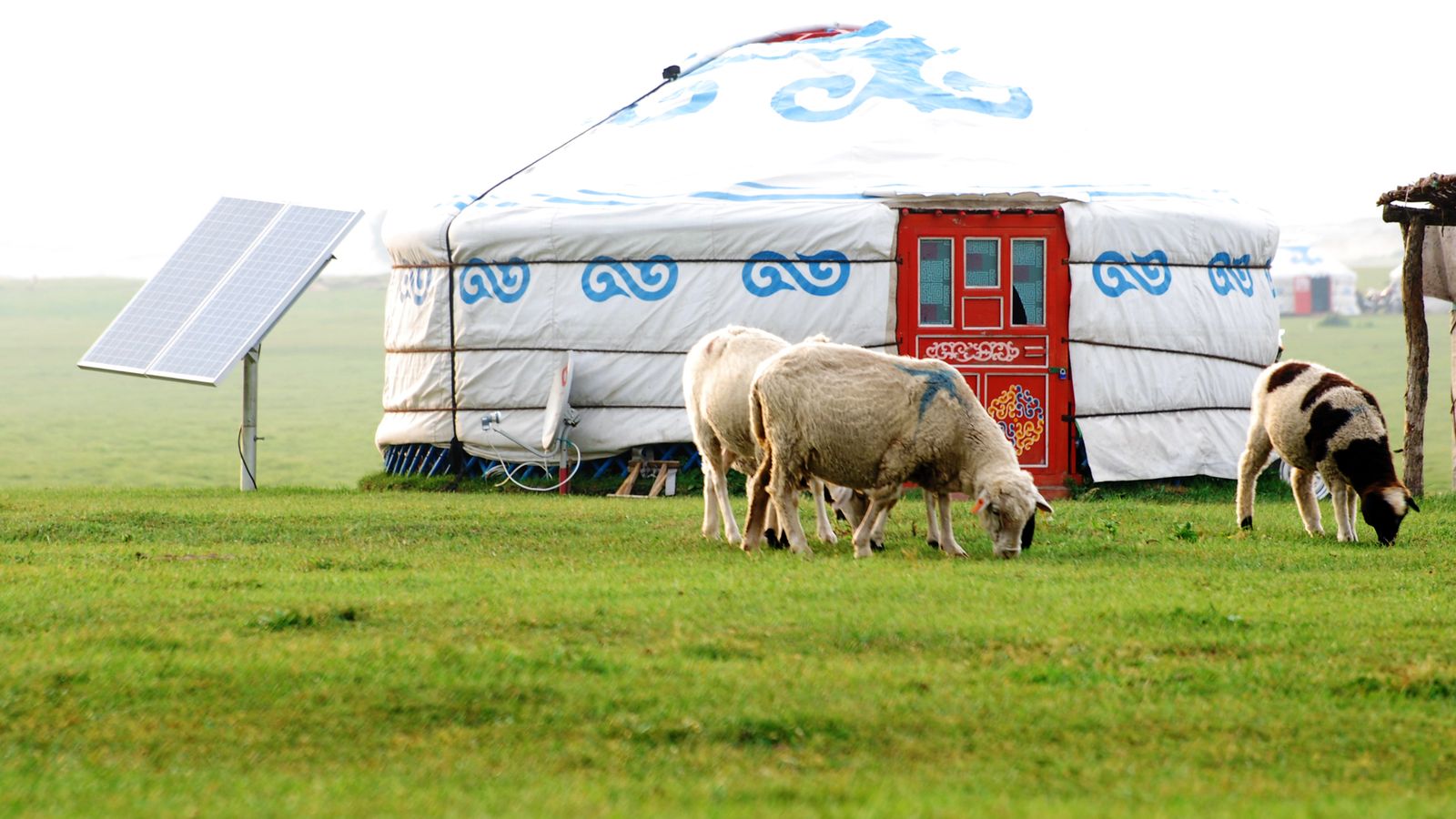
Size portable camping solar from measured daily watt-hours, battery capacity, charging-input limits, seasonal sun, shade, weather, and a no-solar fallback.
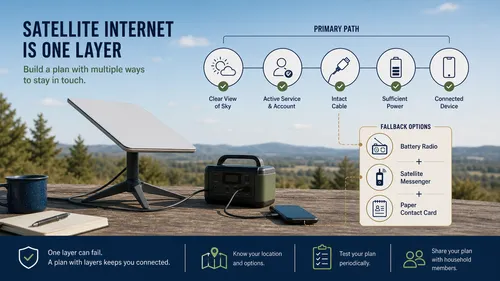
Decide whether portable satellite internet fits an outage or evacuation plan by checking coverage, sky view, current service terms, power, setup, and lower-power alternatives.

Spread winter readiness across a manageable calendar for home service, supplies, alerts, vehicles, outage planning, mid-season checks, and spring review.

Use spring to refresh alerts, evacuation plans, backup power, drainage, wildfire readiness, tornado sheltering, hurricane supplies, and documents.

Understand why germ-focused emergency treatment does not solve PFAS, how current EPA rules affect planning, and when to use stored water or a certified home filter.