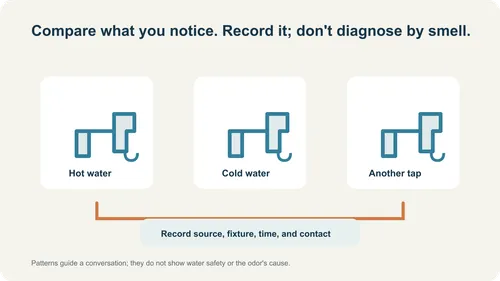
Record whether a sulfur-like odor occurs in hot or cold water, one fixture or several, then ask your utility or health department what to check.
Preparedness library
Complete guide library
Browse practical planning guidance for outages, water, food, backup power, communication, and home safety. Start with a topic or browse by publication date.
Archive page 5
Earlier published guides
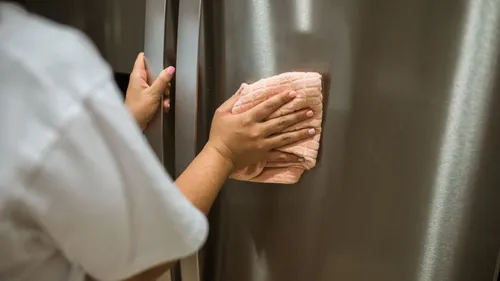
Discard questionable food first, then clean shelves, seals, and the cabinet with a deliberate sequence for persistent refrigerator odors.
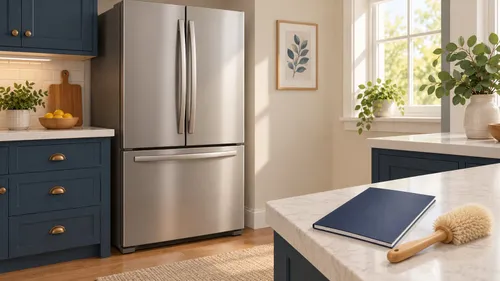
Find out whether your refrigerator's condenser is meant for owner cleaning, where the exact manual allows access, and when to leave it alone or call service.

Cooking oil does not have one dependable opened-bottle lifetime. Compare the oil's label, type, size, opening date, and storage spot before choosing what to use next.
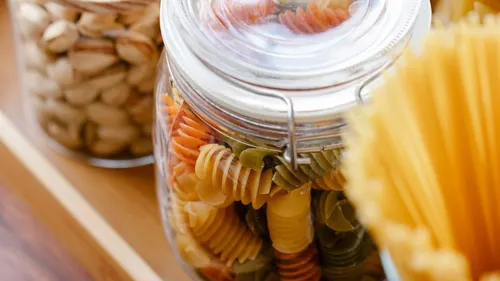
An opened pasta box does not tell the whole story. Use its type, package condition, and storage place to decide whether it belongs in the pantry or needs different handling.

Dry rice does not have one dependable lifespan. Check whether it is white or whole grain, follow its package date, and account for how the opened rice was stored.
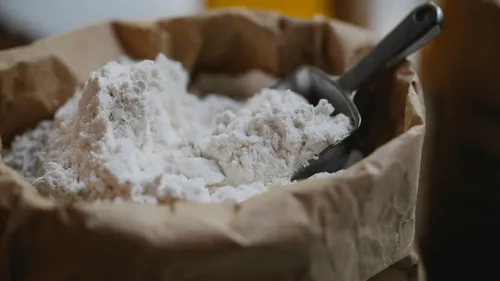
Choose where to keep opened flour by checking its type, package directions, and how soon you plan to use it. White and whole-grain flour do not keep their best quality in the same way.
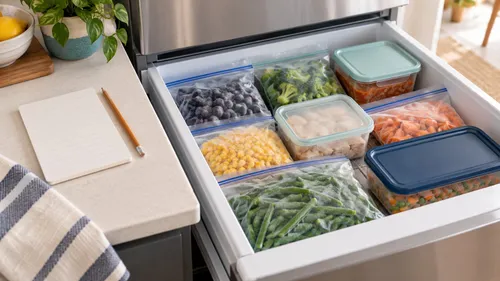
A dry patch on frozen food can look alarming. Learn what freezer burn says about quality, what you can trim, and when a separate temperature-history check matters.

Use the two-hour rule, the one-hour hot-weather limit, and temperature checks to manage food on a buffet without guessing.

Cool cooked food promptly, label the date, and use refrigerated leftovers within the USDA window—or freeze portions you will not eat in time.
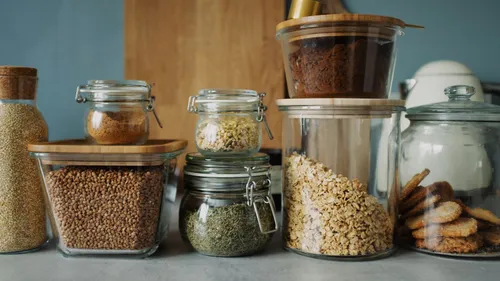
Inspect dry foods and nearby stored goods, remove infested packages, vacuum cabinet seams, and prevent a second infestation without spraying food shelves.
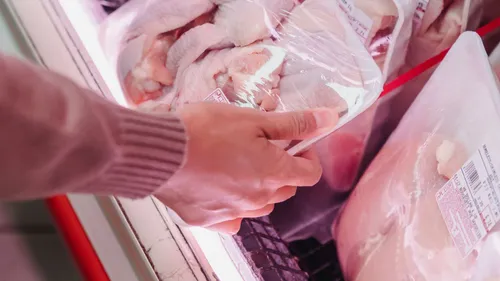
Choose refrigerator, cold-water, or microwave thawing based on the time you have, and know which methods require cooking right away.
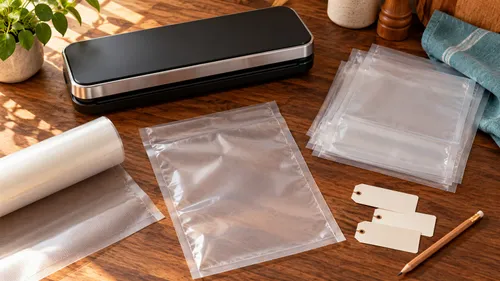
Vacuum sealing can protect food quality during freezing, but the seal does not make perishable food shelf-stable. Route each package to the storage it still needs.

Identify the blanket and its instructions, check current recall notices, and inspect visible damage before plugging it in.

Record what is flickering or without power, check whether the issue is limited to your home, and contact the utility or a qualified electrician without opening electrical equipment.
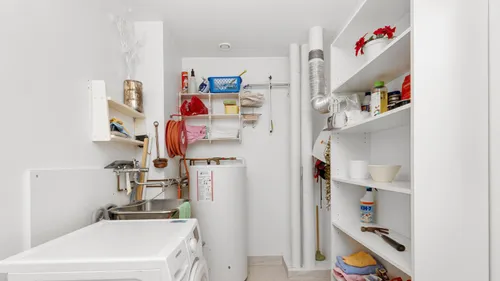
See water around a water heater? Use a safety-first check to decide whether to leave, who to contact, and what to report without testing or repairing the appliance.
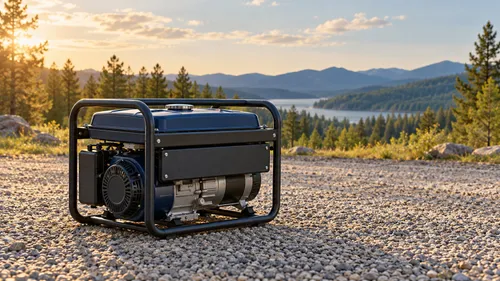
If your portable generator can use both fuels, compare its rated output and fuel requirements by mode before deciding which supply fits your household.
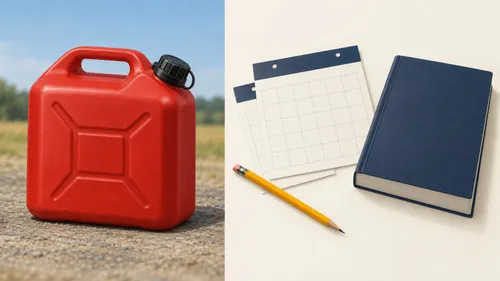
The age of reserve gasoline is only one part of the decision. Separate fuel in an approved container from fuel in an engine, then follow the exact manual and local fire rules.

Use a microwave's electrical input rating—not its lower cooking-output rating—to screen backup inverter power and estimate energy for a planned run.
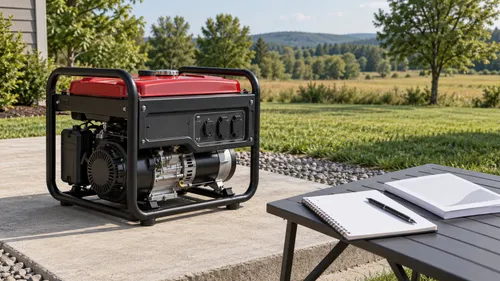
Build a maintenance reminder from the generator's own schedule, using both elapsed time and operating hours instead of applying one interval to every model.