Gas vs. Propane Generators: Fuel, Output, and Storage Tradeoffs
If your portable generator can use both fuels, compare its rated output and fuel requirements by mode before deciding which supply fits your household.
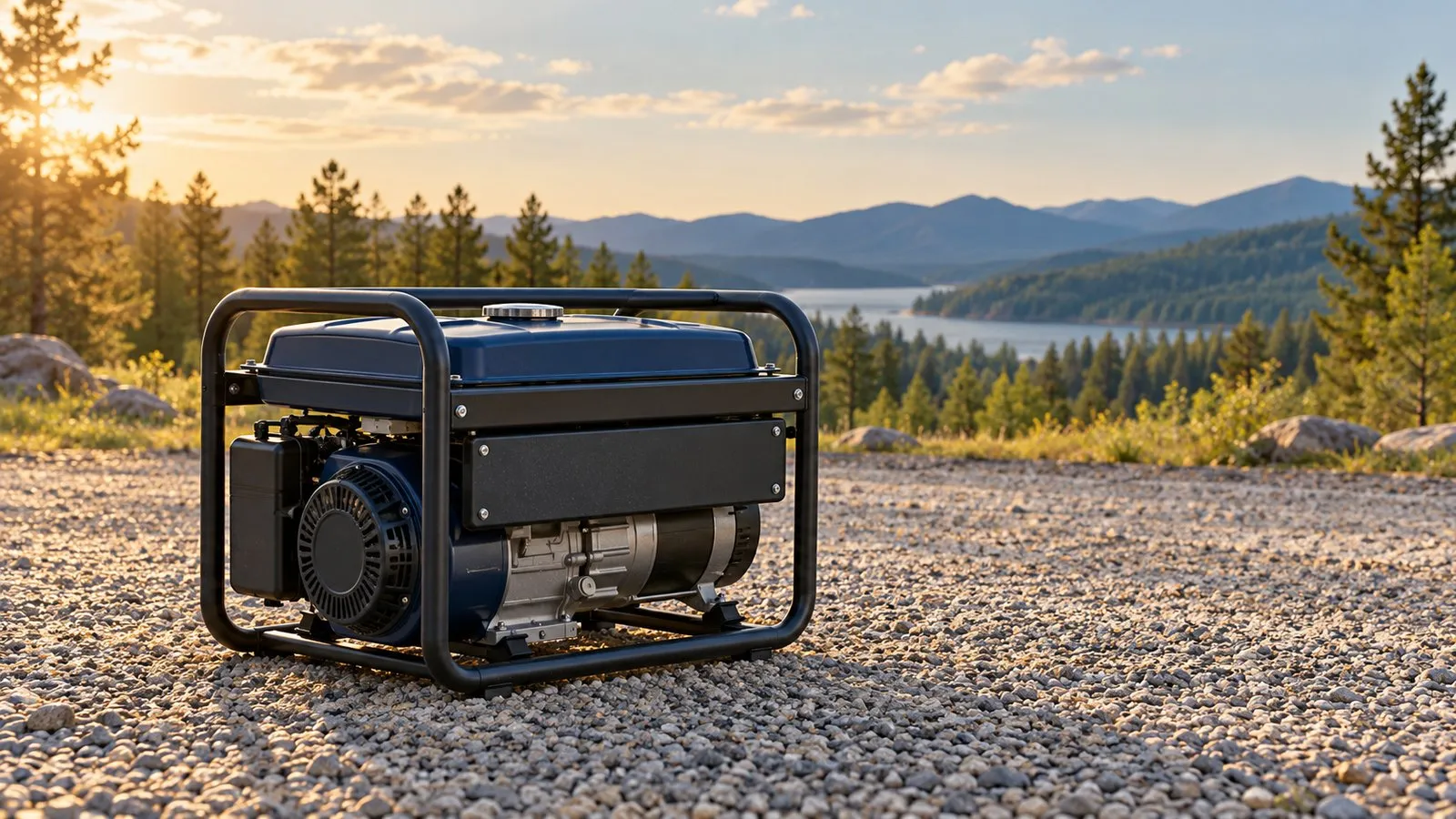
A generator label can say “dual fuel” while the useful output still changes with the fuel selected. Before an outage, compare the gasoline and propane figures for the exact model you are considering; then check whether each mode covers the same appliances you plan to run.
Here “gas” means gasoline, not natural gas. Propane is also called LPG in the example manual. A dual-fuel label identifies the supported fuels; it does not mean the engine can use every fuel.
Gas vs. propane generator: start with one model
The WGen7500DF manual lists different output for its two supported fuels. Its cover calls the figures running and peak watts, and the specifications section repeats the same ratings by fuel. Westinghouse’s WGen7500DF manual lists:
| Fuel listed in the manual | Running watts | Peak watts |
|---|---|---|
| Gasoline | 7,500 W | 9,500 W |
| LPG / propane | 6,750 W | 8,550 W |
These numbers describe one generator, not a typical difference between gasoline and propane. The manual’s generator-capacity section says to consider both the continuous watts of the items you will run together and the surge watts needed to start motor-driven equipment. A household should check both against the rating for the fuel mode it expects to use. Peak watts are not a replacement for the running-watt figure when planning a steady load.
For an illustrative 7,000 W continuous load, the listed gasoline rating is 500 W above that load, while the propane rating is 250 W below it. That simple comparison can change which mode is even a candidate. It does not approve the gasoline setup: starting demand, operating conditions, available outlets, the connection method, and the exact manual still have to be checked. The 7,000 W load is an example, not a measured household or tested result.
A fuel label does not answer every compatibility question. The WGen7500DF manual lists gasoline and LPG/propane for this model; it does not document a natural-gas connection. Do not infer natural-gas capability from “dual fuel,” or treat natural gas, gasoline, and propane as interchangeable. Use only fuels and supply arrangements the exact generator manual names.
Compare the decision, not a slogan
The right mode depends on the model and your household’s fuel access. Use the table to identify what to verify rather than assuming one fuel is always easier, cheaper, safer, or longer-lasting.
| Decision point | What to compare on the same generator | What the comparison cannot establish |
|---|---|---|
| Output | Running and starting requirements versus the rating for each fuel mode | Whether another model has the same output difference |
| Runtime | Manufacturer’s stated load, fuel amount, fuel mode, and test conditions | A fair comparison when one figure uses a different tank or cylinder quantity, load, or missing conditions |
| Fuel compatibility | The exact fuels and supply equipment listed in the owner’s manual | Approval to convert or modify a generator for another fuel |
| Household supply | Which permitted fuel source you can obtain and maintain under local rules | A universal storage amount or a safe location for your property |
| Service and storage | The exact manual’s fuel, maintenance, and seasonal-storage directions | That one brand’s schedule applies to another engine |
A runtime figure is useful only with its conditions. Do not compare an “up to” gasoline runtime with a propane runtime if the manufacturer used different fuel quantities or loads, or did not publish comparable test conditions. The portable-generator comparison guide explains how to keep model comparisons on the same basis.
Check how the fuel would actually reach you
The WGen7500DF manual describes gasoline in its fuel tank and LPG supplied from a compatible external cylinder. Compare the practical work that each arrangement requires before relying on it: permitted storage, transportation, a reachable supplier, the maker’s supply-equipment requirements, and who can handle it safely. This comparison gives no filling or connection instructions.
Ask a gasoline retailer and a propane supplier what service they offer during a local outage, rather than assuming either source will be open. A household with no permitted reserve location may need a different backup plan even if the generator’s output looks suitable. Keep those supply answers alongside the watt ratings; fuel availability is part of whether the plan works.
Compare your exact model
List the appliances you would operate at the same time. Use their labels or manufacturer information for running watts and starting demand; the WGen7500DF manual cautions that actual appliance ratings should be verified. If a motor’s starting requirement is unknown, mark it unknown and ask the appliance or generator maker rather than treating the running watts as the full requirement.
Use this record for one specific model and fuel mode at a time. Copy ratings from the matching manual revision. The rows are prompts, not a sizing or wiring approval.
| Record | Gasoline mode | LPG / propane mode |
|---|---|---|
| Generator brand, full model, and manual revision | ||
| Fuel explicitly approved by that manual | ||
| Rated / running watts from that manual | ||
| Peak or surge watts from that manual | ||
| Planned appliances and their combined running demand | ||
| Largest motor starting demand or “unknown” | ||
| Runtime source, fuel quantity, load, and test conditions | ||
| Storage or maintenance instruction to check in the manual |
If the manual does not publish runtime at the load you need, leave that comparison blank. Do not scale an “up to” number into a promise about an outage. The fuel-use rates from one model also cannot establish whether your home wiring or connection method is suitable.
Let safe setup and fuel storage decide what is feasible
A fuel choice is only one part of the plan. Follow the Generator Safety Guide for outdoor operation and approved connections. For gasoline reserves, use the exact engine instructions and local fire rules; the gasoline storage planning record helps capture those model-specific questions. The CPSC’s fuel-container guidance is general safety advice, not a local allowance for how much fuel your household may keep.
A useful comparison may end with “not enough evidence yet.” If a fuel rating, starting load, runtime condition, container rule, or connection instruction is missing, write down the exact question and take it to the manufacturer, local fire authority, or a qualified electrician who handles the relevant decision.