Microwave Wattage for Backup Power: Input Watts vs Cooking Output
Use a microwave's electrical input rating—not its lower cooking-output rating—to screen backup inverter power and estimate energy for a planned run.
In this guideJump to a section
Microwave labels may show two wattage figures: cooking output and electrical input. Cooking output describes energy delivered to food. For an inverter or generator power check, use the electrical input specified for the exact model. The output number can be substantially lower.
Find the electrical input rating
Check the appliance nameplate and owner’s manual for input watts, maximum input, and voltage. If the label lists only amps and volts, do not assume that multiplying them gives the exact real-world power draw for every operating mode; ask the manufacturer or use a suitable meter only if you know how to measure the appliance safely. Do not rely on a product category’s typical wattage.
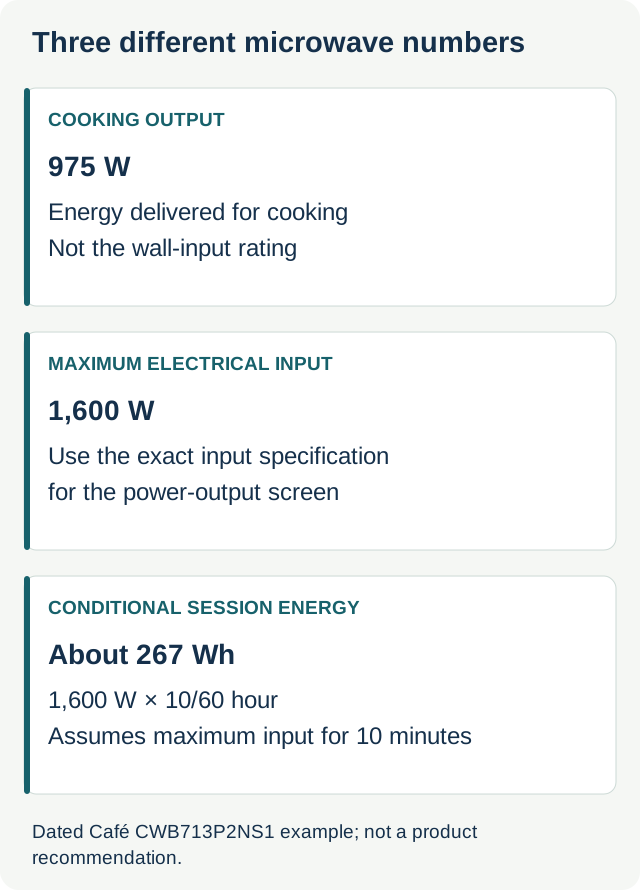
One model-specific example: GE Appliances’ 2019 Café catalog lists 975 W microwave output and 1,600 W maximum electrical input at 120 V for its CWB713P2NS1 built-in model. This is a dated specification example; the manufacturer now lists the model as discontinued. Those are different figures for that exact appliance. A built-in unit should remain installed as designed; this example does not recommend unplugging or relocating it.
Keep the three figures in separate boxes
| Figure | Example or source | Use in a backup plan |
|---|---|---|
| Cooking output | 975 W for the catalog example above | Recipe/cooking performance; do not substitute it for wall input |
| Maximum electrical input | 1,600 W for that same example | Screen against the source’s continuous output and exact equipment instructions |
| Energy for a cooking session | Measured Wh, or a clearly labelled watts × time estimate | Plan stored energy after the power and connection checks pass |
A hypothetical source rated 1,200 W continuous fails the conservative nameplate screen for that 1,600 W input example even if a large battery is attached. Conversely, an inverter rated above the input value still needs the documented voltage, waveform, connection, operating-mode, and startup checks. These numbers illustrate a screening failure; they do not test a particular product combination.
Check output and energy separately
First compare the input rating with the backup source’s continuous AC output and any documented surge or motor-start limit. Also confirm voltage and manufacturer-approved connection. A source that has enough stored watt-hours can still be unable to supply the microwave’s instantaneous power. Never backfeed a household circuit or alter fixed wiring to power an appliance.
For a rough energy estimate, watts multiplied by hours give watt-hours. If that 1,600 W model drew its maximum input continuously for 10 minutes, the calculation would be 1,600 × (10/60), or about 267 Wh. That is a conditional estimate, not a measured microwave cycle: actual input varies with settings and operation. If you have measured watt-hours for a real use period, prefer that measurement when planning energy.
Use the battery runtime guide to separate power limits from stored energy, or enter a known load in the runtime calculator. Neither tool determines whether an individual inverter and microwave combination is approved or will start correctly; check both manufacturers’ documentation.
Before the next outage, record model, input W, voltage, intended cooking mode, minutes of use, and source of each figure. Add a measured session Wh only if the appliance and an appropriately rated meter can be used as their manufacturers direct. A built-in microwave is a reason to ask the installer about the home’s approved backup arrangement, not to improvise a cord connection.