In this guideJump to a section
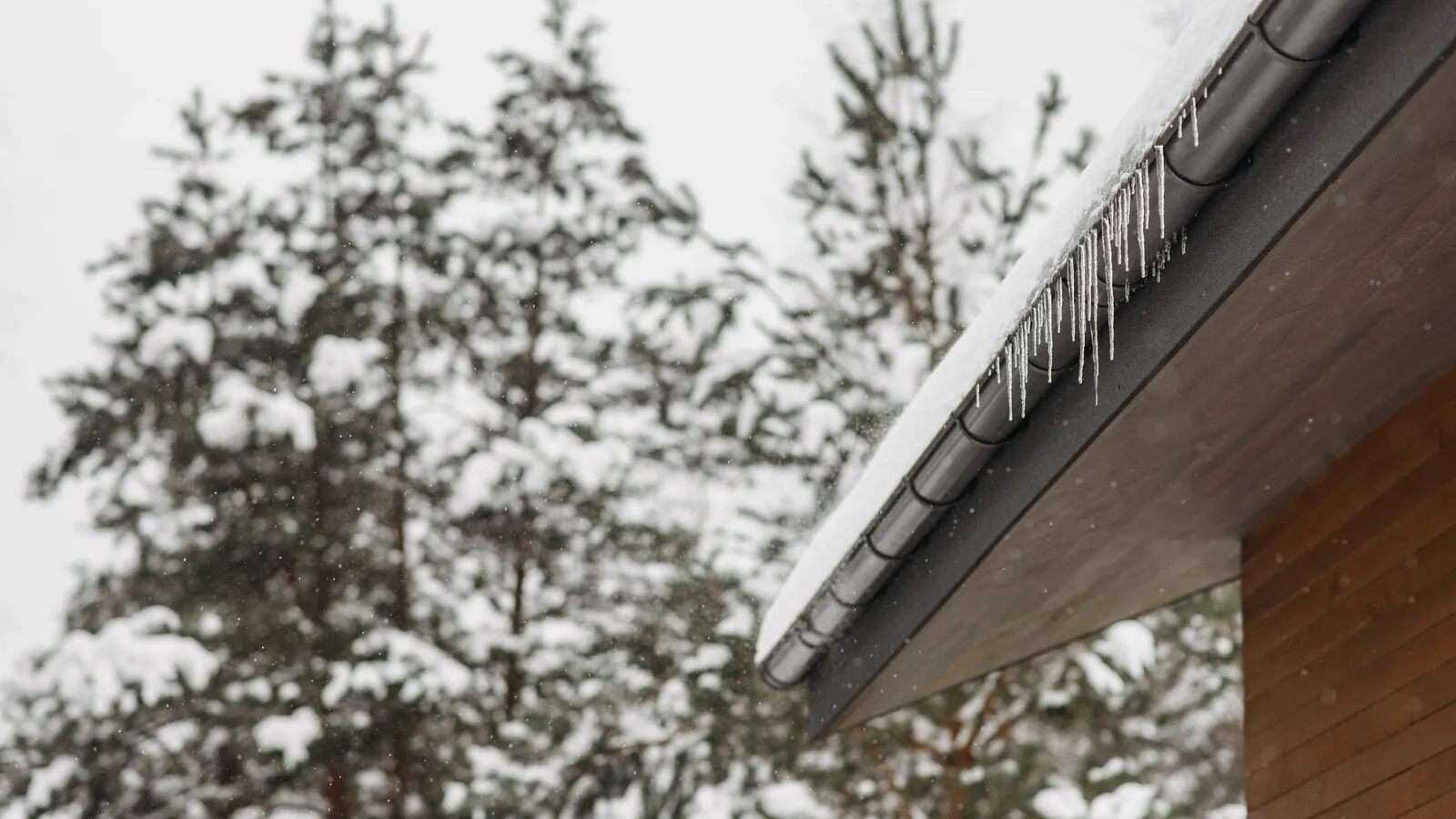
An icicle is easy to notice from the driveway. It is not enough to tell whether water is backing up under the roof, and it is not a reason to climb up and investigate. If you also see dampness indoors after snow begins to melt, record where and when it appears, then give the observations to the property manager or a qualified roofing or building professional.
An ice dam can form when snow melts on a warmer part of the roof, runs toward a colder edge and refreezes. The growing ice can hold later meltwater behind it, where water may enter openings in the roof covering. The exact roof conditions are not visible from an icicle alone. University of Minnesota Extension and the DOE Building America Solution Center describe this melt-and-refreeze path; both make clear that roof and attic conditions matter.
What you can observe without approaching the roof
Stay on stable, cleared ground. Do not stand beneath large icicles or an overhang, use a ladder, enter an attic to chase a leak, or work from below the roof. UMN Extension warns winter roof work and even work from below can injure a person or damage the home and recommends professional work.
| Safe observation | What to write down | What it cannot tell you |
|---|---|---|
| Roof-edge ice or icicles visible from ground | Date, time, side of building, approximate visible area | Whether an ice dam is present beneath snow or whether the roof is damaged |
| Snow followed by a thaw or refreeze | Recent weather sequence from an official local source, with dates | The temperature or condition of the roof deck itself |
| New indoor dampness or water staining seen from a safe room | Room, ceiling/wall location, when first noticed, whether it is changing | The source of the water or whether the roof structure is sound |
| Dripping or water entering the building | Where it is visible and when; whether water is close to electrical equipment | Whether it is safe to enter, touch equipment, or repair the area |
Icicles can form for more than one reason and may be present without confirming an ice dam. Likewise, an indoor stain does not by itself identify the roof as the source. Use these notes to explain what you observed, not to diagnose the building.
Know the structural stop signs
Most roof-edge ice is not enough to determine whether a structure is overloaded. FEMA’s snow-load guidance describes a different, urgent situation: visible signs of structural overstress during a snow event. It lists signs such as a sagging ceiling or roof member, popping or cracking sounds, windows or doors suddenly sticking, and a severe roof leak. If one of these signs appears while snow is accumulating, leave the building promptly and contact local building authorities and a qualified structural professional. Do not re-enter until the appropriate authority or professional says it is safe.
Do not use a snow-depth, icicle-length, or stain-size threshold from another building to decide whether yours is safe. Roof design, snow distribution, building condition, and local weather all affect the assessment. FEMA’s Snow Load Safety Guidance addresses structural warning signs; it does not make every ice dam a collapse warning.
If water is near outlets, wiring, appliances, or other electrical equipment, stay away from the water and do not touch wet equipment or try to reach a panel through standing water. CDC says to use a qualified electrician when the electrical system needs to be made safe and to have wet electrical equipment inspected before power is restored. Contact local emergency services if there is immediate danger. CDC electrical-hazard guidance has additional limits for wet circuits and equipment.
Roof observation record
Use this record from a safe place. If you rent or live in a managed building, report the issue through the property manager’s emergency process. If you see structural distress or water near electrical equipment, follow the stop guidance above instead of completing the form.
| Record | Notes |
|---|---|
| Date and time first noticed | |
| Building side or room location | |
| Roof-edge ice visible from safe ground | |
| Snow, thaw or refreeze sequence and source checked | |
| Indoor dampness or dripping location, if safely visible | |
| Is water close to electrical equipment? If yes, stay away and contact qualified help. | |
| Building manager, roofer, weatherization or structural professional contacted | |
| Question that needs an expert answer | |
| Next safe check-in or response time |
Ask the professional who assesses the home whether the issue involves roof drainage, heat escaping into the attic, insulation, air sealing, roof materials, or another source. DOE’s guidance describes roof/attic assemblies rather than a single universal fix; a qualified person can decide what applies to this building. Do not try to remove ice or alter ventilation, insulation, wiring, or roof components based on this record.
For the next winter-maintenance task, use the frozen-pipe and winterizing guide to review vulnerable plumbing and the water shutoff.