In this guideJump to a section
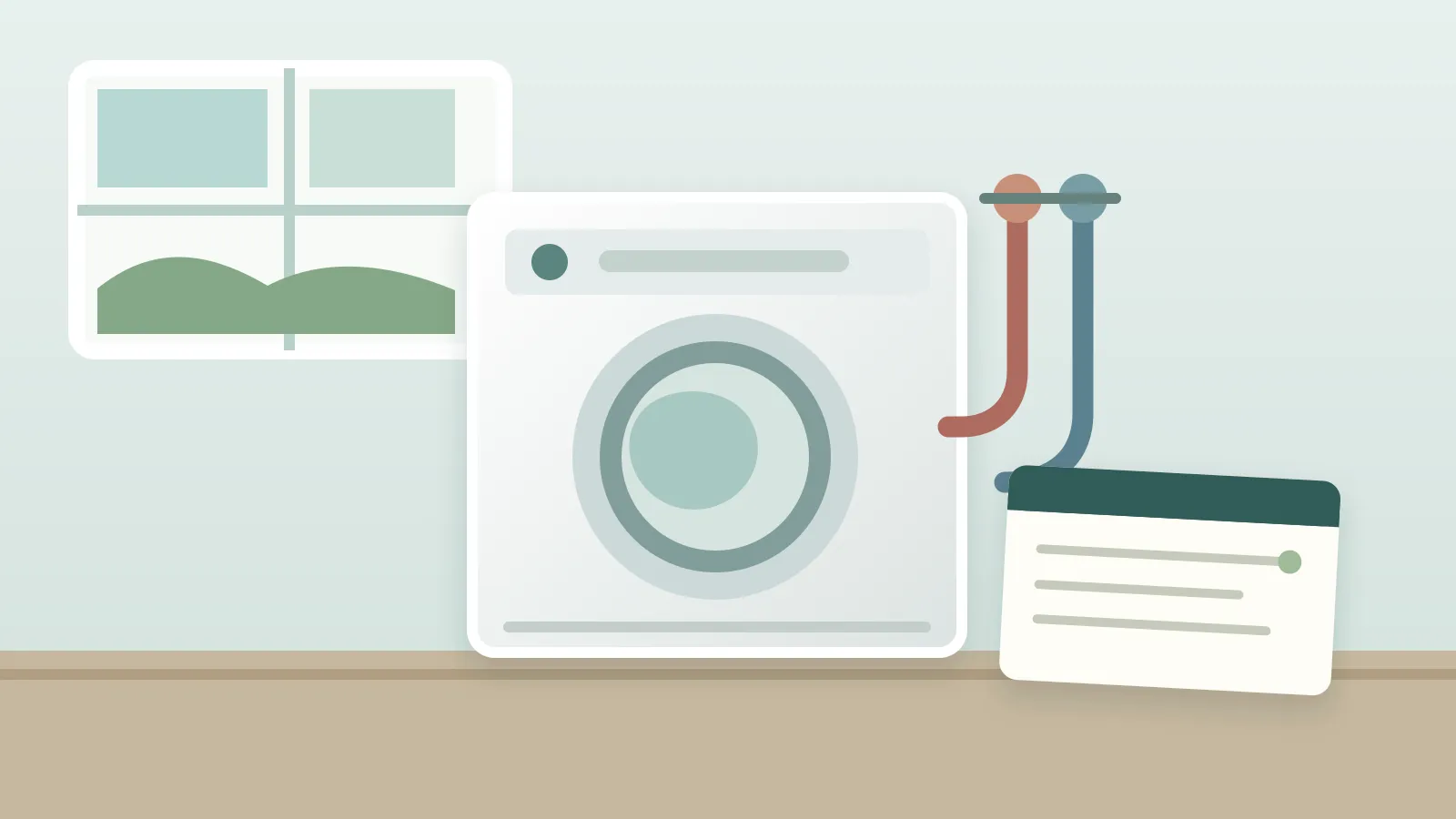
A washer is often tucked into a narrow laundry alcove, so the hot and cold supply hoses may not be easy to see. If you cannot inspect them without pulling the appliance out, leave them alone and record that access is limited. A useful record can still capture the model, the manual’s advice, and whether the installation date is known.
This page covers the water-inlet hoses that feed the washer. The drain hose carries used water away and is a different part. The separate water-leak sensor guide explains where to place and test a sensor; it does not establish the age or condition of a supply hose.
Start with the washer’s exact instructions
Find the appliance brand and model from paperwork or a label that is already visible without moving the washer or removing a panel. Open the matching owner or installation manual and look for its inlet-hose maintenance and replacement advice. Save the manual URL and the date you checked it with your household records.
Some manufacturers give an interval. Whirlpool recommends replacing its washer inlet hoses after five years of use and says to inspect them periodically for bulges, kinks, cuts, wear, and leaks. GE gives a five-year recommendation for the appliance family covered by its support page and also lists visible warning signs. Those are the manufacturers’ recommendations for their guidance—not proof that every hose should be replaced at the same time or that a hose is safe until then.
If the hose type, age, model, or guidance is unknown, write unknown. Do not infer age from color, braid, or appearance. A visible inspection cannot reveal internal deterioration or establish a hose’s remaining life.
Record only what is safely visible
Use a normal, dry position in the room. Do not pull the washer forward, reach behind it, touch a wet area, or move stored items if doing so would bring you close to a connection or electrical equipment. You can mark the hoses not safely visible and use the manufacturer’s authorized service channel.
| Observation | What to note |
|---|---|
| Appliance | Brand/model from accessible paperwork or visible label; manual URL |
| Supply hoses | Hot/cold markings or color if plainly visible; material/brand only if readable without reaching |
| Installation history | Known installed/replaced date and who recorded it; otherwise unknown |
| Visible condition | Dry and apparently intact, or visible bulge, cut, kink, wear, corrosion, leak, or strain |
| Access | Visible from a dry standing position, partly hidden, or not safely visible |
| Manual guidance | Exact interval or condition advice, page/link, date checked |
| Next decision | Continue normal recordkeeping, ask manufacturer/service about timing, or arrange prompt service |
Do not treat “looks fine” as an inspection certificate. It means only that no issue was apparent from that safe viewpoint at that time.
When to stop and get help
A visible leak, bulge, cut, corrosion, damaged fitting, or hose under strain deserves prompt attention. Do not touch or tighten a wet connection. If water is near an outlet, cord, appliance wiring, or other electrical equipment, stay out of the wet area; the CDC advises keeping clear of electrical hazards in water. Contact the property manager, appliance manufacturer, or qualified plumbing/appliance service as appropriate. In a rental or shared laundry room, report the location and visible condition to the responsible manager rather than attempting access.
A recurring sensor alert can help locate water, but it cannot establish why a hose leaked or whether another hose is sound. Keep the sensor-test record separate from the hose’s make, model, and service history.
Washer-hose record
Copy one row per washer. Attach the exact manual or save its link. For an inaccessible hose, not safely visible is a complete and useful result.
| Record | Entry |
|---|---|
| Washer brand/model | |
| Manual URL and date checked | |
| Inlet hose details visible without reaching | |
| Known installed/replaced date and source | Unknown unless documented |
| Visible condition and date observed | |
| Exact manual/hose replacement advice | Not found unless documented |
| Access limitation or concern reported to | |
| Next action/date |
The next action is to match your model to its manual and record the recommendation. If the hose cannot be seen safely, ask the manufacturer or service provider how to arrange an authorized inspection rather than moving the appliance yourself.