Mold After a Water Leak: Drying, Cleanup, and When to Get Help
After a small clean-water plumbing leak, record what got wet, dry promptly when safe, and distinguish a small mold cleanup from damage that needs professional help.
A supply hose leaks under a sink while the household is away. Once the water is stopped, the next useful step is to record where it went: tile, cabinet base, drywall, insulation, or material you cannot see. That record helps a plumber, landlord, insurer, or restoration professional respond to the actual damage rather than a guess.
This guide is for a clean-water plumbing leak that is not near an electrical hazard and is not flooding the home. It does not cover sewage, storm or floodwater, or major structural damage. For natural-disaster re-entry and contaminated water, use the separate returning-home-after-flood checklist.
First, make the area safe and stop the source
Do not step into standing water if electrical equipment, outlets, cords, or the electrical panel could be wet. Keep away and contact emergency services, the utility, or a qualified electrician as appropriate. If the water is spreading, the leak is beyond an ordinary fixture or hose, or you cannot safely reach a shutoff, call the building manager or a plumber. Do not attempt a repair just to start the drying clock.
If the source is a small clean-water plumbing leak and the household can safely stop it using a known valve, do so and document the time. Keep people away from the wet area while water remains. Photograph the source and affected room before cleanup when safe, including the edge of the wet area and any cabinets or floor coverings that are affected.
EPA says the key to mold control is moisture control and recommends drying water-damaged areas and items within 24–48 hours to help prevent growth. See EPA’s mold guidance. That is a prevention target, not a guarantee that mold cannot appear or that every wall is dry. If more than a day has passed, focus on finding the full extent of the water and getting the right help rather than treating the clock as a cutoff. Once the leak and affected materials are addressed, the room humidity and dehumidifier sizing guide can help estimate a portable unit for persistent room humidity; it cannot dry hidden materials or replace leak repair.
Decide what is within a simple cleanup
The answer depends on what got wet, not only the size of the puddle. EPA’s material table for clean-water damage gives different handling examples for surfaces, carpet, ceiling tiles, and insulation. The table is old and not a substitute for a building assessment, but it underscores why “wipe it up” is not enough when porous material or hidden spaces are involved.
| What got wet | What to do next |
|---|---|
| Small amount on a hard, nonporous surface; source stopped; no electrical or structural issue | Photograph and record it, then follow EPA and product-label cleanup guidance while ensuring the area and affected items dry. |
| Carpet, padding, cabinet base, drywall, ceiling tile, or insulation | Record the material and how far the water reached. Check EPA’s material-specific guidance and contact a qualified water-damage professional if you cannot dry it promptly or see hidden/continuing moisture. |
| Water is inside a wall, ceiling, floor assembly, or under fixed cabinets | Do not infer that the cavity is dry from a dry surface. Ask a qualified professional or building manager to assess it. |
| Visible mold covers more than about 10 square feet, there was extensive water damage, or the source is unknown | EPA advises consulting its remediation guidance and a professional with mold-cleanup experience. |
| Water may include sewage, floodwater, chemicals, or another contaminant | This is outside the clean-water scope. Keep away and follow local public-health, utility, and qualified cleanup instructions. |
EPA says smaller visible mold areas can often be handled by a household, while extensive damage or an area greater than about 10 square feet calls for consultation with EPA remediation guidance. Treat that threshold as a general starting point, not proof that a smaller area is safe for every person or building. Hidden growth, ongoing leaks, porous materials, and the occupant’s health can change the decision.
If mold is already visible
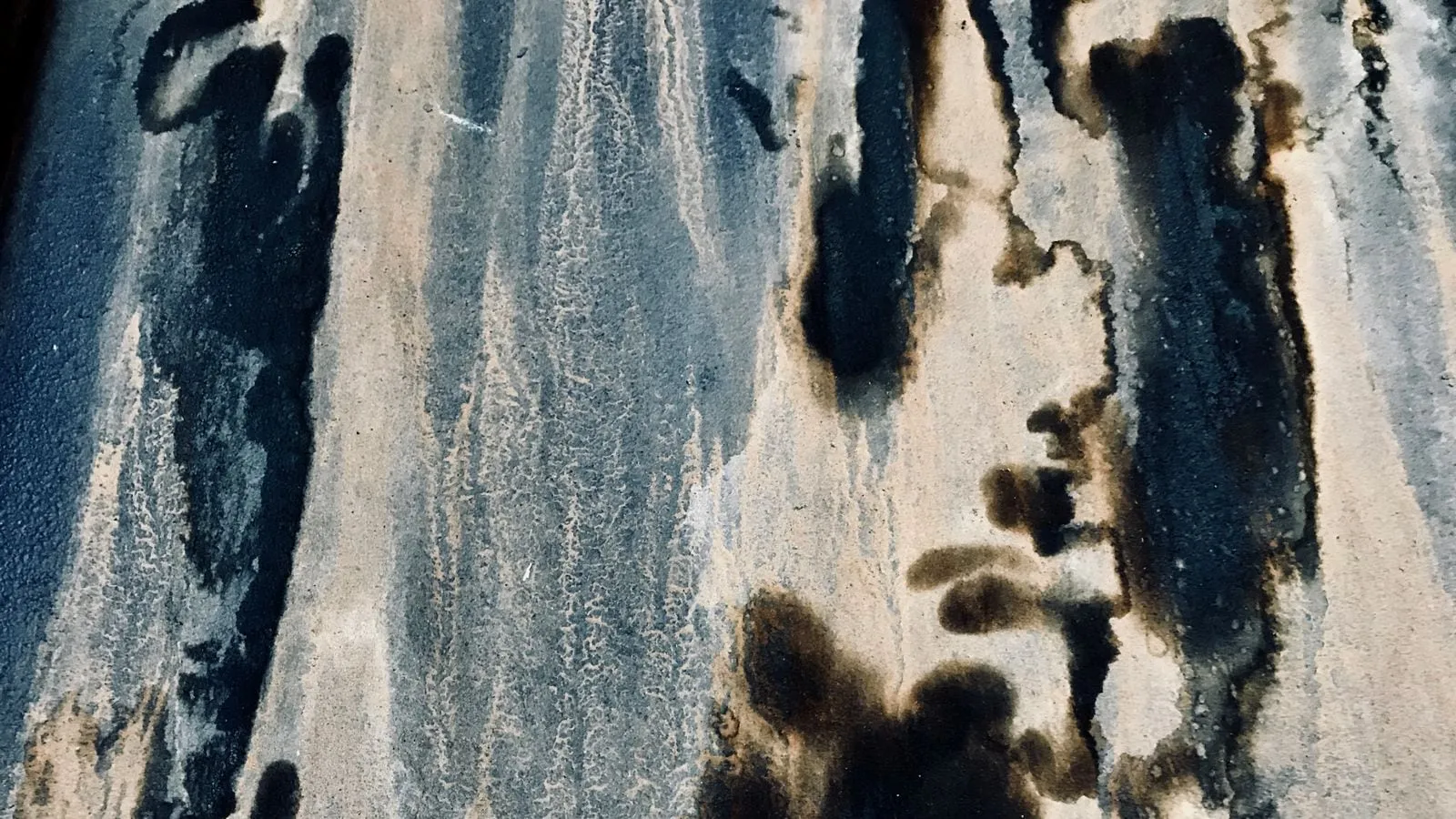
Drying prevents further moisture problems; it does not remove mold that is already growing. EPA’s household cleanup guidance, reviewed October 15, 2026, distinguishes hard surfaces from porous materials: a small affected hard surface may be cleaned with detergent and water and dried completely, while moldy carpet or ceiling tile may need removal. Painting or caulking over mold is not a repair.
Before deciding to clean it yourself, read EPA’s exposure and protective-equipment guidance. Keep people with health concerns out of the cleanup and ask a health professional what applies. The roughly 10-square-foot guideline does not override extensive water damage, contaminated water, hidden growth, or health concerns. If growth is in a wall cavity, keeps returning, or may involve heating or cooling equipment, use an experienced professional rather than disturbing it to see how far it goes. EPA says not to run a heating or cooling system known or suspected to be mold-contaminated because it could spread mold.
Add the visible location and approximate area to the record below from a safe position. Do not open a wall or pull up flooring just to complete the log. A recurring patch is a reason to resolve the moisture source and the affected material, not simply repeat a surface wipe.
Clean-water leak record
The leak and the mold risk are related but not the same record. Note when water entered, when the source stopped, what was removed or dried, and who checked the repair. Do not paint or close a wall over damp material. If the same spot becomes wet again, treat it as an unresolved source rather than a new surface-cleaning task.
| Record | Example entry |
|---|---|
| Source and stop time | Sink supply hose; shutoff time and who operated it |
| Water type | Clean supply water, if known; otherwise note uncertainty |
| Affected materials | Tile, cabinet side, carpet, wall base, contents, or hidden area suspected |
| Photos and times | Before cleanup, after water removal, and during follow-up; date and time each image |
| Drying or removal | What was dried, moved, discarded, or left for professional assessment |
| Repair and check | Plumber/manager contact, repair date, follow-up date, and any recurring dampness or odor |
Save this with the work order or insurance file. If a contractor opens a wall or removes material, keep the written assessment and repair scope. A household photo log can document what you saw; it does not establish that hidden mold is absent or replace an inspection.
When a household member needs a different boundary
People with asthma, other respiratory conditions, allergies, or weakened immune systems may need to avoid entering wet or visibly moldy spaces and ask a clinician or qualified cleanup professional for guidance. CDC’s information about mold in buildings is population-level guidance, not a diagnosis tool for a household. If anyone has symptoms, seek medical advice rather than asking this article to identify the cause.