15 Winter Preparedness Mistakes to Avoid
Avoid common winter planning errors involving generators, indoor heat, travel, pipes, food, alerts, medical needs, overexertion, supplies, and the decision to leave.
In this guideJump to a section
- 1. Bringing a generator closer because of snow
- 2. Using cooking equipment for room heat
- 3. Treating a carbon monoxide alarm as optional
- 4. Testing an unfamiliar heater during the outage
- 5. Waiting too long to leave a cold home
- 6. Driving because the supply list is incomplete
- 7. Reading only the alert headline
- 8. Thawing pipes with an open flame
- 9. Putting a fuel heater in a crawl space
- 10. Guessing whether refrigerated food is safe
- 11. Treating outdoor cold as a refrigerator
- 12. Ignoring medication and powered equipment
- 13. Depending on one communication method
- 14. Overexerting during snow removal
- 15. Buying gear instead of maintaining a plan
- Questions behind common winter shortcuts
- A safer replacement for each shortcut
These are correctable decisions that tend to appear when a household is cold, rushed, or working from memory. The Winter Storm Preparedness Guide gives the full timeline; this page pairs each shortcut with a safer replacement.
1. Bringing a generator closer because of snow
Generators stay outdoors and more than 20 feet from doors, windows, and vents under CDC guidance. A garage, crawl space, shed, porch enclosure, or open window is not safe placement.
2. Using cooking equipment for room heat
Do not use an oven, grill, camp stove, homemade alcohol burner, or candle-pot device as a heater. Read Indoor Heating Safety.
3. Treating a carbon monoxide alarm as optional
Maintain smoke and carbon monoxide alarms according to their manuals. If an alarm sounds, move to fresh air and call emergency services.
4. Testing an unfamiliar heater during the outage
Review the exact manual before winter. Confirm location, fuel, clearances, ventilation, supervision, and sleeping restrictions.
5. Waiting too long to leave a cold home
Choose a heated backup location and transport plan. Leave before health, road, fuel, or battery conditions remove the safe option. The CDC winter-storm guidance covers alternate heated places and current travel instructions.
6. Driving because the supply list is incomplete
Optional gear is not worth travel during closures or worsening conditions. Follow local road and emergency instructions.
7. Reading only the alert headline
Open the full National Weather Service alert for location, timing, hazards, impacts, and recommended action. See Watch vs. Warning.
8. Thawing pipes with an open flame
Never use a torch or flame. The Red Cross frozen-pipe guidance covers general pipe precautions; follow local utility guidance and contact a qualified plumber when safe thawing is uncertain.
9. Putting a fuel heater in a crawl space
Protect pipes with approved insulation, heat cable used as directed, conditioned air where appropriate, and professional repairs. Do not add combustion to a confined space.
10. Guessing whether refrigerated food is safe
Keep appliance doors closed and follow USDA emergency food safety guidance. Smell is not a safety test.
11. Treating outdoor cold as a refrigerator
Sun, animals, contamination, and temperature swings make outdoor storage unreliable. Use monitored coolers and official food-safety guidance.
12. Ignoring medication and powered equipment
Ask the pharmacist, clinician, and equipment provider about refills, storage, approved batteries, and exit triggers before winter.
13. Depending on one communication method
Keep a short message format, out-of-area relay contact, printed numbers, and official alert sources. Use the Winter Household Communication Plan.
14. Overexerting during snow removal
Follow CDC winter-storm safety guidance, use appropriate equipment, take breaks, and seek help when the task exceeds the person’s health or mobility limits. Do not clear snow near downed lines or unstable trees.
15. Buying gear instead of maintaining a plan
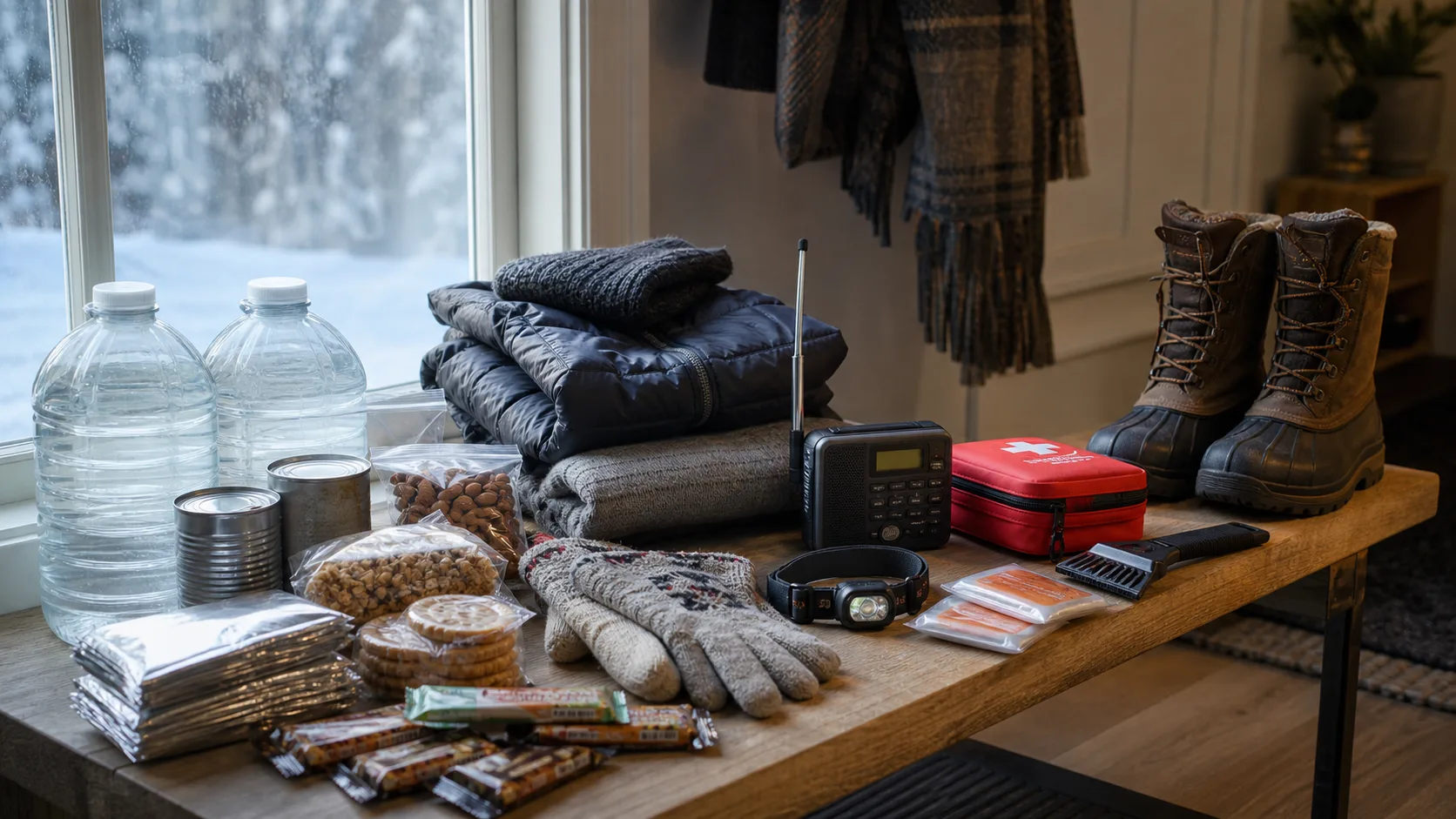
Check water, food, medication information, clothing, alarms, batteries, routes, and approved equipment before adding products. Use the Outage Readiness Planner to identify the real gap.
If the power is already out, use the Winter Power Outage Guide for the next heat, pipe, food, and leave decision.
Questions behind common winter shortcuts
Is cotton always dangerous in winter?
The practical issue is moisture and insulation. Wet clothing can increase heat loss. Choose dry layers appropriate to the activity and conditions, carry replacements when needed, and follow current cold-weather safety guidance rather than a universal fabric slogan.
Should every home keep two fuel heaters?
No. Backup heat depends on the home, code, appliance approvals, fuel storage rules, ventilation, alarms, supervision, and a safe destination. Clothing, bedding, one occupied room, and leaving for heat may be the safer plan.
What is the first mistake to fix?
Remove prohibited indoor combustion and confirm working smoke and carbon monoxide alarms. Then define the point at which the household leaves for a safe heated location.
A safer replacement for each shortcut
| Risky shortcut | Safer planning replacement |
|---|---|
| Generator in or beside the garage | Outdoor placement more than 20 feet from openings, with a planned connection and weather protection |
| Oven or camp stove for room heat | Dry layers, bedding, an approved heater used exactly as directed, or a heated backup location |
| Open flame on a frozen pipe | Main shutoff access, approved gentle thawing guidance, and a qualified plumber |
| Driving for optional supplies | Maintained first household layer and adherence to road restrictions |
| Guessing at food safety | Appliance thermometer and current USDA guidance |
| One phone as the entire plan | Paper contacts, relay person, short messages, and official alert layers |
| Waiting until the home is very cold | Written temperature, health, equipment, and travel triggers for leaving |
Review these replacements with every person who may operate equipment. A safe plan should still work when the most experienced household member is away.
For children, older adults, or anyone with mobility, sensory, or medical needs, define who helps and how much extra lead time is required. Do not make an emergency dependent on a single driver, password, key, charger, or fuel source.
Write the safer replacement into the household plan and practice finding it. A correction is durable only when everyone who may be present can follow it without relying on memory or one experienced person.