Build a practical home security plan with sound entry hardware, daily habits, lighting, cameras, alarms, account security, and outage fallbacks.
Preparedness library
Guides for the decision in front of you
Browse practical planning guidance for outages, water, food, backup power, communication, and home security. Start with a topic or continue through the latest updates.
Archive page 2
Earlier guides
Plan safe manual fallbacks for locks, garage access, cameras, alarms, lighting, communications, and household check-ins during a power outage.
Maintain a LiFePO4 backup system with manual-specific storage, temperature, inspection, firmware, load testing, fault response, and service records.

Build a no-internet communication stack with written contacts, SMS, an out-of-area relay, official alerts, local radios, backup power, and an optional satellite layer.

Choose a home PFAS water filter by checking your water report, exact model certification, capacity, installation needs, and replacement schedule.
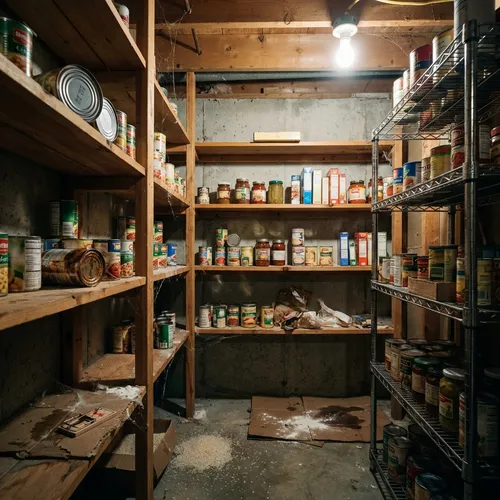
Audit a beginner emergency pantry for unusable food, missing water, unsafe cooking, poor rotation, and fragile storage, then fix each problem in one afternoon.
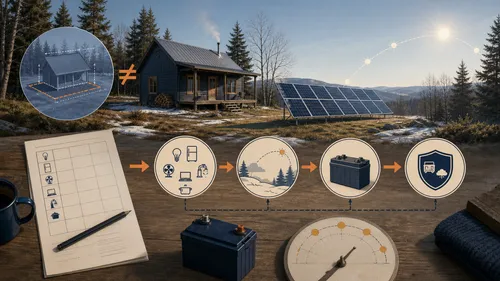
Size an off-grid cabin solar system from measured seasonal loads, NLR solar data, battery autonomy, pump starting demand, site constraints, and local rules.
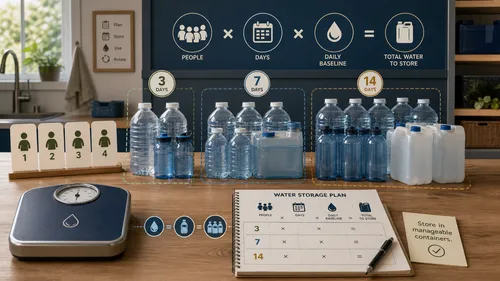
A family of four needs 12 gallons for 3 days or 56 gallons for 2 weeks before added needs. Plan container counts, weight, reserves, and refills.

Compare lead-acid, AGM, lithium-ion, LiFePO4, and emerging battery options by complete-system use, maintenance, temperature, usable energy, and safety.
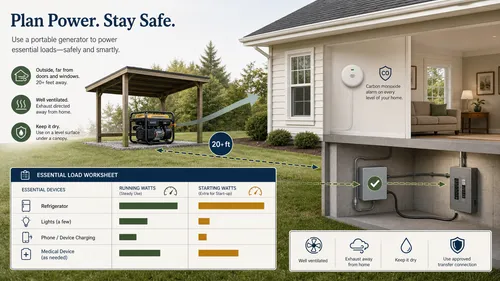
Choose a portable generator from critical loads, starting demand, a safe outdoor location, connection method, fuel plan, service, and the exact manual.

Compare emergency water treatment methods by the germs or contaminants they address, their limits, and the official instructions that make them safer to use.
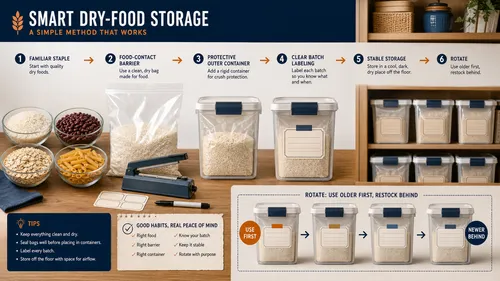
Package dry bulk staples for deeper food storage with suitable foods, food-contact barriers, oxygen-control cautions, labels, small batches, and a rotation plan.
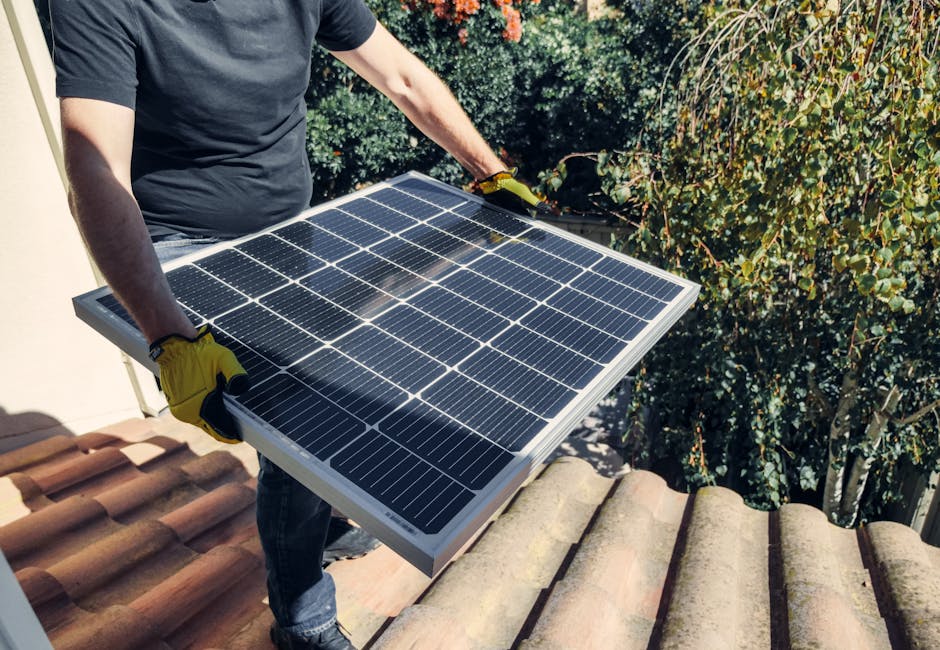
Compare battery stations, portable generators, solar-plus-storage, and standby systems by critical loads, outage duration, safe connection, and maintenance.

Build an emergency food supply from three days to two weeks with a household menu, safe storage, water planning, no-cook meals, and a simple rotation system.
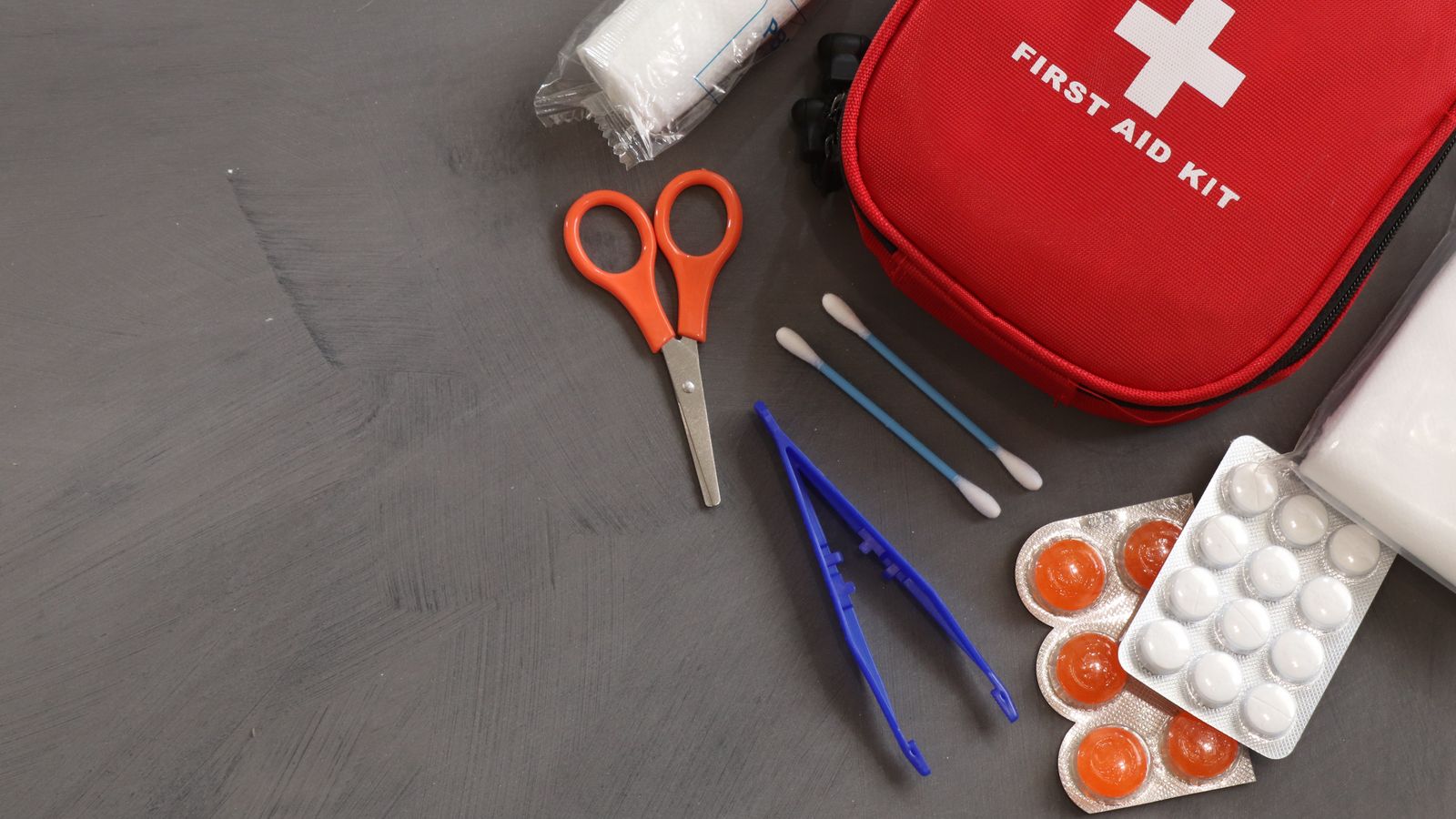
A practical, brand-neutral checklist for water, food, medication, light, communication, sanitation, documents, tools, evacuation, and household needs.

Plan for medication, powered medical equipment, mobility, hearing and vision, heat and cold, communication, evacuation, pets, and caregiver coordination.

Prepare for a winter power outage with a safe heating plan, pipe protection, food and water decisions, official alerts, daily checks, and clear exit triggers.

Avoid common winter planning errors involving generators, indoor heat, travel, pipes, food, alerts, medical needs, overexertion, supplies, and the decision to leave.

Build a practical household communication plan for outages, evacuations, and network congestion with phone, radio, alert, power, and paper fallbacks.

Adapt a household communication plan for winter travel delays, school and work separation, power outages, warming locations, short messages, paper contacts, and official alerts.