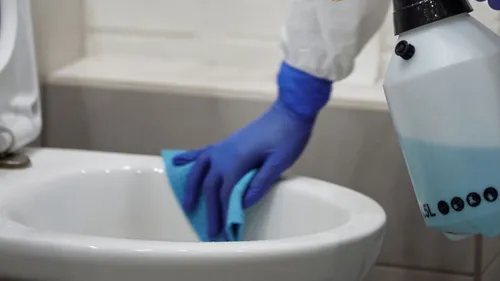
Identify whether a water or wastewater problem affects flushing, follow local utility instructions, and know when to stop using a toilet or leave the area.
Preparedness library
Complete guide library
Browse practical planning guidance for outages, water, food, backup power, communication, and home safety. Start with a topic or browse by publication date.
Archive page 8
Earlier published guides
Once thunder is heard, remain in substantial shelter and pause activities that connect you to wiring, plumbing, doors, windows, or outdoor spaces.
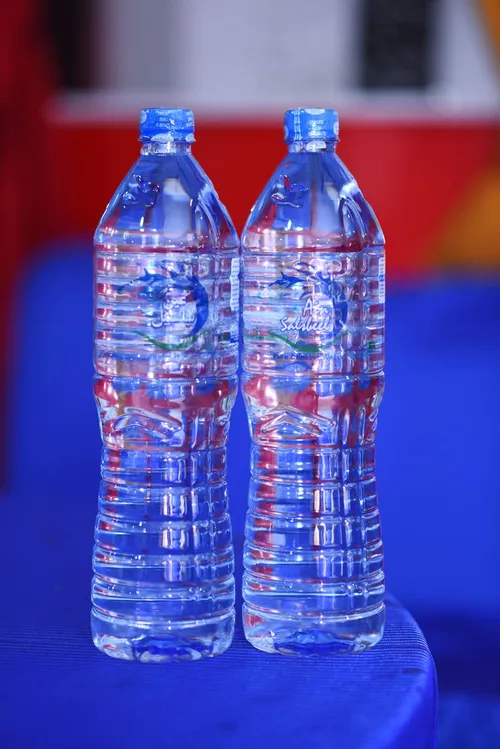
Check the printed date, cap seal, container condition, and storage location on commercially bottled water, while keeping its guidance separate from home-filled containers.

Check the active notice, verify a dishwasher's sanitizing cycle or final-rinse temperature, and follow current public-health instructions for hand-washing dishes.

Use the exact system manual, cartridge model, rated capacity, and service interval to schedule a water-filter replacement without guessing from taste or fit.

Separate hardness scale from a water-quality concern before choosing a softener or filter, then verify any treatment claim against current water data and the exact model.

Prepare a short food-allergy emergency plan with familiar labeled foods, storage and cross-contact questions, medication instructions, and a shelter handoff.
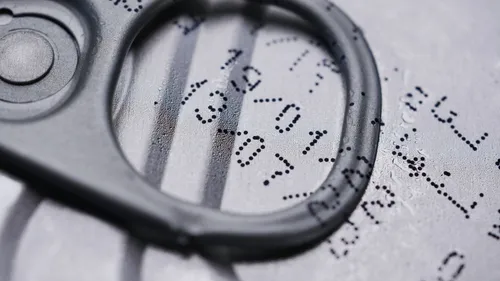
Understand common U.S. food date labels, what they usually say about quality, and why infant formula and food-safety handling need separate attention.

Compare the official recall notice with the exact product, package, lot or date code, then isolate it and follow the notice's return, disposal, and cleaning steps.
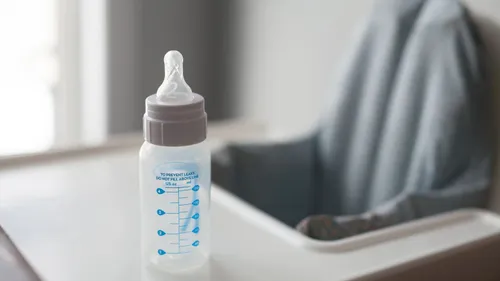
Make a household feeding plan for safe water, formula or expressed milk, clean supplies, transport, and clinician-directed special needs during an outage.
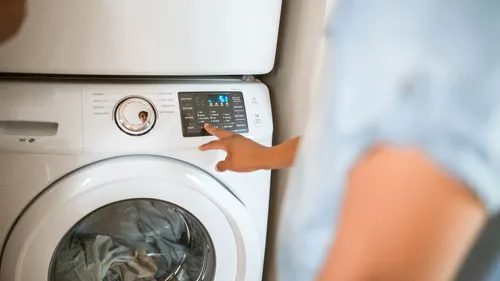
Compare the exact model and identifying details with a recall notice, follow that notice's remedy, and keep a record of the household's next steps.

Recognize visible signs of a lithium-ion battery problem, know when to leave and call emergency services, and find a safe disposal contact without handling a damaged pack.
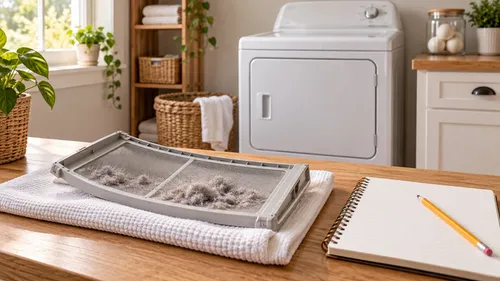
Check the lint filter, vent path, and exterior outlet for visible problems, then know when a dryer needs qualified service before it runs again.
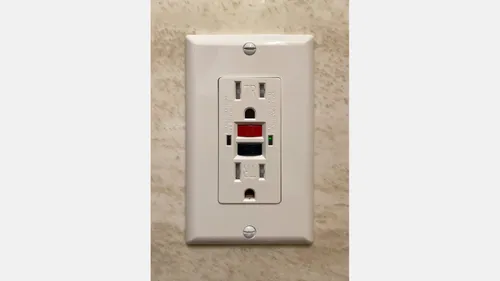
Check what was connected and look for visible damage after a GFCI trip, then stop resetting and call a qualified electrician if the cause is unclear.

Choose a short- or long-term radon test, follow its placement instructions, record the result, and know when to confirm it or contact a qualified professional.

If you smell or hear a possible gas leak, leave immediately without switching lights or using a phone inside, then call emergency services or the gas utility from well away from the building.

Prepare for an aquarium outage by documenting species-specific needs, equipment, temperature checks, and who to call before improvising a power or care solution.

An EV may power selected devices or, with compatible home equipment, support a home backup system. Check the exact vehicle and equipment before planning around it.
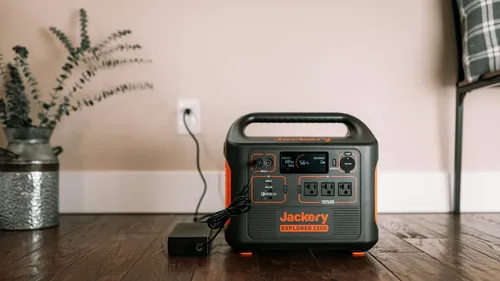
A portable power station may run electronics during an outage, but its backup mode may briefly interrupt power. Check the exact manual before relying on it for a computer or NAS.

Protect a home NAS from an abrupt outage by checking UPS signaling, automatic shutdown, recovery behavior, and a separate backup of important files.