Plan Infant Feeding for a Power or Water Emergency
Make a household feeding plan for safe water, formula or expressed milk, clean supplies, transport, and clinician-directed special needs during an outage.
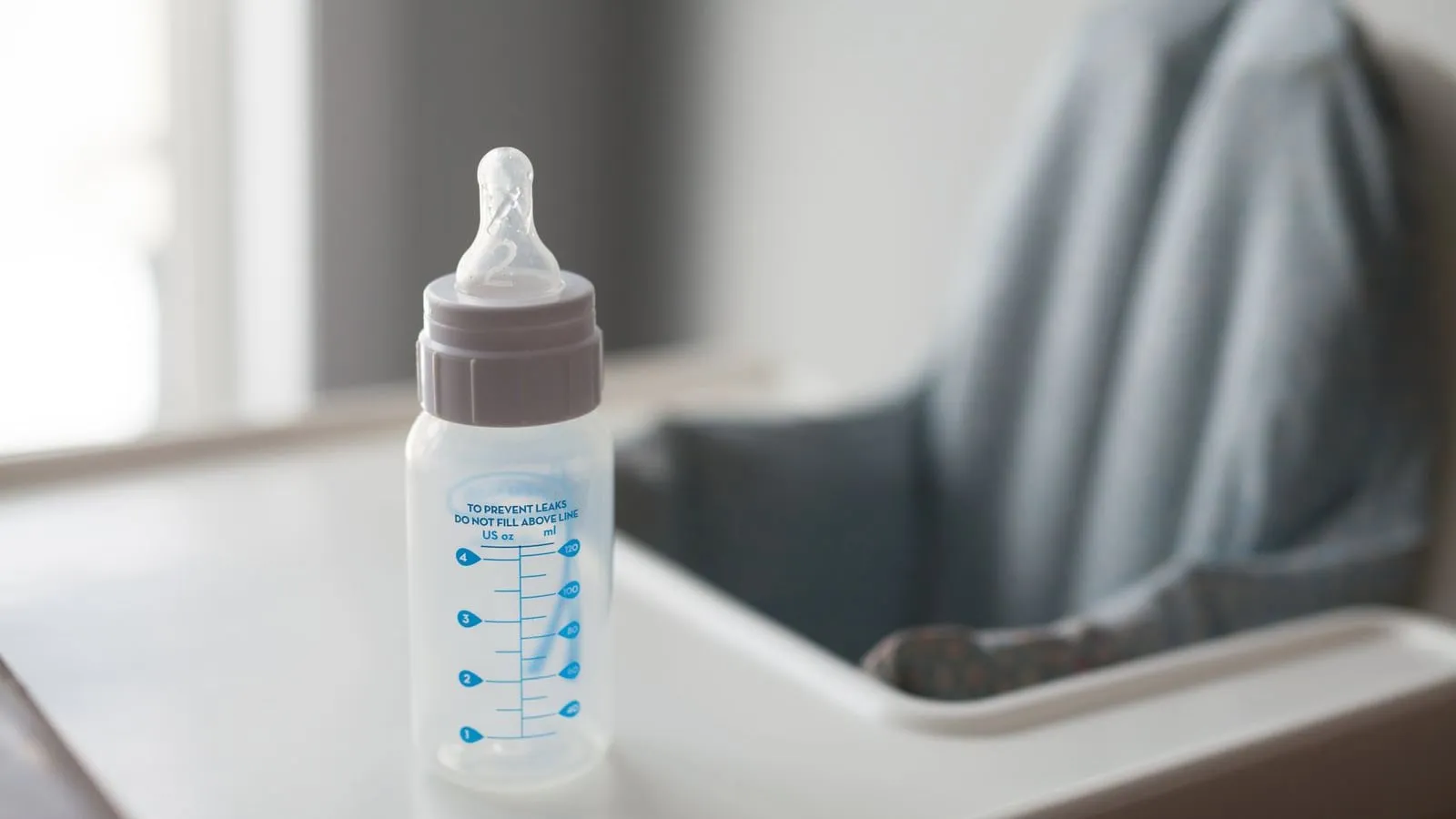
A feeding plan for an infant needs more than a box of supplies. When power or water fails, the hard questions are usually whether water is safe for preparation and cleaning, how perishable items will be stored, and what to do if you must leave home. Write those answers with the baby’s usual caregiver instructions so another adult can follow the same plan.
CDC’s emergency-feeding guidance covers breast milk, infant formula, young-child foods, safe water, electricity, and cleaning. The right plan depends on how your child is fed and any medical needs. This article is a preparation worksheet, not individual medical or nutrition advice.
Start with the child’s current feeding plan
Record the current feeding method and the clinician’s instructions without changing them for emergency convenience. If your infant uses specialized formula, tube feeding, expressed milk, or a feeding device, ask the child’s clinician what should happen when power, refrigeration, equipment, or supplies are unavailable. CDC notes that some specialized feeding needs require specific knowledge, equipment, and power.
For a formula-fed infant, keep the original package directions available and check the use-by date. CDC says ready-to-feed formula is the safest option during an emergency because it is sterile and does not require added water. It is especially important for infants younger than two months, born prematurely, or with a weakened immune system to use ready-to-feed formula in an emergency when formula is needed. Ask your child’s clinician what to include for your infant; do not treat this general guidance as a prescription for a particular child.
Never stretch formula by adding extra water, use homemade formula, or switch a medically directed product without asking the clinician. CDC warns that too much or too little water can make an infant sick and says not to feed homemade formula. Follow the exact current package instructions and current CDC emergency guidance.
Match the backup plan to what can fail
| Disruption | Plan question | Record before an outage |
|---|---|---|
| Tap water advisory | Which bottled or otherwise approved safe water is available for preparation and cleaning? | Utility alert source and clinician/public-health contact |
| Power loss | How will temperature-sensitive supplies be stored, and what is the backup if refrigeration is unavailable? | Cooler location, temperature instructions from product labels, transport plan |
| Limited cleaning water | Are cleanable supplies and safe water available, or are disposable cups/items needed? | Cleaning kit and safe-water source; CDC instructions for disposable alternatives |
| Evacuation | Can the feeding supplies travel in one labeled bag with the caregiver? | Enough current supplies for the planned travel interval, product labels, contact sheet |
| Specialized feeding needs | What device, power source, or clinical support is required? | Written clinician plan and after-hours number |
The table prompts questions, not quantities. How much to pack depends on the child’s current use, the expected duration, storage conditions, supply access, and clinician guidance. Replace expiring supplies before an emergency rather than relying on a large kit that has been forgotten in a hot garage or damp basement.
Keep preparation and cleaning instructions together
CDC’s emergency formula instructions say to use the exact amount of water and powder listed on the package and to use safe water. It gives time and temperature instructions for prepared formula, including additional caution when a power outage prevents refrigeration. Because these details depend on product and handling, open the current CDC page and the product label when preparing formula rather than relying on a remembered note.
Feeding items also need a safe cleaning plan. CDC recommends, in its emergency cleaning guide, cleaning all bottles, nipples, cups, utensils, and food-preparation containers after each use with safe water. Its emergency cleaning guide explains when disposable feeding supplies are appropriate because safe water or soap is unavailable. Follow local water-advisory instructions. CDC warns that boiling or disinfection cannot make water containing fuel, toxic chemicals, or radioactive materials safe; use bottled water or another safe source and ask the health department what applies.
Keep a printed copy of the official instructions in the feeding kit and save links on a phone. If an emergency changes the water source or the baby’s health, ask the local health authority and the child’s clinician what applies. Do not use this article to improvise a treatment or preparation procedure.
Infant-feeding emergency checklist
Complete this with the baby’s caregiver and clinician where needed:
- Usual feeding method and current instructions: ____
- Special formula, medical equipment, or feeding plan: ____
- Clinician/after-hours contact: ____
- Safe water source and current local alert source: ____
- Formula or expressed-milk product label and storage instructions: ____
- Cleaning supplies and what to do if safe water is unavailable: ____
- Power-dependent equipment and backup plan: ____
- Travel bag location and caregiver who knows the plan: ____
- Next supply and expiration check: ____
A quick scenario check can reveal the gap: imagine leaving home while the tap is under a notice and the refrigerator is off. Can the caregiver identify the approved water, read the package, keep supplies within their storage instructions, clean or replace feeding items as the official guidance directs, and call the right clinician for a special need? If one answer is missing, add it to the sheet now.
For a broader list of low-utility meals and pantry needs, use emergency food storage basics. Infant feeding has different safety rules, so keep its plan separate and follow CDC and clinician instructions.