Does Bottled Water Expire? Dates, Seals, and Storage
Check the printed date, cap seal, container condition, and storage location on commercially bottled water, while keeping its guidance separate from home-filled containers.
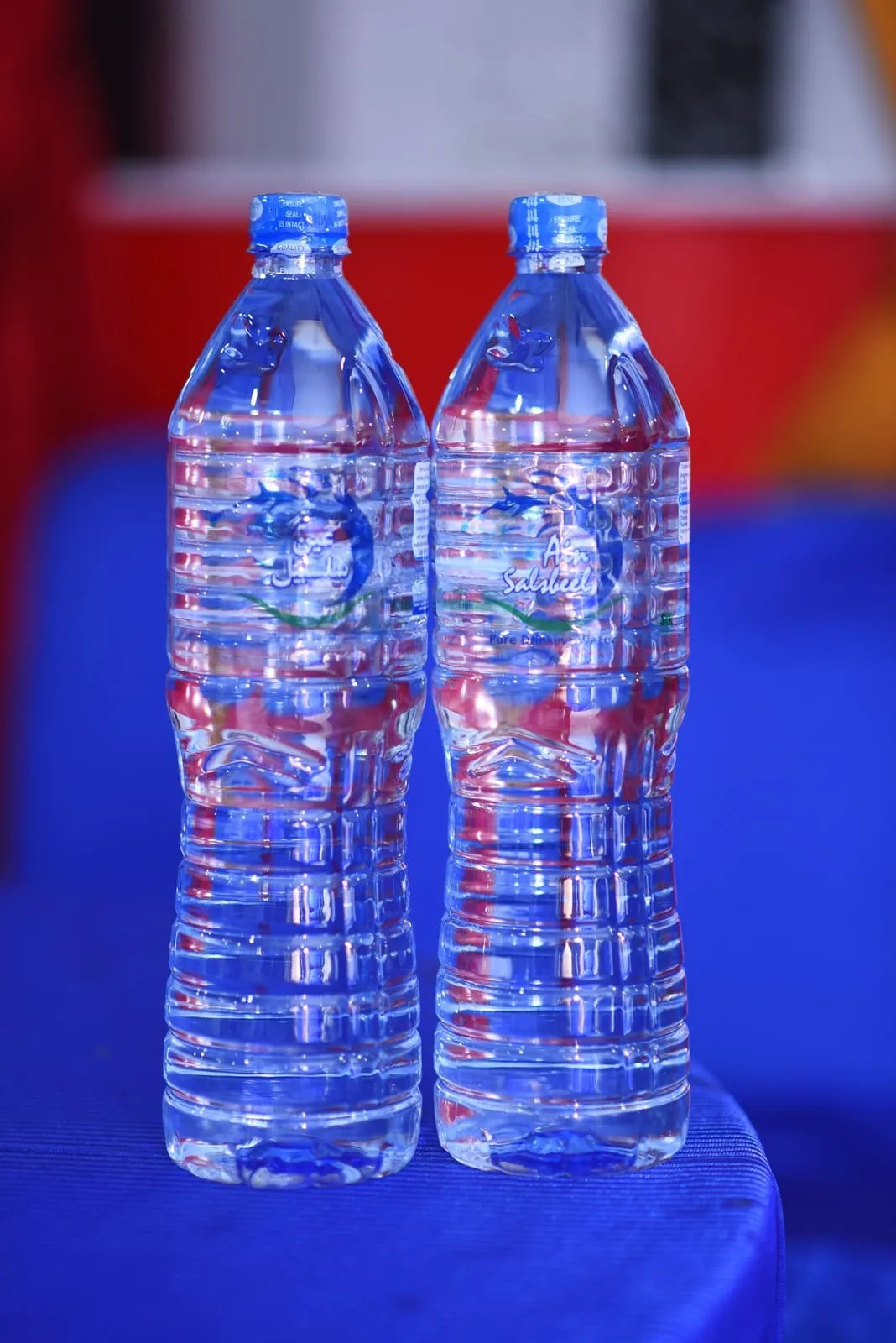
You pull a case of water from the back of a shelf and find that the code is on the shrink wrap, not where you expected it. Before putting it back, make the date readable and check the bottles themselves. A reserve is easier to manage when the next person can see what is there and which case needs attention.
For commercially sealed water, use the package-specific checks below. If you fill containers yourself, the water storage safety guide gives the separate cleaning, sanitation, and rotation process.
What the printed date can and cannot tell you
CDC advises households to observe the expiration date on store-bought emergency water. Its public guidance does not establish a single national number of years that applies to every bottle, brand, closure, or storage history. Follow the date and instructions printed on the product, and contact the manufacturer if the date is missing or unreadable.
A date does not tell you whether the seal is intact or whether the bottle was stored as directed. Check both. Do not extend a printed date based on taste or appearance, and do not treat an intact label as proof that a damaged bottle is suitable for use.
Inspect the case before putting it away
| Check | What to record | Next step |
|---|---|---|
| Product date or code | Exact wording and date as printed | Keep the date visible; ask the manufacturer if unclear |
| Seal and cap | Cap secure; tamper band intact where supplied | Set aside a bottle with a broken or uncertain seal |
| Bottle | No puncture, leak, split, or crushed closure | Do not rely on damaged containers for the emergency reserve |
| Storage place | Cool, shaded, away from fuel, pesticides, cleaners, and other chemicals | Move the case if the location does not meet label directions |
| Stock action | Check date and condition during routine household supply review | Use or replace according to label and manufacturer guidance |
Store the case according to its package directions. Avoid direct sunlight and chemical storage areas; CDC recommends these protections for water households store themselves, and they are sensible safeguards for keeping bottle packaging in good condition. Follow the commercial product’s instructions where they differ.
If the date is missing or the code is unclear
Keep the product name, bottle size, lot or date code, and a photo of the packaging together. Ask the producer: “What date does this code represent, and what storage and replacement instructions apply to this product?” Note the answer and when you received it. Do not turn an unreadable code into a new fill date or guess a shelf life from another brand’s bottle.
A loose cap ring, leak, puncture, or uncertain chemical exposure needs attention even when the printed date is still ahead. Set that bottle aside from the drinking-water reserve; a taste test does not establish that it is suitable. If contamination is suspected, follow the relevant public-health instructions rather than assuming boiling or a home filter resolves it.
Bottled-water stock check
Use one row per case or product so that a date on one package does not silently become the date for the whole shelf.
| Case / quantity | Printed date or code, copied exactly | Seal and container check | Storage location | Action and next check |
|---|---|---|---|---|
Keep the package dates visible, with items to use first accessible for ordinary household use while they remain within their instructions. When replacing a case, record the new product’s own date instead of carrying the old entry forward. Keep the record near the supply and put the next stock check on the household calendar.
If the shelf also holds water you filled at home, label that stock by fill date and keep it on a separate record. CDC recommends replacing home-filled stored water every six months; that is a different instruction from observing the date on commercially bottled water. Use the container sanitation and rotation steps for those containers.