What Food Date Labels Mean: Sell By, Best By, and Use By
Understand common U.S. food date labels, what they usually say about quality, and why infant formula and food-safety handling need separate attention.
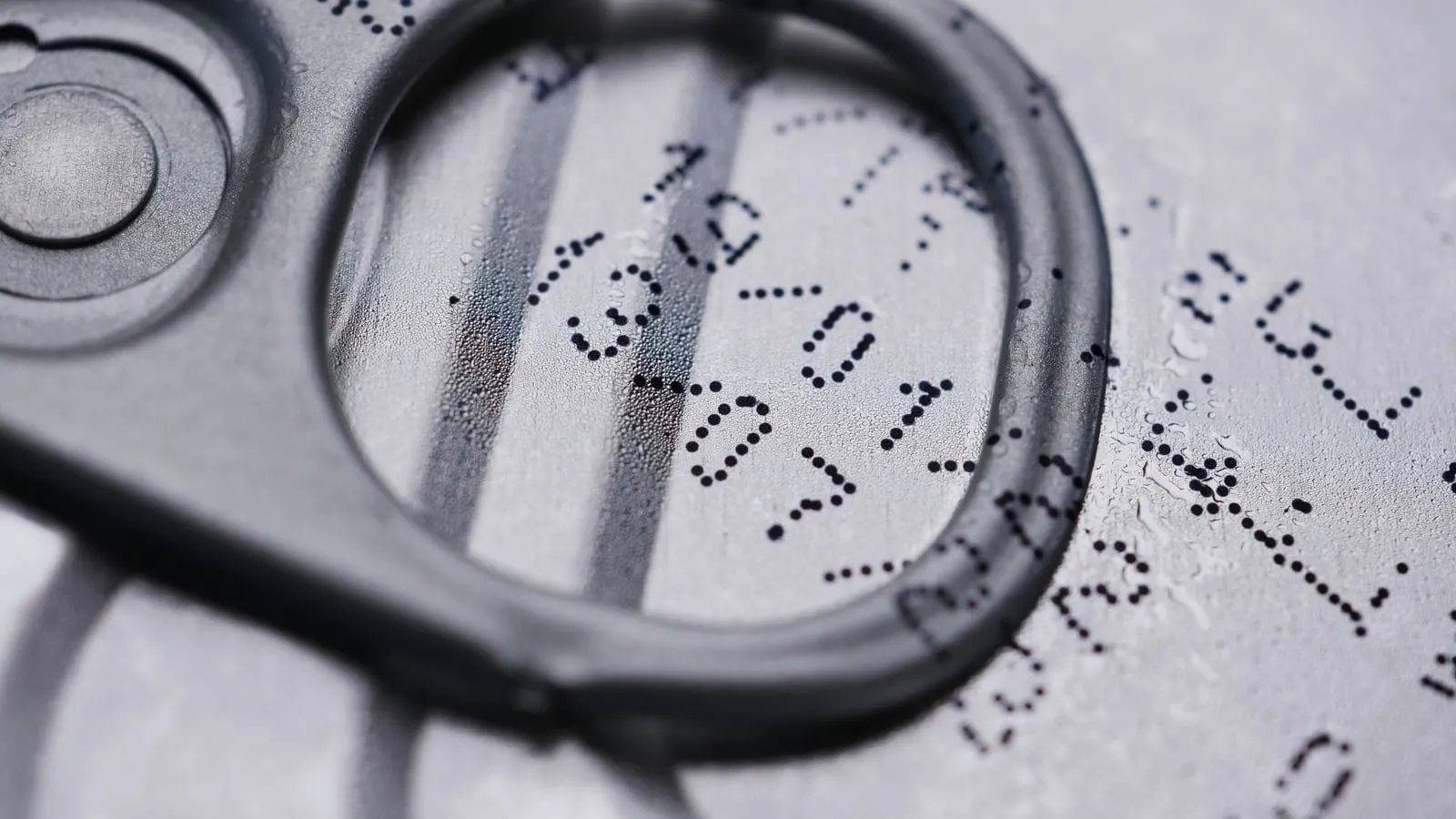
A printed date can be useful, but its meaning depends on the phrase, product, and where it is sold. Under the general federal context, many common phrases describe quality or store inventory. California now has a different standardized system for covered food labels. In every case, the product, its storage history, and special instructions still matter.
USDA’s Food Safety and Inspection Service explains in its food product dating guide that under federal guidance, “Best if Used By” refers to expected quality, “Sell-By” helps stores manage display, and “Use-By” generally marks the last date for peak quality. Infant formula is an exception: its use-by date is required and the product should not be used after that date. California’s AB 660 uses “BEST if Used by” for quality and “USE by” for safety on covered food-date labels and bars consumer-facing “sell by” dates beginning July 1, 2026, with exceptions including eggs and infant formula. Check the current state page when shopping in California; this article is not a complete legal guide.
Read the phrase and the product together
| Label phrase | What it commonly communicates | What it does not establish by itself |
|---|---|---|
| Best if Used By/Before | Expected best flavor or quality | Whether a product was continuously stored at a safe temperature |
| Sell-By | Store display or inventory timing | A household discard deadline |
| Use-By / USE by | Under general federal guidance, often a quality date; in California’s covered labels, “USE by” is a safety date | A single nationwide meaning; infant formula’s use-by date must be followed everywhere |
| Freeze-By | Timing intended to preserve quality through freezing | Permission to freeze food that was already mishandled or temperature-abused |
| Packed, lot, or coded date | Production or traceability information | A consumer-facing safety date unless the manufacturer or notice explains it |
The exact phrase can be absent, abbreviated, or used differently across products. Read the package directions and check the manufacturer’s explanation when a label is unfamiliar. In California, CDFA says covered products sold from July 1, 2026 use standardized quality and safety terms. In other states, do not assume that California’s meaning for “USE by” applies. Product-specific requirements still matter.
California labels: read the standardized wording
California Department of Food and Agriculture says AB 660 standardizes covered labels: “BEST if Used by” or “BEST if Used or Frozen by” communicates quality, while “USE by” or “USE by or Freeze by” communicates a safety date. The state says this applies beginning July 1, 2026, with exceptions including eggs and infant formula. These California terms should not be projected onto every package sold elsewhere. For the exact state scope and exceptions, use the current CDFA food-date-labeling page.
USDA FSIS says federal regulations require a use-by date on infant formula under FDA jurisdiction. The date relates to nutrients and product quality through the period specified by the manufacturer. Do not buy or use infant formula after this date. When building an emergency supply, check the date when stocking and during routine kit reviews, and follow the formula label for storage and preparation.
These differences are a reason to read the exact product, state, and label instead of memorizing that every date is “only quality.” If the package is damaged, recalled, exposed to unsafe water, or stored outside its instructions, its date does not override those concerns. For a feeding plan during an outage, use the infant-feeding emergency guide and current CDC instructions.
A date cannot repair uncertain handling
FDA guidance notes that date-label practices are not uniform under federal rules. Date labels do not record what happened after a food left the store. A refrigerated item may have been kept too warm; a can may be swollen or damaged; an emergency may have interrupted refrigeration. In those cases, use product-specific safety guidance and the full temperature or handling history when available. Do not taste a questionable food to see whether it is safe, and do not rely on smell or appearance alone to rule out harmful germs.
During a power outage, FoodSafety.gov’s chart addresses refrigerator and freezer foods based on their category and the outage conditions. The printed date is not a replacement for that chart. Likewise, if an item appears in a current recall notice, the recall instructions take priority over a date that has not passed.
Worked example: two packages, two different questions
Imagine you are sorting pantry items before a storm. A sealed box of crackers has a “Best if Used By” date that passed last month. First check whether the package is intact and has been stored according to its directions; the date usually speaks to quality, not an automatic discard date. A can of infant formula has a “Use By” date next week. That date is a strict product-specific boundary; do not use it after it passes. Neither conclusion tells you whether the item is included in a recall or whether it was stored safely.
Food-date label checklist
Before discarding or keeping an item, record:
- Exact product and category: ____
- Printed phrase and date: ____
- Is this infant formula? yes / no
- Package intact and product directions followed? ____
- Any temperature interruption or uncertain storage? ____
- Any current recall notice or special manufacturer instruction? ____
- Question still open and source to check: ____
For an ordinary quality date on an intact, properly stored item, use judgment about quality and follow any manufacturer directions. If the storage history is uncertain, the package is damaged, the food is perishable, or the product is in a recall, ask the appropriate official or manufacturer source. Do not invent a new time allowance from the date alone.
This page interprets label wording; it does not own pantry rotation or outage discard decisions. Use emergency food storage basics to set a rotation routine and the food safety outage calculator for the calculator’s covered time and temperature decisions.