GFCI Outlet Keeps Tripping? Safe Checks and Stop Points
Check what was connected and look for visible damage after a GFCI trip, then stop resetting and call a qualified electrician if the cause is unclear.
In this guideJump to a section
An outlet trips while a hair dryer, coffee maker, or outdoor tool is in use. Power returns once, then disappears again. The useful response is not to keep pressing reset until the outlet stays on; note what was happening and stop if the condition repeats or the outlet looks damaged.
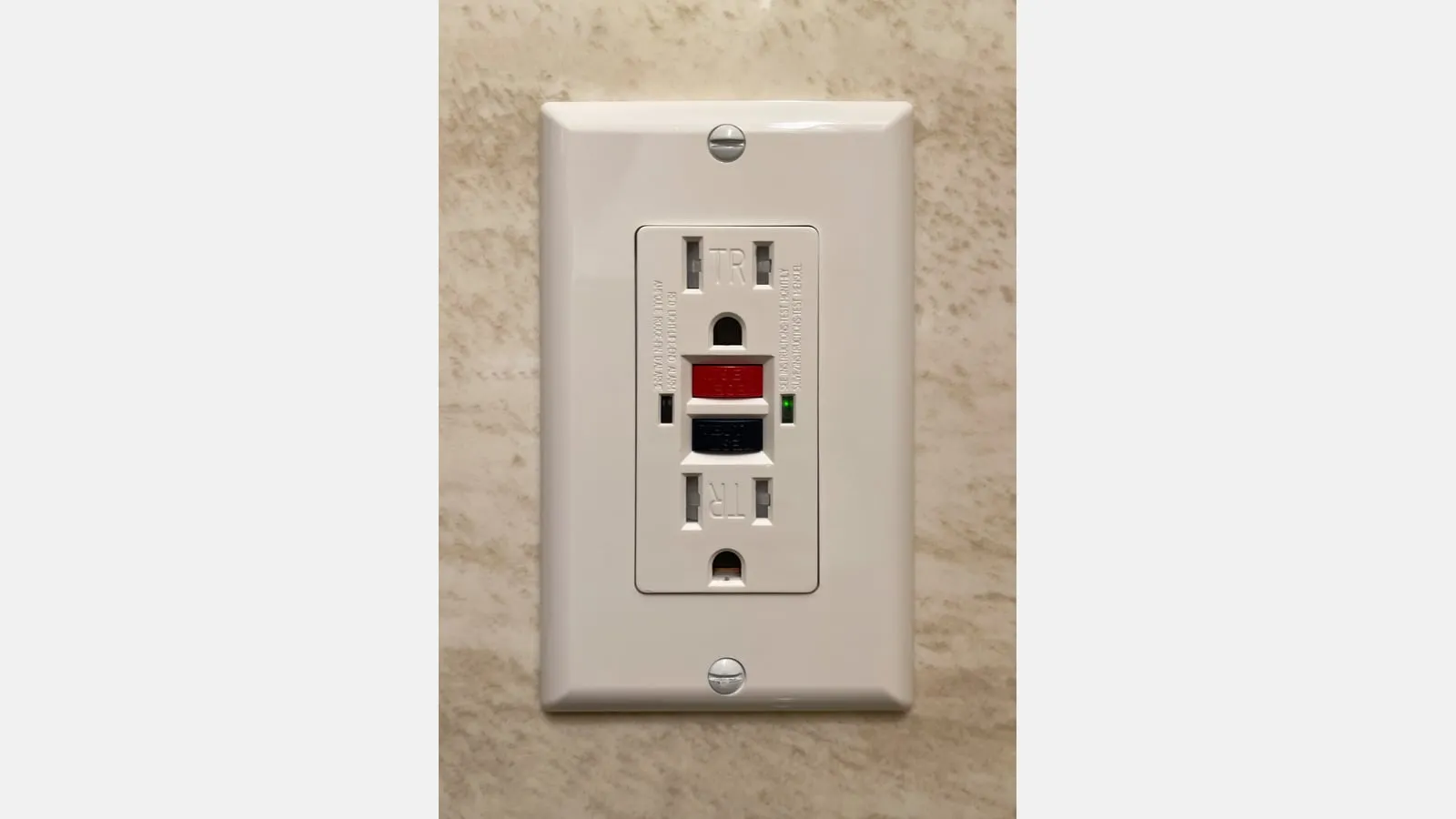
A GFCI is designed to interrupt power when it detects a ground fault, helping reduce shock risk, as described by the CPSC and Leviton. A trip is a warning that power was interrupted, not a label for why. This differs from the surge-protection devices discussed in the power-surge guide, which address brief overvoltage events rather than ground faults.
Check the situation before touching anything
If the area or device is wet, do not touch the plug, appliance, or outlet to investigate. Keep people away and get help from the building manager or a qualified electrician. Likewise, do not use an outlet that is hot, discolored, cracked, loose, sparking, or making an unusual sound.
If everything is dry and the outlet appears intact, note what was running when it tripped. The cause could be related to a connected appliance, a cord, moisture, a downstream outlet, or a circuit issue. Visual clues do not prove which one. Leviton’s manufacturer guidance recommends looking at the outlet and any connected devices, and says to contact a qualified electrician if tripping continues or the cause is not clear.
| What happened | Safe next step |
|---|---|
| One trip; area is dry; no visible outlet or cord damage | Note the appliance and timing. Only reset as the exact GFCI manual directs, then stop if it trips again. |
| The same appliance appears to trigger the trip | Stop using that appliance and cord; arrange qualified inspection or service before trying it again. |
| Outlet is wet, warm, discolored, loose, cracked, sparking, or smells burned | Do not touch, plug into, or reset it. Keep others away and contact the building manager or a qualified electrician. |
| It trips again immediately, will not reset, or trips with no clear cause | Leave it tripped. Do not keep resetting or bypass the protection; call a qualified electrician. |
| Nearby outlets also lost power | Do not assume they are all dead or that the visible GFCI is the only issue. Record the affected area and ask a qualified electrician or property manager to investigate. |
Do not remove the cover, pull the receptacle from the wall, probe wiring, or replace the device. The fact that a button moves or power returns does not prove the circuit is safe. If you rent, report repeated trips and visible damage to the property manager in writing and keep the date and response.
Test and maintain a GFCI separately
A routine test is different from troubleshooting a trip. ESFI advises monthly testing with the TEST and RESET buttons; follow the exact device instructions for your model and building. If its test does not interrupt power or it will not restore power as instructed, contact a qualified electrician rather than opening it.
Some GFCIs protect additional outlets downstream. That means an outlet that went dark may not itself have a reset button. Do not open wall plates or move furniture around wet locations looking for a hidden device. Note which rooms or outlets stopped working and give that description to the person responsible for service.
GFCI trip record
If you need to report the issue, a short record helps the electrician or landlord understand what happened without guessing:
| Record | What to note |
|---|---|
| Location | Room and which outlet or group of outlets lost power |
| Timing | Date/time and whether the area was wet or recently cleaned |
| Connected equipment | Device and cord in use, and whether the trip repeated with it disconnected by a safe, ordinary action |
| Visible condition | Dry/wet, intact/damaged, unusual warmth, discoloration, sound, or odor—do not touch to check temperature |
| Result | Whether power remained off, returned once, or tripped again; do not keep testing to complete the record |
| Follow-up | Name of the property manager/electrician contacted and their instructions |
When in doubt, leave it off
An unexplained or recurring trip means the safe next step is professional diagnosis, not a household repair project. If anyone has received a shock or there is smoke, fire, or an active electrical hazard, move away and call emergency services from a safe location.