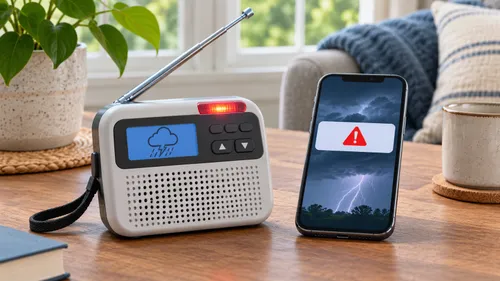
NOAA Weather Radio and smartphone Wireless Emergency Alerts are complementary, not substitutes. Compare broadcast NWR and cellular WEA alert pathways, power requirements, and coverage limits for storm resilience.
Preparedness library
Complete guide library
Browse practical planning guidance for outages, water, food, backup power, communication, and home safety. Start with a topic or browse by publication date.
Archive page 4
Earlier published guides
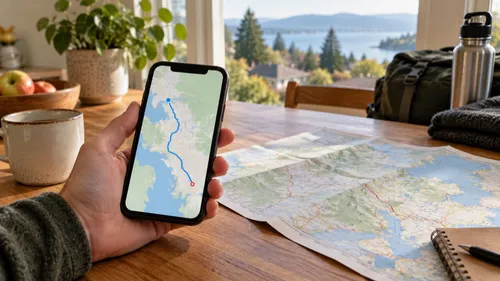
Offline maps provide static routing when cell service drops, but they do not show live road closures, fire perimeters or official detour routes. Save your offline coverage and a printed map before a crisis, and always obey local barricades over your device's cached route.

A useful neighbor emergency group starts with consent: choose a small contact tree, share only the minimum details people agree to, and establish how to pass along official warnings or ask for help.
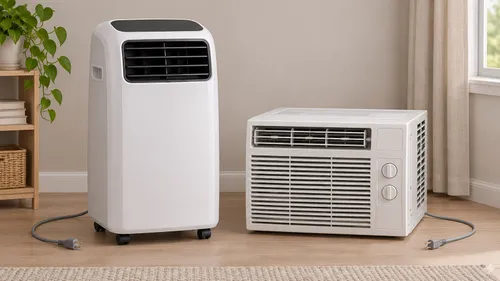
A properly sized window AC may be a more efficient room-cooling option. A floor-standing portable AC needs a compatible outdoor exhaust path and space. Performance ratings are not always directly comparable. Check the exact model, room and circuit—and have another location ready.
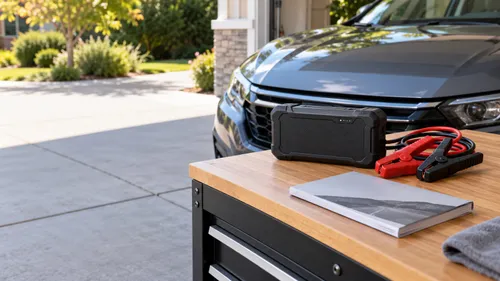
Check a jump starter against the vehicle's own manual, battery details, device instructions, storage limits, and support before buying.
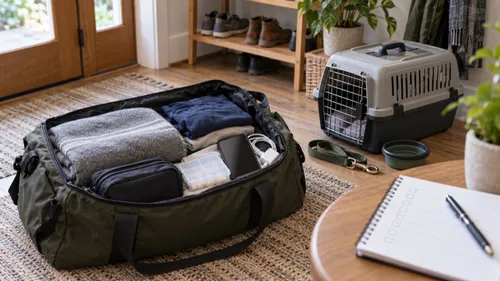
Verify that a shelter is open and fits your needs, then prepare medicines, mobility and care items, clothing, and comfort essentials without delaying an evacuation.

Read NOAA's space-weather scales as possible effects, distinguish G, R, and S alerts, and use official updates without turning a forecast into a household outage prediction.
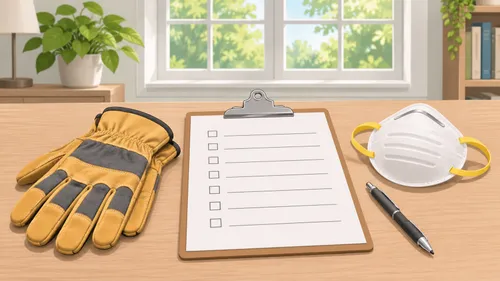
After officials clear reentry, learn when light settled ash may be cleaned with low-dust methods, who should stay away, and when burned-structure debris, damaged systems or uncertain contamination call for qualified help.

Turn official reminders, product manuals, and local seasonal hazards into a small year-round household review calendar without applying one service interval to every home or device.
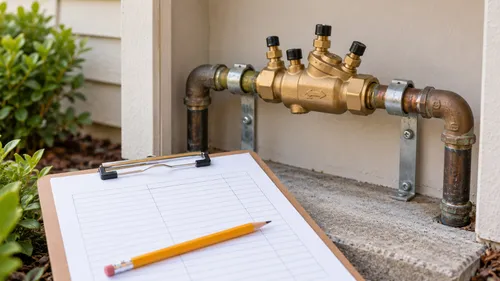
Create a household record for a backflow-prevention assembly and verify testing requirements with the water provider or local authority.
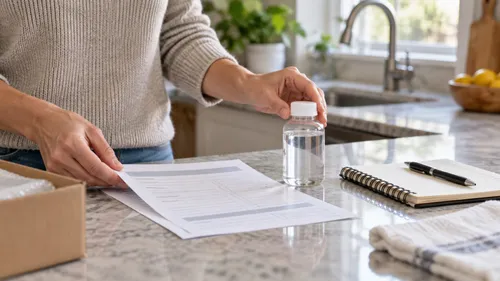
Match a water concern to a targeted screen, utility contact, or certified lab before buying a test kit or choosing treatment.
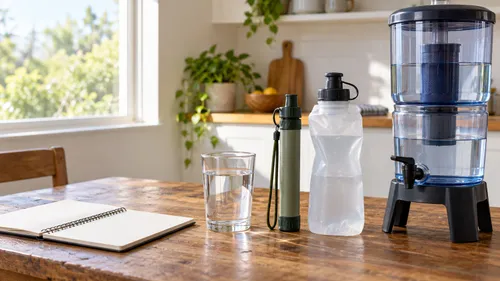
Match a portable filter's exact claim and format to a known water source, household use, and maintenance plan before relying on it.

An emergency pantry works best when its inventory reflects actual meals and safe packaging. Record each food, serving quantity, and unopened storage guidance.

For a small apartment emergency pantry, start with familiar shelf-stable meals you can eat without refrigeration or fuel. Keep water and heavy containers on stable suitable surfaces and check food labels.
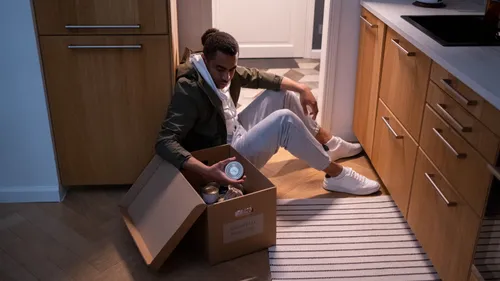
Choose outage-food package sizes around meals you can finish, and decide what to do with opened food when refrigeration is unavailable.
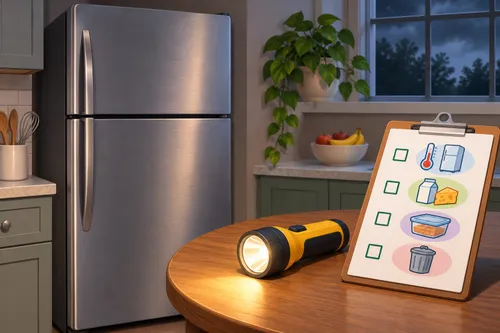
FoodSafety.gov says an unopened refrigerator generally keeps food cold for about four hours during an outage. Perishable refrigerated food should be discarded after four hours without power, or when its unsafe temperature history meets the official category chart.
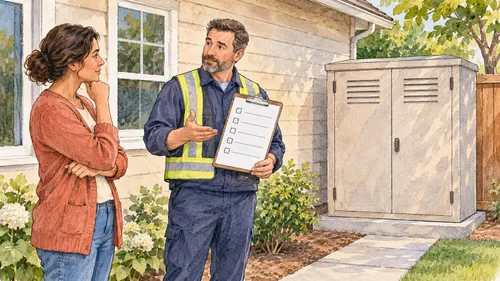
A seismic gas shutoff valve reacts to shaking, while an excess-flow device responds to abnormal flow. They solve different problems and neither detects every leak. Check the serving utility, local code, California approval and a licensed plumbing installer before selecting a device.

A feature-by-feature evaluation of home security during a home internet outage, separating local alarms from monitoring, remote apps and cloud recording.
Wired alarm contacts avoid radio dependencies but need a compatible, powered panel. Wireless contacts avoid cable runs but require battery maintenance. Either may or may not support off-site monitoring, local recording or backup power; compare exact components and written terms.
Interconnected smoke alarms sound together when one activates. Hardwired and wireless interconnection options exist, but models, powering, permitted placement and installation rules differ. Check local fire code, exact model compatibility and a qualified electrician for hardwired work.