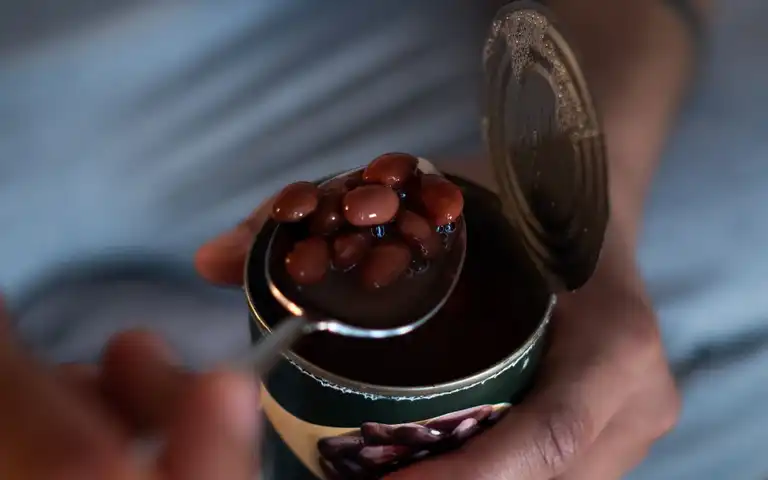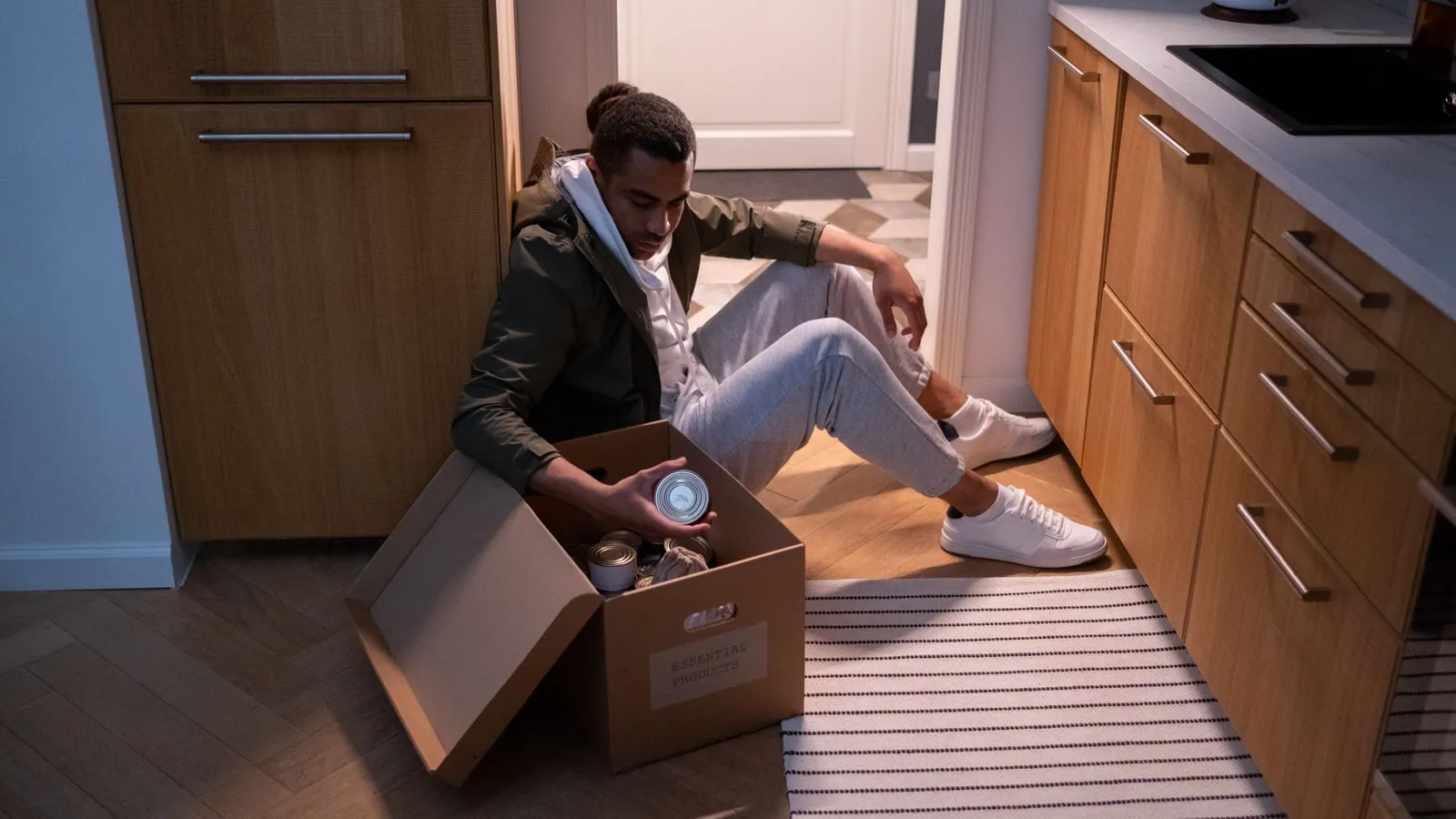
Solo emergency food planning fails on thermodynamic and biological realities rather than simple caloric shortfalls. In multi-person households, opening a large 28 oz commercial can of beef stew or a 64 oz carton of soup creates zero leftover waste because several adults consume the contents immediately. In a solo household experiencing a prolonged power outage, opening that same container triggers an immediate microbiological crisis.
Without electrical power, the refrigerator quickly climbs above 40°F (4.4°C). The single occupant consumes 8 to 10 ounces of food, leaving 18 ounces of perishable, protein-rich broth sitting at room temperature. Within two hours, mesophilic bacteria replicate to pathogenic thresholds, forcing the individual to choose between food poisoning and discarding two-thirds of their emergency reserves.
The single-person leftover trap and bacterial doubling kinetics
Surviving a multi-day utility outage living alone requires matching package portion sizes directly to single-meal human stomach capacity.
The microbial doubling curve
Commercial shelf-stable canned goods and retort pouches undergo industrial retort processing (typically 240°F to 250°F / 115°C to 121°C under pressure) to destroy all vegetative pathogens and Clostridium botulinum spores. Inside the hermetic container, the food is sterile.
However, the moment the metal lid is pierced or the pouch tear-notch is pulled, airborne fungal spores, household dust, and salivary bacteria enter the nutrient-rich matrix. In ambient room conditions between 70°F and 90°F (21°C to 32°C):
- Common foodborne pathogens—including Staphylococcus aureus, Clostridium perfringens, and Bacillus cereus—exhibit generation times (g) of 20 to 30 minutes.
- Initial low-level airborne contamination of 50 bacterial cells per gram expands exponentially:
- 1 hour (2 doublings): 200 cells/g
- 2 hours (4 doublings): 800 cells/g
- 4 hours (8 doublings): 12,800 cells/g
Under USDA Food Safety and Inspection Service (FSIS) regulations, perishable cooked foods held above 40°F (4.4°C) for more than 2 hours (or 1 hour when ambient temperatures exceed 90°F / 32°C) must be discarded. Storing opened cans under a damp cloth, placing them on a cool concrete floor, or transferring them to a plastic container does not halt bacterial growth. Without a verified mechanical refrigerator operating at ≤ 40°F, an unconsumed portion is a biological hazard.
Indoor combustion hazards: why “no-cook” is mandatory
During winter storms or hurricane blackouts, solo residents are frequently tempted to operate portable gas camp stoves, butane burners, or charcoal barbecues inside kitchens, apartments, or enclosed garages to heat multi-serving dry foods.
The Centers for Disease Control and Prevention (CDC) warns that burning hydrocarbon fuels in enclosed residential structures generates lethal concentrations of carbon monoxide (CO). Carbon monoxide binds to human hemoglobin with an affinity 200 times greater than oxygen, causing rapid carboxyhemoglobin formation, hypoxia, unconsciousness, and death without odor or irritation. A solo resident who loses consciousness from CO poisoning has no second household member to recognize the symptoms or call emergency services. An outage pantry for one person must be fully operational with zero cooking heat.
Worked nutritional planning, caloric budget, and package-size arithmetic
A resilient solo pantry requires balancing daily macronutrient distribution against exact single-serving packaging sizes.
Baseline caloric and macronutrient distribution for one adult (7 Days)
Assuming a baseline survival expenditure of 2,100 kcal/day, a 7-day no-cook emergency supply requires:
7 days × 2,100 kcal/day = 14,700 total kcal.
Target macronutrient energy distribution:
- Proteins (15% of energy): 315 kcal/day ≈ 79 grams/day (prevents muscle catabolism and supports immune integrity).
- Carbohydrates (55% of energy): 1,155 kcal/day ≈ 289 grams/day (fuels central nervous system function and sustained energy).
- Lipids/Fats (30% of energy): 630 kcal/day ≈ 70 grams/day (supplies essential fatty acids and compact caloric density).
Single-serving portfolio assembly (Zero-Leftover Model)
To eliminate the leftover trap, all shelf-stable rations are procured in single-meal portions:
-
Retort foil pouches of tuna or pink salmon in oil (3 oz / 85 g):
- Yield: 14 pouches (2 pouches/day).
- Energy: 14 × 160 kcal = 2,240 kcal (approx 42 g protein/day).
- Packaging advantage: Zero can opener required; tear-open pouch eaten with a spoon; zero liquid drained or wasted.
-
Single-serving pull-tab soup or chili cans (15 oz / 425 g):
- Yield: 7 cans (1 can consumed as main midday meal).
- Energy: 7 × 410 kcal = 2,870 kcal.
- Portion match: 15 oz represents the maximum single-sitting meal capacity for an active adult, leaving zero uneaten residue.
-
Smooth nut or sunflower seed butter (16 oz / 454 g jar):
- Yield: 1 jar (14 two-tablespoon servings of 32 g each).
- Energy: 14 × 190 kcal = 2,660 kcal.
- Storage physics: Because peanut butter has an extremely low water activity (Aw < 0.60), it is microbiologically immune to bacterial replication at room temperature. An opened jar remains safe for months without refrigeration.
-
Single-serve whole-grain crackers (individual sleeves or 4 oz boxes):
- Yield: 4 sleeves (16 oz total).
- Energy: 1,920 kcal (approx 480 kcal/sleeve).
- Prep: Paired directly with nut butter or canned tuna.
-
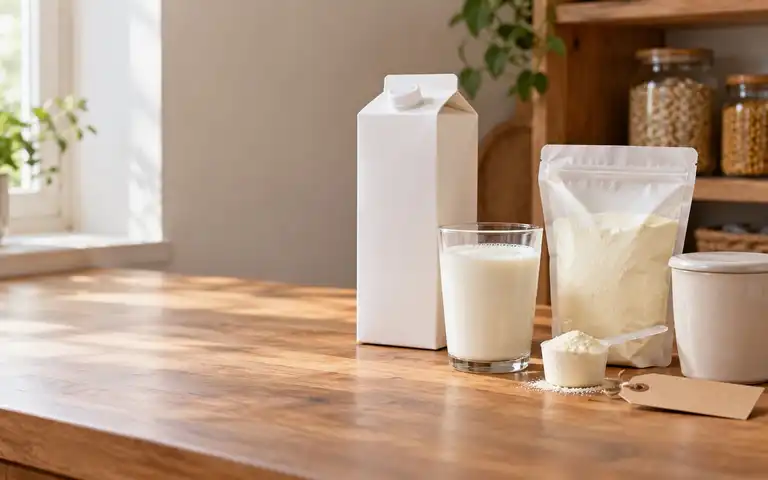
Individual shelf-stable UHT milk tetra-briks (8 oz / 240 mL):
- Yield: 7 individual bricks (1 per day for breakfast).
- Energy: 7 × 150 kcal = 1,050 kcal.
- Storage boundary: Consumed in 5 minutes; zero open-carton refrigeration required.
-
Individual trail mix packets (almonds, raisins, dark chocolate - 2 oz / 57 g):
- Yield: 14 packets (2 per day).
- Energy: 14 × 280 kcal = 3,920 kcal.
- Advantage: Dense portable calories requiring zero prep or hydration.
- Total Caloric Supply: 2,240 + 2,870 + 2,660 + 1,920 + 1,050 + 3,920 = 14,660 kcal (99.7% of target).
- Potable Water Reserve: 1 gallon (3.785 L) per day × 7 days = 7 gallons (58.4 lbs) dedicated strictly for drinking and hand hygiene. Zero water diverted to boiling grains or washing greasy cookware!
Solo emergency food selection and package-size decision matrix
The comparative matrix below outlines emergency food packaging formats, their utility footprint, and specific operating boundaries for a solo household.
| Emergency Ration Format | Typical Package Portion Size | Utility & Water Dependency | Ambient Post-Opening Longevity | Who Should Skip It / Operating Limit |
|---|---|---|---|---|
| Retort Foil Meat Pouches (Tuna, Salmon, Chicken) | 2.6 oz to 5.0 oz (1 serving) | Zero; eat directly from package | Discard immediately if not finished within 2 hours | Skip if: Low sodium is medically mandated; commercial retort fish packets contain 250–400 mg sodium per serving. |
| Single-Serve Pull-Tab Cans (Chili, Stew, Beans) | 7.5 oz to 15 oz (1 hearty meal) | Zero; pre-cooked, ready-to-eat cold | Discard remainder in 2 hours if held at > 40°F (4.4°C) | Skip if: Hand strength or arthritis makes pull-tabs difficult; maintain an ergonomic smooth-edge manual can opener. |
| Nut & Seed Butters (Peanut, Almond, Sunflower) | 16 oz jar (approx 14 servings) | Zero; high lipid density | Stable for 6+ months at room temperature (Aw < 0.60) | Skip if: Allergic to peanuts or tree nuts; substitute certified sunflower seed butter or roasted pumpkin seed butter. |
| Single-Serve UHT Aseptic Milk Bricks | 8.0 oz / 240 mL (1 serving) | Zero; ready-to-pour liquid | Finish in one sitting; discard remainder within 2 hours | Skip if: Lactose intolerant; substitute aseptic unsweetened soy milk or almond milk single-serve cartons. |
| Multi-Serving #10 Survival Cans (e.g., Freeze-Dried Stew) | 10 to 12 servings per large tin | Requires 8–10 cups boiling water; cooking heat mandatory | Once seal is broken, oxygen and moisture degrade food | Skip universally: Never buy multi-serving #10 tins for solo outage kits; opening a 10-serving tin creates unmanageable spoilage. |
When comparing long-term dry goods for household reserves, cross-reference our two-week emergency menu plan for macro-level nutritional modeling.
Make a short personal list
To commission an effective, zero-waste outage food supply for one person, execute this practical setup and rotation checklist:
-
Conduct a portion-calibration shopping audit:
- Walk your local supermarket aisles specifically seeking single-serving package sizes: 3 oz foil pouches, 7.5 oz pull-tab bean bowls, and individual 1.5 oz snack packs.
- Strictly avoid “family size” or club-store multi-pound bulk jars of perishable condiments (mayonnaise, pasta sauce, salsa). Once opened without power, these large jars become vector hubs for mold and bacterial contamination within 48 hours.
- Choose foods you already enjoy consuming cold. A power outage is a stressful psychological event; forcing yourself to swallow unfamiliar survival bars increases stress and induces appetite fatigue.
-
Assemble dedicated solo eating utensils and cleanup tools:
- Pack a dedicated smooth-edge manual can opener that cuts the side of the metal rim rather than the top, leaving zero jagged metal burs and creating a clean reusable lid.
- Include two sturdy, heat-resistant silicone camping spoons, a small box of heavy-duty 1-gallon zipper storage bags, and a 100-count package of antibacterial hand-cleansing wipes.
- Because you will not have running hot water to wash dishes, eat directly from the foil pouch or tin container whenever practical to eliminate dishwashing water requirements entirely.
-
Establish a strict 6-month pantry rotation schedule:
- Set a recurring semi-annual calendar reminder (e.g., during daylight saving time clock changes in March and November).
- Inspect your solo food tote. Pull older retort pouches, nuts, and cracker sleeves forward and consume them during normal weekday lunches.
- Replace them immediately with fresh factory-sealed items. While canned goods last for years, high-fat items like nuts, seeds, and potato crisps undergo oxidative staling within 9 to 12 months in ambient pantry conditions.
-
Implement an odorless sanitation and waste protocol:
- When utility power collapses, municipal sanitation services frequently halt trash collections for days or weeks. Open meat and fish tins attract flies, mice, and raccoons if placed in household trash cans.
- Immediately upon finishing a can of tuna or beans, use a damp wipe to swab out residual food particles. Place the empty tin inside a sealable zipper storage bag before depositing it in your main heavy-duty outdoor trash receptacle.