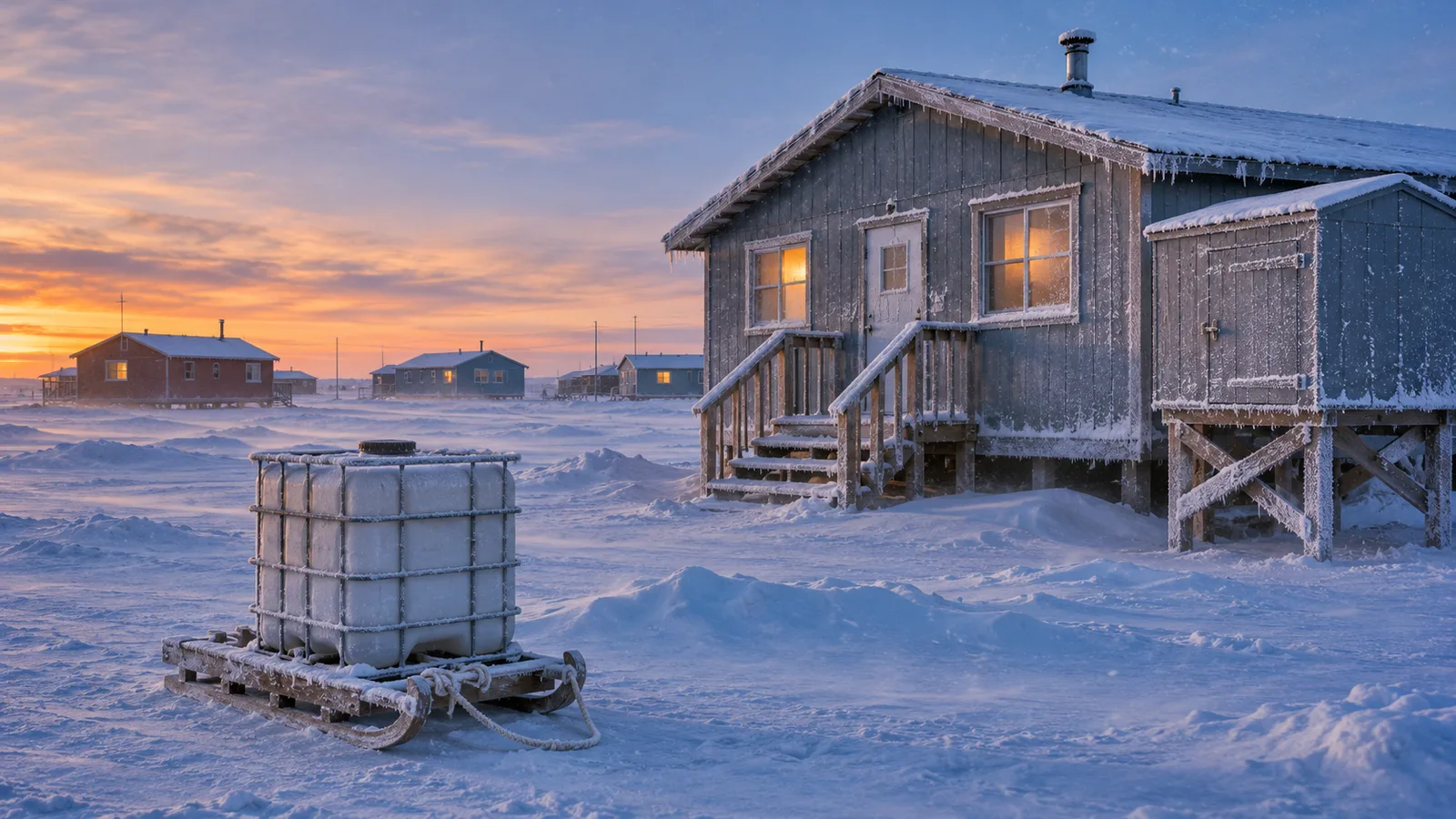
How Alaskan residences survive -50°C (-58°F) blackouts: why No. 1 fuel oil replaces kerosene, Toyotomi Laser direct-vent stoves, PEX glycol loops, and ANTHC haul water.
Climate Air Quality guides
Practical household guidance about climate air quality.
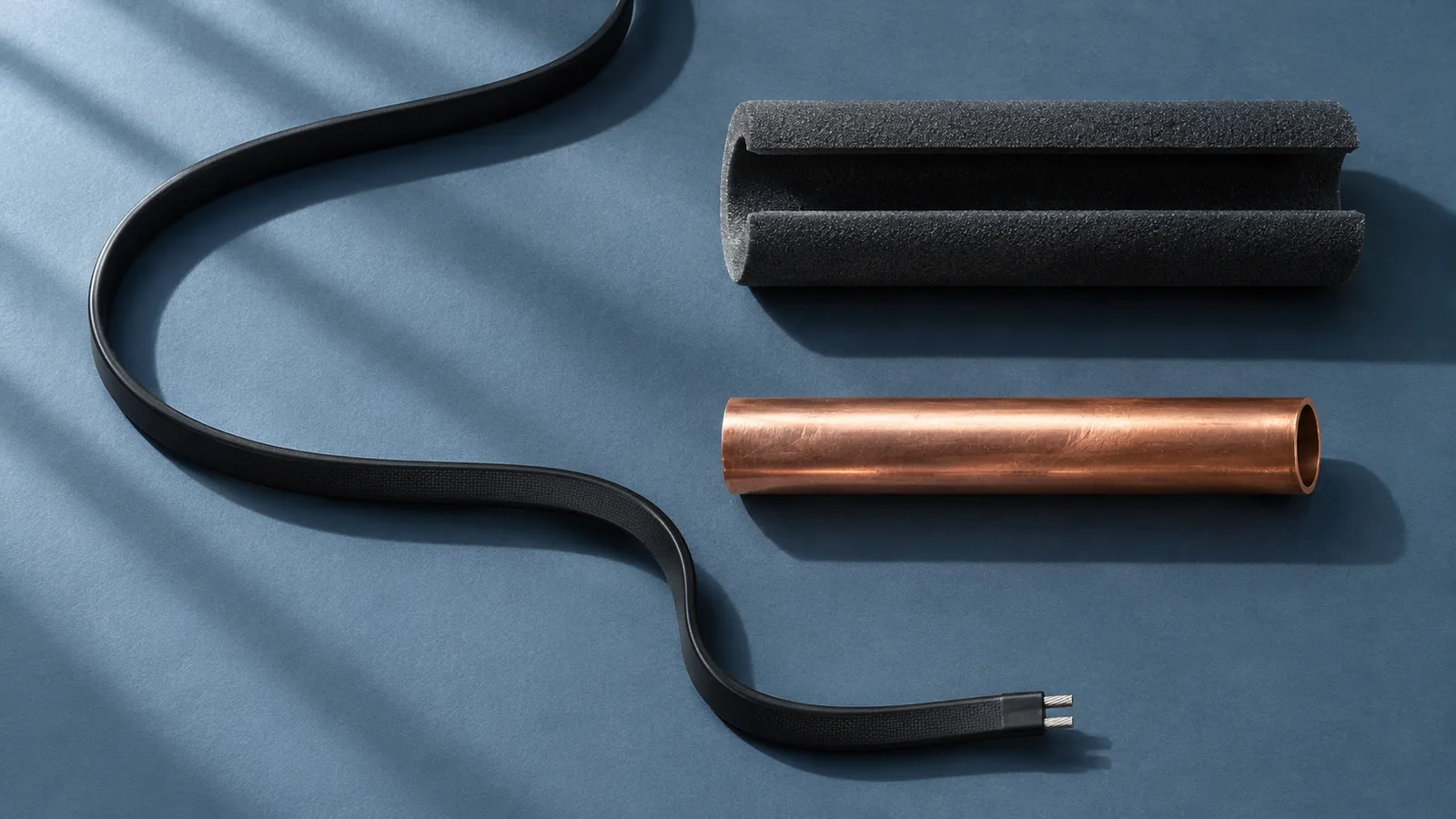
Stop burst pipes automatically. Compare self-regulating heat trace cables (which adjust wattage by pipe temperature and won't overheat) vs. constant-wattage heat tape.
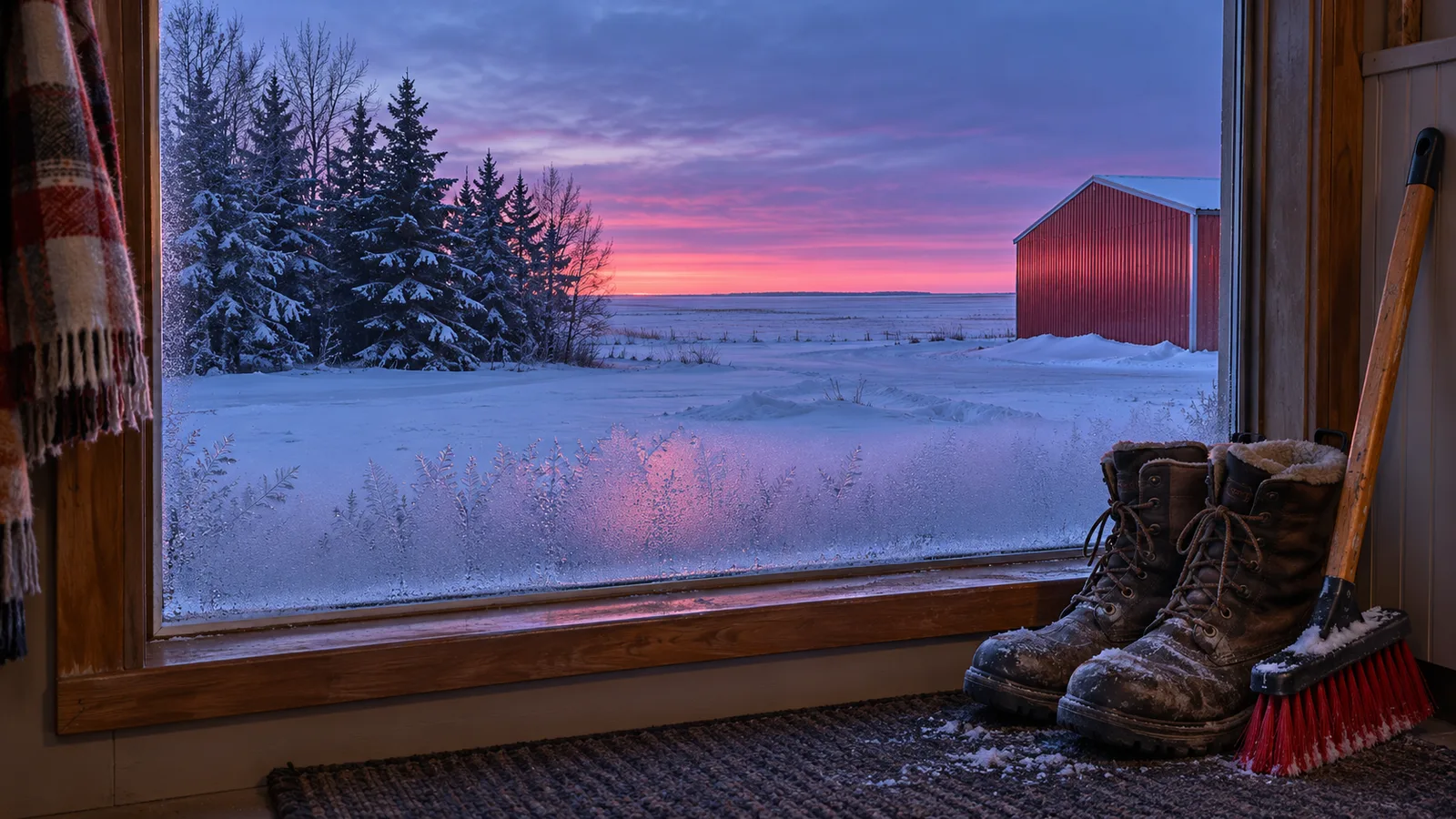
Engineered for -40°C (-40°F) blizzards in Manitoba, Saskatchewan, Alberta, and Northern Ontario: HRV core frost prevention, WETT wood stoves, and AGM vehicle cold-cranking.
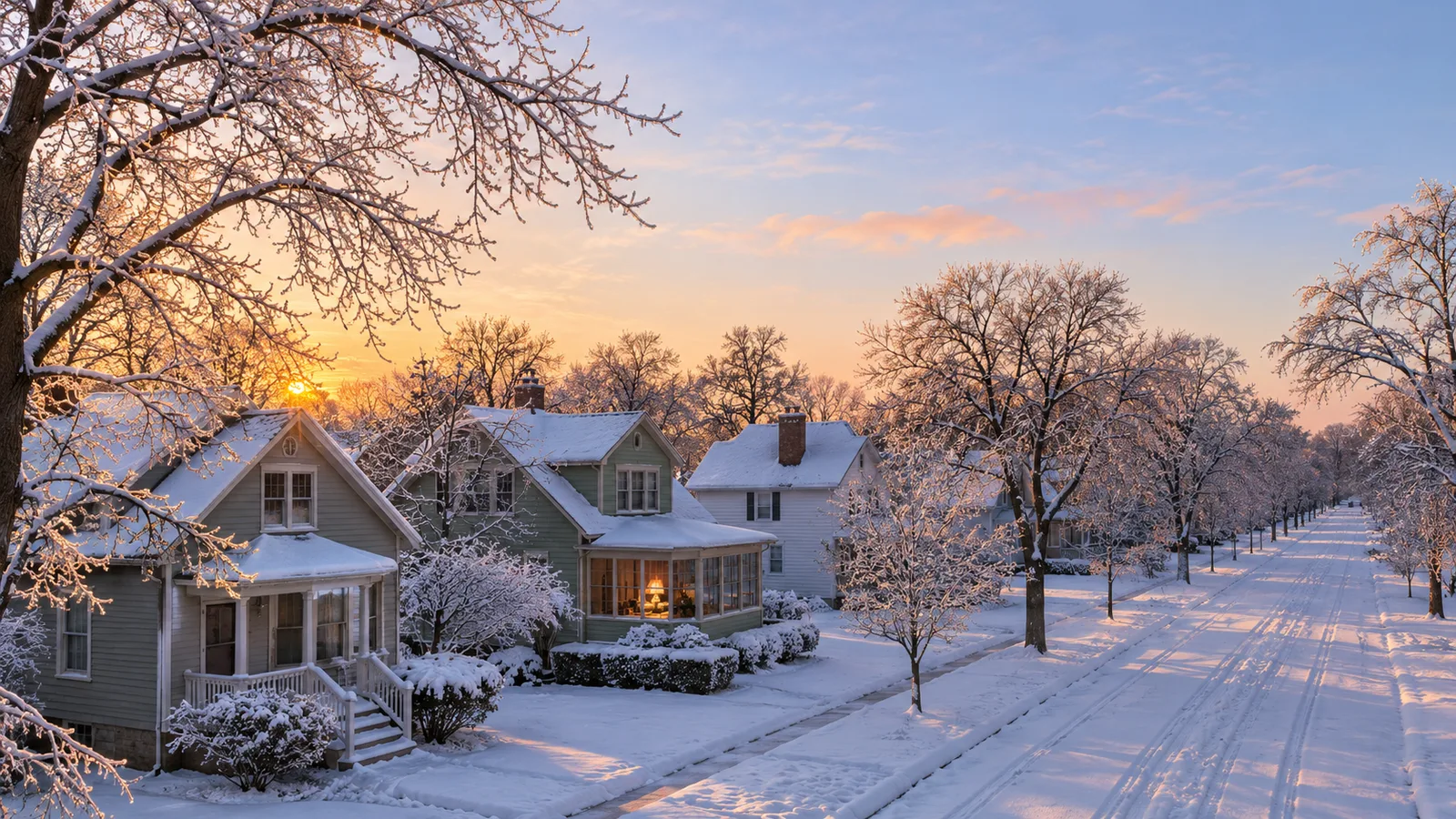
When ice storms snap transmission lines across the Plains and Midwest: wiring a 55 USD furnace transfer switch, building a one-room micro-climate, and draining pipes in 30 minutes.
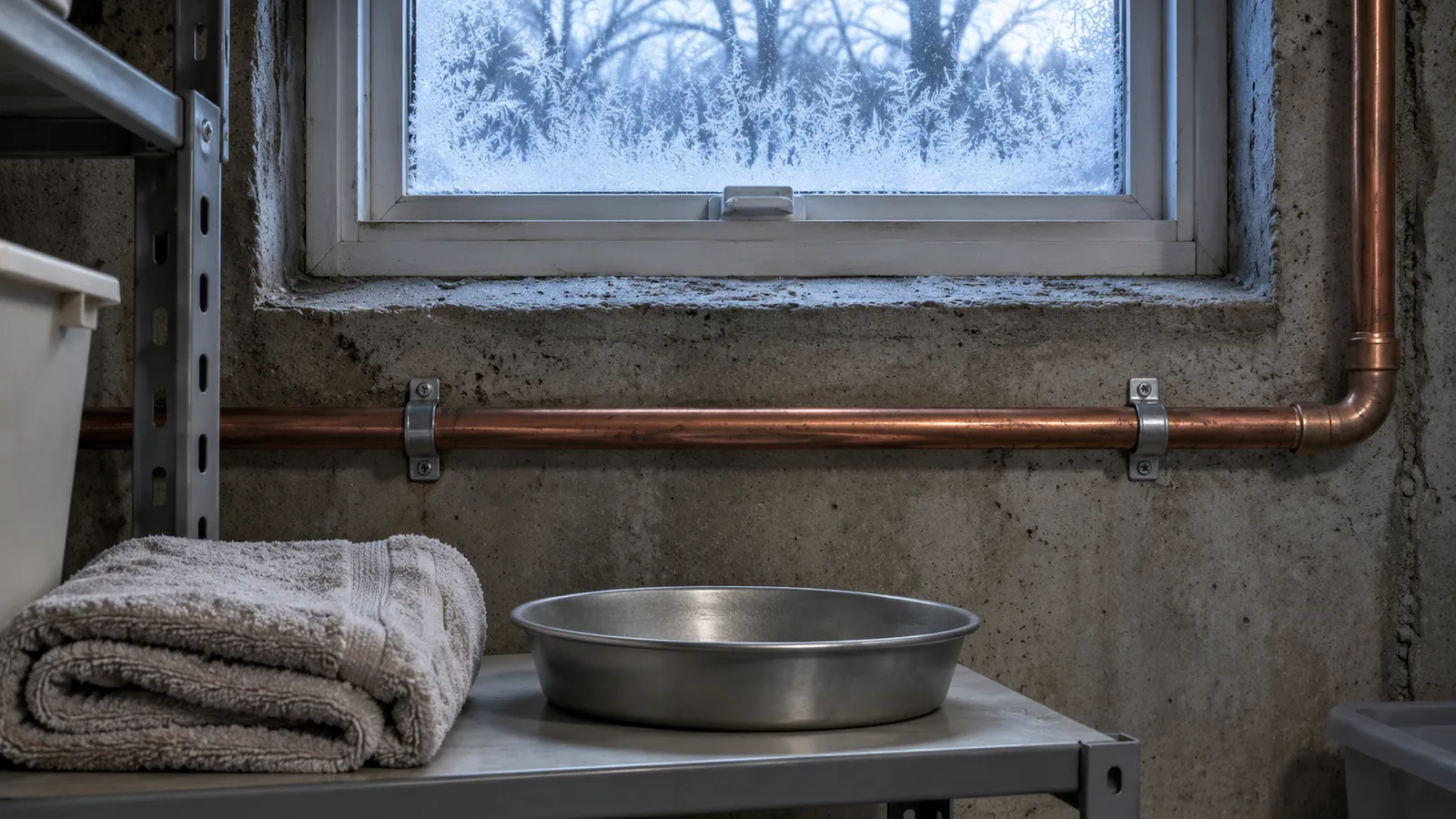
Ice expansion doesn't burst pipes directly—trapped hydraulic pressure between the ice plug and a closed faucet does. Exact safe thawing steps and why open torches burn houses down.
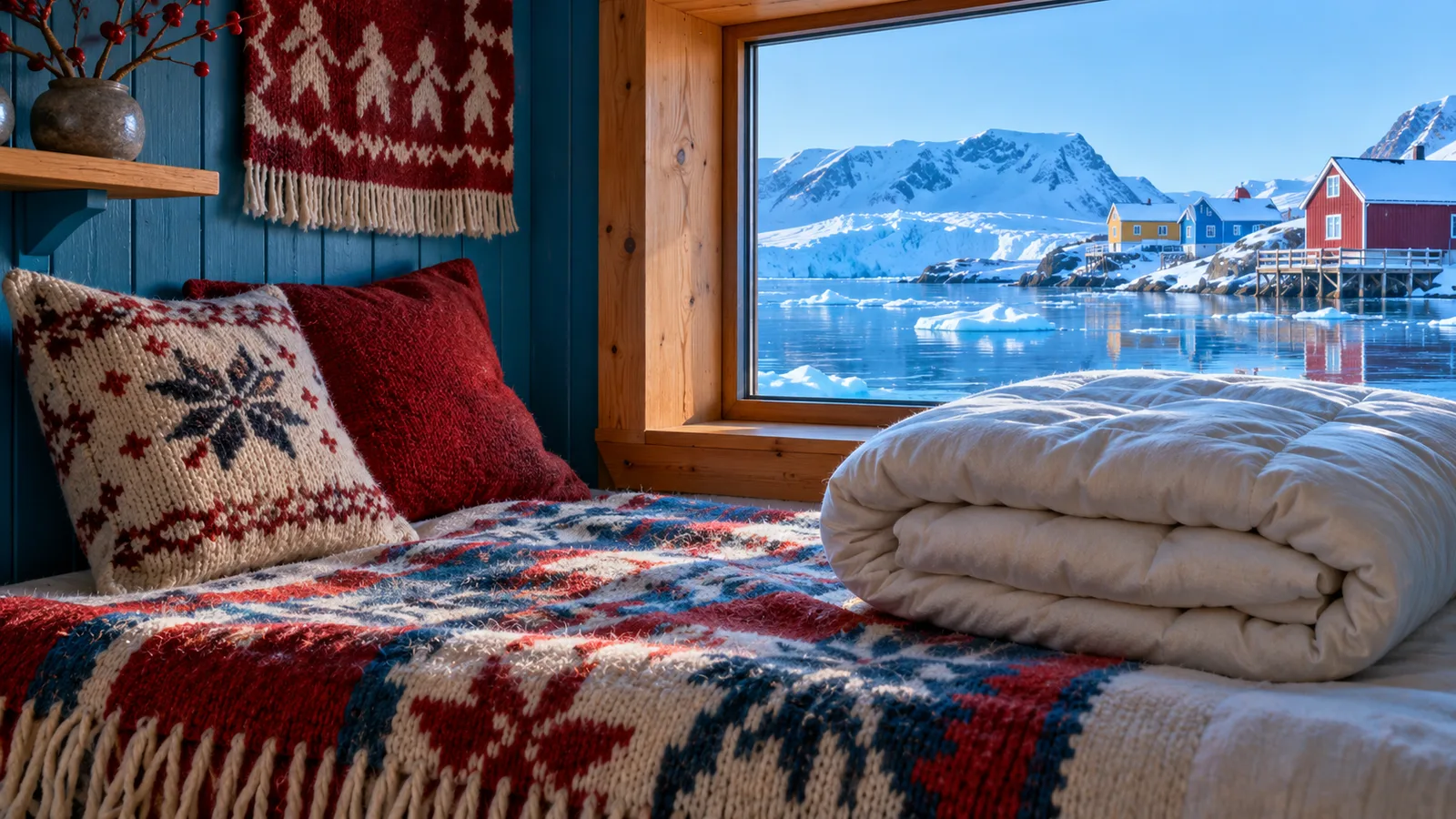
Lessons from Greenland's coastal settlements and Norse history: triple-pane airlocks, adaptive 3-tier arctic bedding, and polar-night circadian lighting.