Home Backup Power Systems: A Practical Planning Guide
Compare battery stations, portable generators, solar-plus-storage, and standby systems by critical loads, outage duration, safe connection, and maintenance.
In this guideJump to a section
INFO
Use this order: list critical loads, estimate running and starting demand, set an outage target, then verify the connection, operating location, fuel or recharge plan, and maintenance before comparing models.
An outage can make one appliance the whole design brief: a refrigerator, sump pump, or medical device may matter more than keeping every room comfortable. The source is only one part of the plan; wiring, operating location, fuel or charging access, maintenance, and the person expected to use the system matter too.
A quiet battery station can be a strong fit for communications and lighting. A combustion generator can support larger loads, but it adds carbon-monoxide, fuel, weather, noise, and connection risks. A permanent battery or standby generator can automate more of the process, but it requires a qualified design, permits where applicable, and a service plan.
This guide helps you create the design brief before you compare products or call an installer. It is planning information, not electrical-installation advice.
1. Define the outcome
Write one sentence that describes what the backup system must do. Examples:
- Keep a refrigerator, a few lights, phones, and a modem available for one day
- Support a sump pump through a storm while preserving a manual fallback
- Keep a well pump and selected household circuits available during a long outage
- Provide a manufacturer-approved backup plan for essential medical equipment
For medical equipment, involve the equipment provider and clinician. A consumer calculator or battery display cannot establish life-safety reliability.
Separate loads into three groups:
- Critical: health, safe access, water, refrigeration, communications, and equipment that prevents immediate property damage.
- Useful: limited cooking, work equipment, fans, or one-room comfort.
- Deferred: central heating or cooling, electric water heating, clothes drying, vehicle charging, and other large loads unless the system was professionally designed for them.
Use appliance labels, manuals, or a suitable plug-in meter to record actual energy use. Motors and compressors also have starting demand. Ask the appliance manufacturer or a qualified electrician when the starting requirement is not clear.
2. Match the system type to the job
| System | Often fits | Main limits to resolve first |
|---|---|---|
| Portable battery power station | Indoor electronics, lights, communications, and compatible small appliances | Finite energy, output and surge limits, recharge time, temperature limits |
| Portable combustion generator | Larger temporary loads where a safe outdoor location and fuel plan exist | Carbon monoxide, weather, noise, fuel storage, maintenance, safe connection |
| Permanently installed battery system | Selected circuits, automatic transfer, solar integration | Listed system, installation location, permits, utility rules, usable backup configuration |
| Standby generator | Automatic or extended backup with an approved fuel supply | Installation, setbacks, fuel availability, service, noise, emissions |
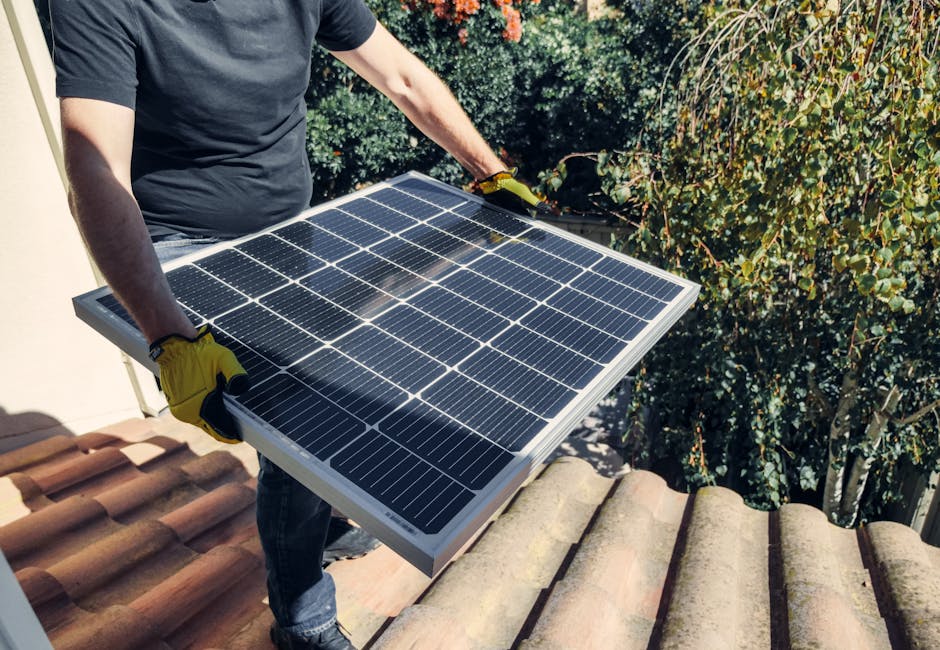
| Solar plus storage | Recharging and extending battery-backed loads when the system can operate during an outage | Solar production varies; many grid-tied systems shut down unless configured for islanded operation |
The Department of Energy explains that ordinary grid-tied solar usually shuts down during a grid outage. Backup operation needs a properly configured inverter and storage system. That distinction should be confirmed in the written system design, not assumed from the presence of rooftop panels.
3. Calculate energy and power separately
Power, measured in watts, determines which loads can run at the same time. Energy, measured in watt-hours, determines how long they can run.
For each load:
measured watts x hours used = watt-hours
Add the watt-hours for the intended outage period. Then account for conversion losses and the usable capacity stated for the exact product. Do not use one universal loss percentage for every battery, inverter, temperature, or load.
For a portable battery, the selector above keeps nameplate energy, reserve, conversion loss, simultaneous load, and output limits separate before comparing source-dated manufacturer specifications. For combustion backup, calculate fuel consumption and runtimes with the Generator Runtime Estimator, and model solar generation with the Solar & Battery Sizing Calculator. Track all household devices using the printable Essential-Load Backup Power Worksheet. Every result is a planning estimate, not compatibility or installation approval.
4. Resolve the safety gates before buying
Combustion generators
The CDC says to operate a portable generator outdoors, more than 20 feet from windows, doors, and vents, with a battery-powered or battery-backup carbon monoxide alarm in the home. Never use one in a garage, basement, shed, porch, or other enclosed or partly enclosed space. See the generator safety guide before choosing a model.
Never power house wiring by plugging a generator into a wall outlet. A transfer switch or interlock for selected circuits must be matched to the home and installed under local requirements by a qualified electrician.
Stationary batteries and home wiring
Residential energy-storage requirements involve the complete system, its listed use, location, spacing, electrical protection, and local fire and building codes. UL explains that residential energy-storage systems are evaluated as systems under UL 9540, while local authorities may require additional evidence or installation conditions. Ask the installer to identify the applicable listing, permit path, inspection, and shutdown procedure in writing.
Do not treat a collection of individually rated cells, an inverter, and a BMS as equivalent to a listed residential system. Read the DIY battery planning guide before deciding how far to take a component-built project.
5. Plan for the limiting resource
A generator plan is limited by safely stored fuel, actual fuel consumption, cooling and refueling instructions, and the ability to obtain more fuel. A battery plan is limited by usable energy, output, temperature, and recharge access. A solar plan is limited by season, shade, weather, array orientation, and the product’s accepted solar input.
Write down the failure point:
- What happens if the outage lasts twice as long?
- Which load is turned off first?
- What works if the internet and cellular network are unavailable?
- Who can operate the system safely?
- Where is the manual, shutdown procedure, and service contact?
A layered plan can be useful when each layer has a clear job. For example, a small battery station can keep communications available while a generator is off, or solar can extend selected battery-backed loads when weather allows. Do not connect systems together unless their manufacturers explicitly support that configuration.
6. Commission the plan on an ordinary day
Run a controlled test before outage season. Use the exact cords, circuits, and loads in the plan. Confirm that motor loads start, alarms remain available, and the system does not overheat or trip. Record starting state, loads, elapsed time, remaining energy or fuel, and any unexpected shutdown.
Stop the test if equipment becomes unusually hot, smells abnormal, displays a fault, or behaves differently from the manual. A successful short test is not a guarantee of long-outage performance, but it can expose a missing adapter, weak battery, stale fuel plan, or unrealistic load list.
Set maintenance reminders from the exact manuals. Storage charge, oil service, fuel care, firmware, alarm replacement, and cold-weather limits vary by product.
Take a one-page load brief to the installer
Write the one-sentence outcome, critical-load list, operating location, and fallback on one page. Take that brief—not a product screenshot—to the installer, authority, or current manuals needed for the system you are considering.
Primary sources
Keep this guide handy
Save it to Pinterest, copy the page address, or send it to someone in your household.