Gas Furnace Backup Power: What to Record Before Choosing a Source
Gather the exact furnace and blower electrical data, control requirements, and connection questions a qualified contractor needs for an outage plan.
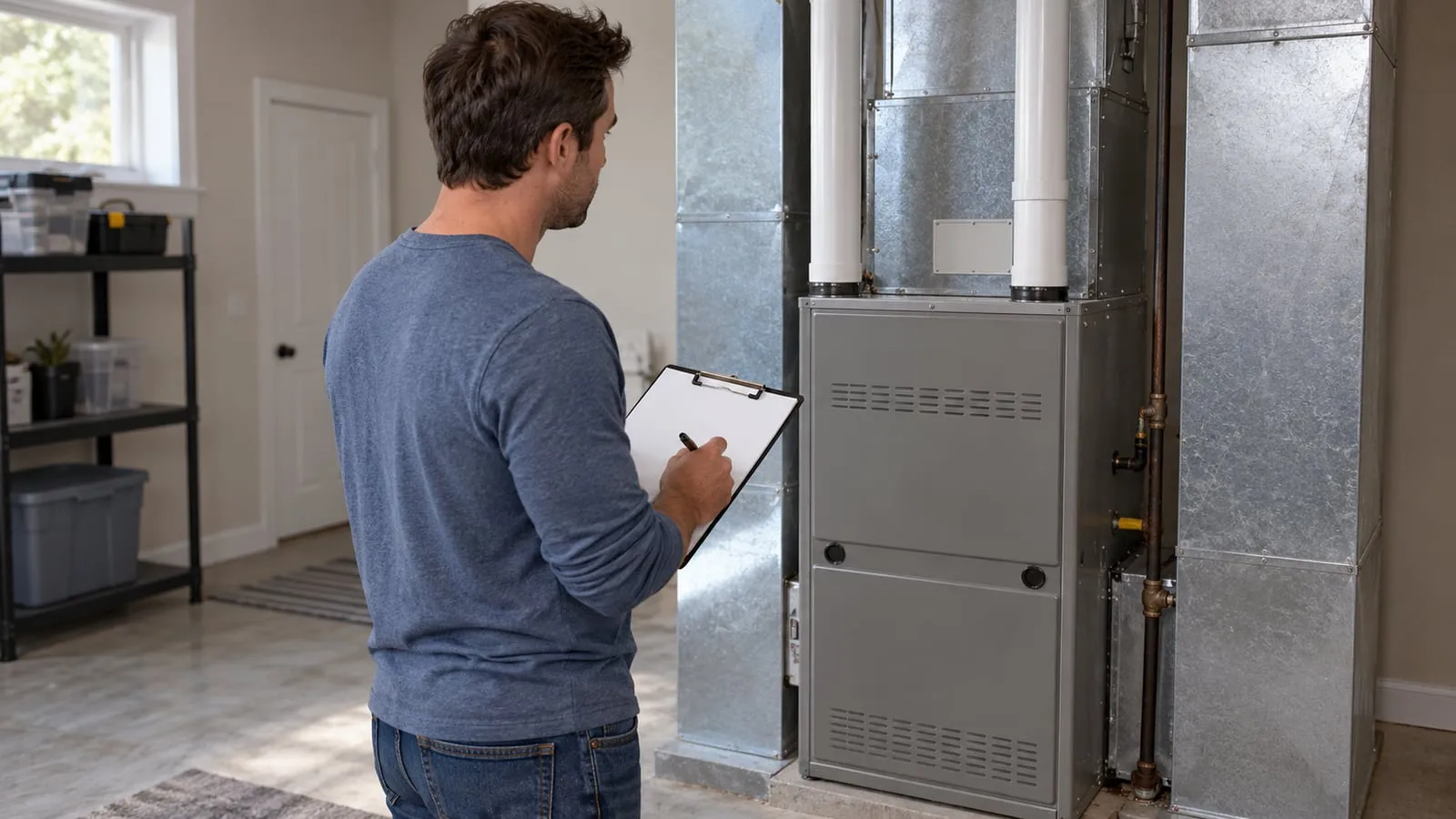
“The furnace runs on gas” does not answer whether heat will work during a power outage. A modern gas furnace commonly uses electricity for its controls and moving parts, and the connected system may include additional equipment. Your first job is to identify the exact system and collect its labels—not to select a generator from a generic watt estimate.
The U.S. Department of Energy’s furnace technical record identifies electrical components including the inducer fan, ignition, gas valve, controls, and circulating fan, and discusses condensate pumps and heat tape for some condensing furnace configurations. Your own accessory list must come from the installed system’s manuals, labels, or service records; a household cannot treat burner fuel as the whole backup-power load, and a qualified assessment establishes what must be supplied.
Build a furnace data packet
With the equipment off and without removing covers, record or photograph information already visible to a household member. Do not open panels or touch wiring to find it.
| Item | What to capture | Why it matters |
|---|---|---|
| Furnace | Manufacturer, full model and serial, manual link, fuel type | Exact manual and service history depend on the model |
| Electrical label | Voltage, phase if listed, amperage or watts, circuit information | Establishes the marked electrical requirements, not necessarily startup behavior |
| Connected components | Names and models recorded in installed-equipment manuals, labels, or service records | A furnace label may not describe every connected load |
| Operating sequence | Which controls and fans operate during heat and what normally shuts down | Helps HVAC professional identify simultaneous and startup loads |
| Existing connection | Breaker/circuit label, any existing approved transfer equipment, and installer paperwork | A panel label alone does not establish a safe generator connection |
| Household need | Rooms or occupants that depend on heat, indoor temperature limits, medical needs, and leave-by trigger | Supports a realistic outage plan beyond equipment selection |
Ask the licensed HVAC contractor or equipment manufacturer for written answers to these questions:
- What is the exact electrical demand for the complete heating system during startup and steady operation, including the accessories listed in its installed-system records?
- Does this furnace require a particular voltage, waveform, neutral/ground arrangement, or other power quality condition?
- Which backup connection method is approved for this equipment and jurisdiction, and who must install or inspect it?
- What test can be performed before winter to confirm reliable startup and normal shutdown without bypassing safety controls?
- What is the safe response if power returns during operation, the furnace locks out, or indoor temperature continues to fall?
Use a connection boundary, not a workaround
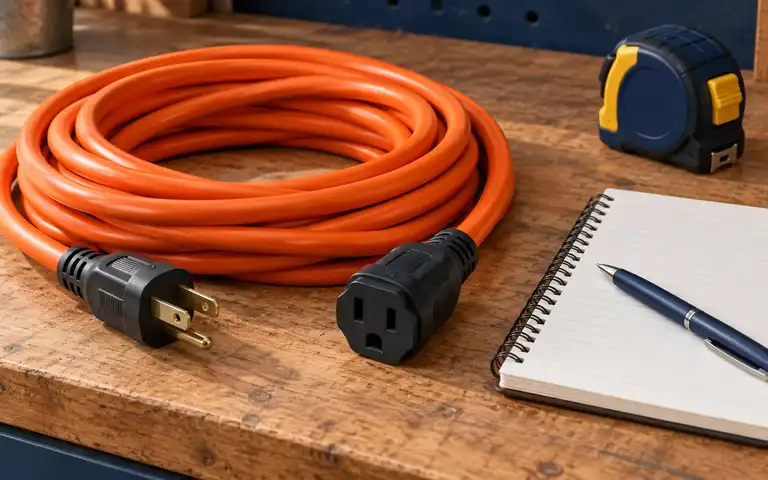
Do not plug a furnace into a generator outlet with an improvised cord or energize household wiring through a wall receptacle. The CPSC generator alert warns that backfeeding can create electrocution and fire hazards. A hardwired furnace or selected household circuit needs a properly designed, code-compliant connection confirmed by a qualified electrician and HVAC professional. A portable generator also remains an outdoor combustion appliance: follow CDC placement guidance and the exact generator manual.
Even after backup power is available, a furnace may fail because of fuel interruption, a blocked vent, equipment fault, or a household electrical issue. Keep the manufacturer’s normal service and shutdown instructions available. If the home cannot remain safely warm, use the household’s relocation plan rather than experimenting with wiring or combustion equipment.
Example: a useful call to the contractor
“We have a [manufacturer/model] gas furnace with a [model] air handler. The visible label says [voltage and marked current]. The system also has [known condensate pump/accessories]. Can you identify total startup and running requirements and confirm an approved backup connection for our panel? We will not connect it until the equipment and electrical professionals approve the design.”
Do not fill the brackets with an internet estimate. If the labels are inaccessible, ask the service company to retrieve the data from its records or inspect the unit.
Before-cold-weather checklist
- Exact furnace and connected-equipment models are recorded.
- The manufacturer manual and service contact are saved offline.
- Startup and steady electrical requirements are confirmed for the complete system.
- A qualified professional has approved and documented the connection method.
- The backup source has been tested with the intended equipment and its own manual followed.
- CO alarms, generator location, fuel plan, and household leave-by conditions are documented.
Bring the packet to an HVAC/electrical appointment, then use the portable generator selection guide only after those equipment-specific requirements are known.