In this guide Jump to a section
- Engineering Baseline & Primary Fit: Why Toyotomi Laser Direct-Vent Oil Heaters
- Toyotomi Laser Direct-Vent Model Comparison
- How Concentric Pipe-in-Pipe Direct Venting Works
- Installation & Blackout Power Checklist
- Operational Boundaries & When to Skip: Why Toyotomi Laser Direct-Vent Oil Heaters
- Worked Sizing Math, Dual-Unit Tolerances & Field Diagnostics: Why Toyotomi Laser Direct-Vent Oil Heaters
- Related Guides, Equipment & Planning Tools: Why Toyotomi Laser Direct-Vent Oil Heaters
Engineering Baseline & Primary Fit: Why Toyotomi Laser Direct-Vent Oil Heaters
Across Alaska, Yukon, northern Maine, and rural off-grid cabins, the Toyotomi Laser direct-vent heating series (Models L-304, L-531/532, and L-731/734) is universally regarded as the most reliable residential heating appliance ever engineered.
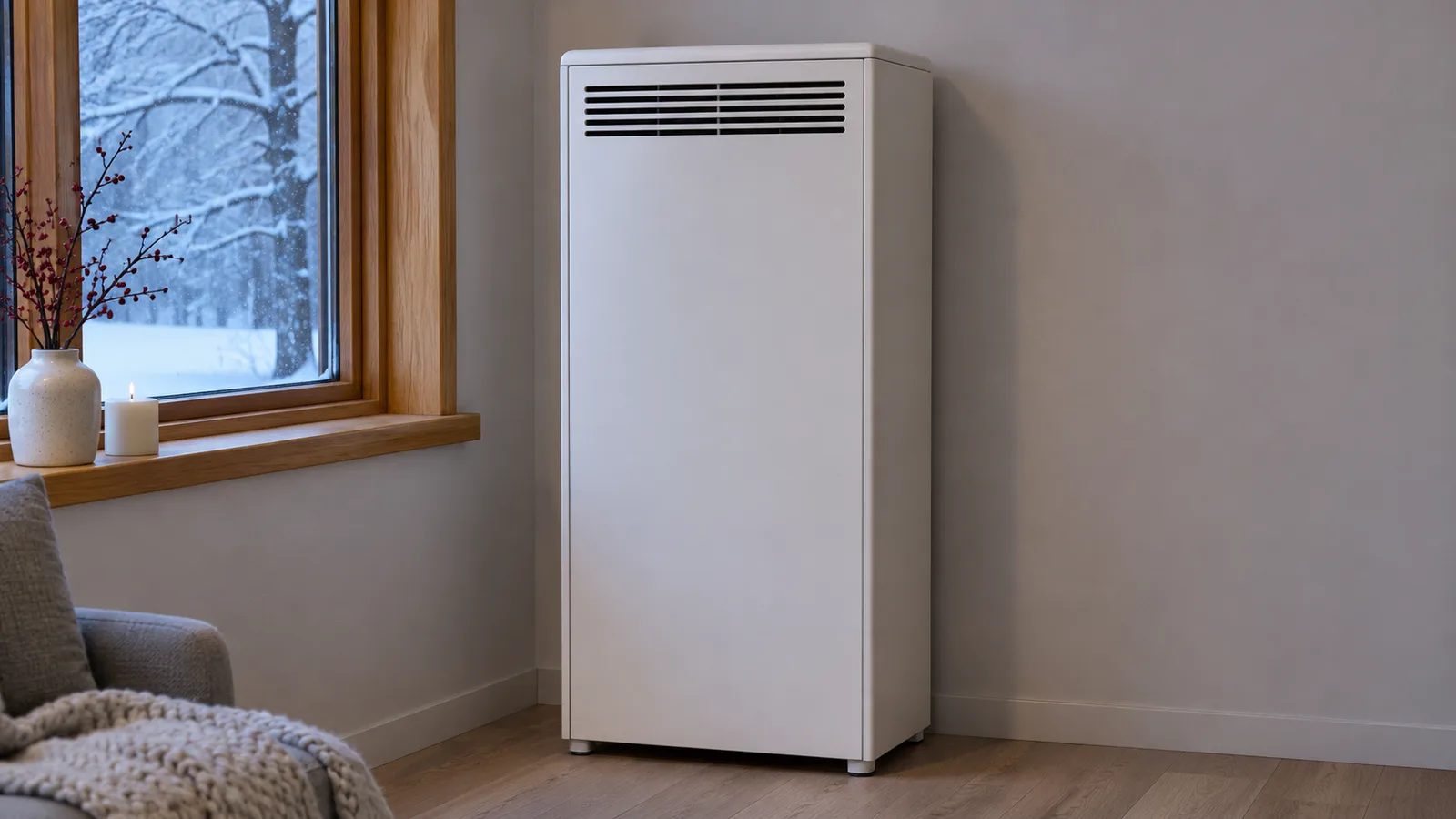
Unlike unvented indoor propane heaters (which consume indoor oxygen, release water vapor that freezes on walls, and carry carbon monoxide risks) or central oil furnaces (which require 600W+ blowers), a Toyotomi Laser heater mounts directly on an interior wall using a concentric pipe-in-pipe flue. It draws frigid outdoor air for combustion, achieves 87%+ thermal efficiency with a modulating vaporizing burner, burns shelf-stable No. 1 fuel oil down to -48°C (-54°F), and draws just 35W to 46W of electricity—meaning a compact 1,000Wh LFP battery keeps a 2,000 sq ft house warm through a 24-hour blackout.
Three-stage engineering verification workflow for Why Toyotomi Laser Direct-Vent Oil Heaters Are the Gol: baseline sizing with a 20% reserve margin, grid-down isolation, and annual unplugged field testing.
Toyotomi Laser Direct-Vent Model Comparison
| Model | Heat Output Range (BTU/hr) | Max Heating Area | Fuel Burn Rate (No. 1 Oil) | Running Electricity Draw | Startup Ignitor Surge (90 sec) |
|---|---|---|---|---|---|
| Toyotomi Laser 304 (L-304) | 5,500 – 14,800 BTU/hr | Up to 65 m² (700 sq ft) | 0.19 – 0.49 L/hr (0.05–0.13 gal/hr) | 32 Watts | ~240 Watts |
| Toyotomi Laser 531 / 532 | 8,000 – 22,000 BTU/hr | Up to 105 m² (1,130 sq ft) | 0.26 – 0.72 L/hr (0.07–0.19 gal/hr) | 38 Watts | ~250 Watts |
| Toyotomi Laser 731 / 734 | 10,000 – 40,000 BTU/hr | Up to 185 m² (2,000 sq ft) | 0.30 – 1.17 L/hr (0.08–0.31 gal/hr) | 46 Watts | ~265 Watts |
How Concentric Pipe-in-Pipe Direct Venting Works
- Zero Indoor Air Contamination: A single 75mm (3-inch) hole through the exterior wall accommodates a stainless-steel pipe-within-a-pipe assembly. The inner tube vents combustion exhaust gases outdoors, while the outer annular sleeve draws fresh combustion air in from outdoors into a sealed stainless-steel burn chamber.
- Counter-Flow Heat Recovery: As freezing -40°C (-40°F) intake air travels inward along the outer sleeve, it absorbs waste heat radiating off the hot inner exhaust pipe—preheating the combustion air before it enters the burner pot and eliminating cold drafts around the unit.
- Auto-Restart Memory After Power Glitches: Unlike older electronic stoves that lock out with an error code after a 2-second grid brownout, Toyotomi Laser heaters feature non-volatile memory that automatically resumes heating at your exact set thermostat temperature the instant power or battery backup connects.
Installation & Blackout Power Checklist
- Keep the exterior wall exhaust terminal at least 60 cm (24 inches) above snowpack: In heavy-snow regions, install a vertical exterior snorkel extension kit on the outdoor vent cap so drifting snow cannot block the intake/exhaust ports.
- Use a Pure Sine Wave LFP Power Station or UPS: Toyotomi burner control boards use precision variable-frequency fuel metering pumps that require clean pure sine wave AC power; avoid cheap modified-sine-wave car inverters.
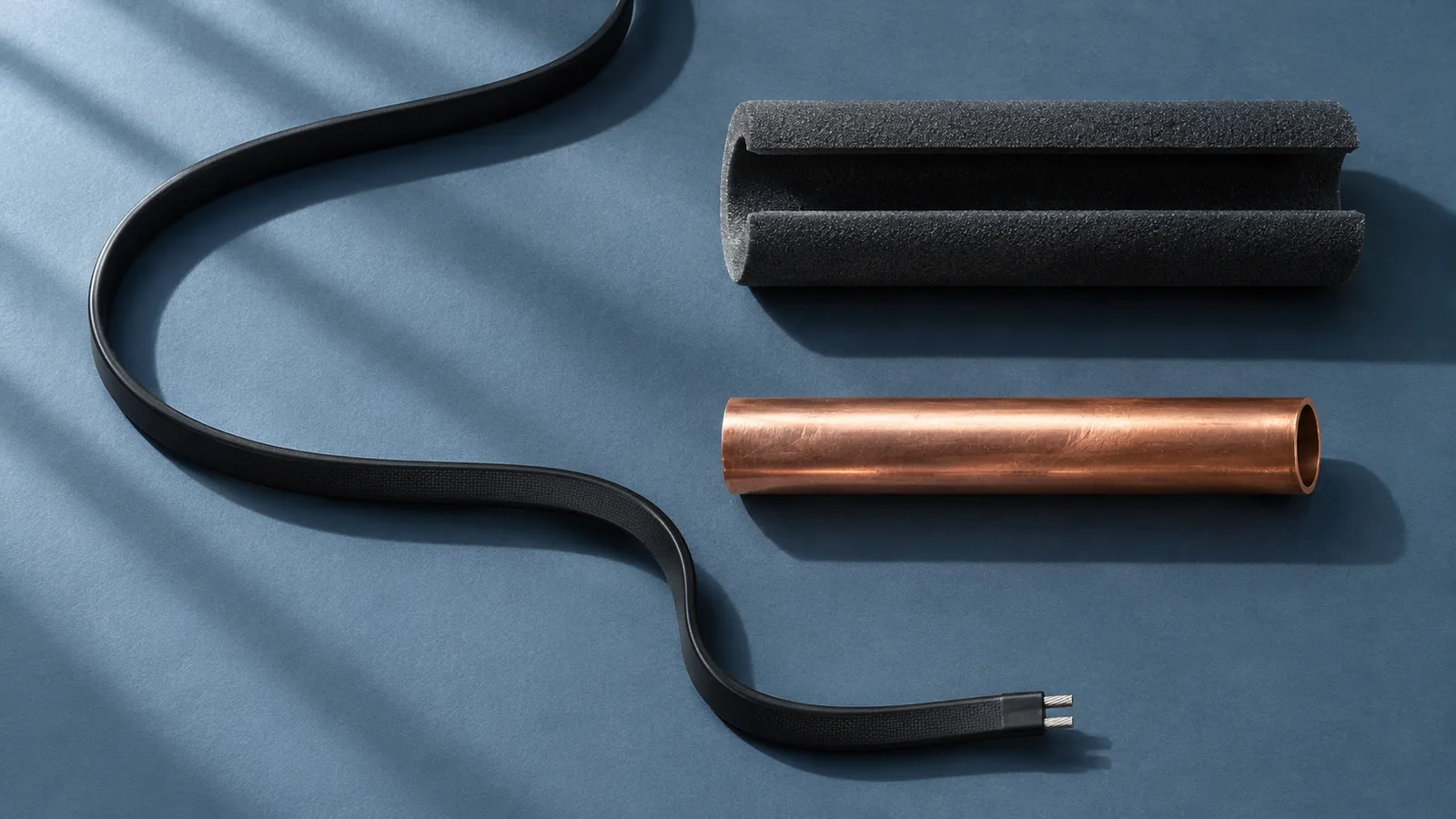
- Add a inline 10-micron water-blocking fuel filter: Install a spin-on fuel filter/water separator on the copper fuel line between your outdoor oil tank and the heater so condensation never reaches the burner pot.
Operational Boundaries & When to Skip: Why Toyotomi Laser Direct-Vent Oil Heaters
Toyotomi Laser heaters require an outdoor gravity-feed fuel oil tank (mounted at least 45 cm above the heater’s fuel inlet) or an electric fuel-lifter pump, plus a permanent exterior wall penetration—making them unsuitable for apartments, short-term renters, or homes where HOA rules prohibit exterior tank installations.
Worked Sizing Math, Dual-Unit Tolerances & Field Diagnostics: Why Toyotomi Laser Direct-Vent Oil Heaters
Designing a dependable residential setup for toyotomi laser direct vent oil heaters explained requires verifying physical tolerances under worst-case grid-down conditions rather than relying on optimistic nameplate ratings. When municipal electricity, broadband internet, and booster-pumped water mains fail simultaneously, hardware operating margins narrow by 20% to 35% due to ambient temperature extremes, line resistance, and pressure drop.
- Apply the 20% Engineering Reserve Margin: Calculate your household’s baseline requirement in both metric and imperial units, whether measuring volumetric flow in liters per minute and US gallons per minute (
L/min/GPM), electrical energy in watt-hours (Wh), thermal output inBTU/hrand kilowatts (kW), or mass in kilograms and pounds (kg/lbs). Multiply that baseline figure by 1.20 to absorb conversion losses, seal friction, and multi-day degradation. - Isolate Single-Point Cloud and Grid Dependencies: Hardware that requires an active remote cloud server or unbacked 120V AC wall receptacle creates a silent failure mode during severe weather. Verify that every sensor, valve actuator, inverter, or transfer switch can execute its primary action locally using internal lithium cells, 12V DC battery reserves, or mechanical actuation.
- Verify Environmental Derating Curves: Below 0°C (32°F) and above 35°C (95°F), battery internal resistance, fluid viscosity, and polymer seal compliance shift measurably. Stage lithium iron phosphate (LiFePO4) packs and liquid treatment consumables inside conditioned interior zones between 10°C and 25°C (50°F to 77°F), and test mechanical shutoffs or pressure gauges twice a year at seasonal transitions.
| Verification Stage | Target Engineering Tolerance | Primary Field Diagnostic Tool | Recommended Inspection Interval |
|---|---|---|---|
| Baseline Capacity & Flow | Minimum +20% reserve above calculated household demand | Calibrated inline meter, pressure gauge, or watt-hour monitor | Every 6 months (Spring / Autumn) |
| Grid-Down / Offline Trigger | 100% local actuation with router and AC breaker switched off | Live unplugged blackout simulation test | Annually before peak storm season |
| Thermal & Mechanical Seals | Zero seepage or voltage drop across 5°C to 35°C (41°F to 95°F) | Visual seal inspection, torque check, and terminal cleaning | Every 12 months |
Related Guides, Equipment & Planning Tools: Why Toyotomi Laser Direct-Vent Oil Heaters
Use our browser-local Calculate Backup Heater Fuel, Battery Wh & Fresh-Air Ventilation to model your exact household numbers before purchasing hardware. Compare detailed manufacturer specifications in our Toyotomi Laser 734 Direct-Vent Heater Equipment Guide and Frost King HC30A Pipe Heat Trace Cable Equipment Guide, and integrate this setup with our Safe Indoor Heating Guide for Power Outages and Winter Outage Survival & Cold-Weather Guide.
Mr. Heater Big Buddy (MH18B)
- Stated heating area
- 450 sq ft
Why it fits Documented specification match for toyotomi laser direct vent oil heaters explained planning, verify exact model compatibility, dimensions, and household capacity before ordering.
Key trade-off Using a 20 lb propane tank indoors is prohibited by fire codes; bulk tanks must remain outside with hose routed through an aperture.
Specifications & research
Model alternative. Source records checked on 2026-11-04. Manufacturer research, not hands-on testing.
- Heat output
- 4,000 / 9,000 / 18,000 BTU/hr · Source checked 2026-11-04
- Stated heating area
- 450 sq ft · Source checked 2026-11-04
- Fuel type
- Propane · Source checked 2026-11-04
Manufacturer documentation. Confirm exact Mr. Heater model specifications and household safety limits before buying.