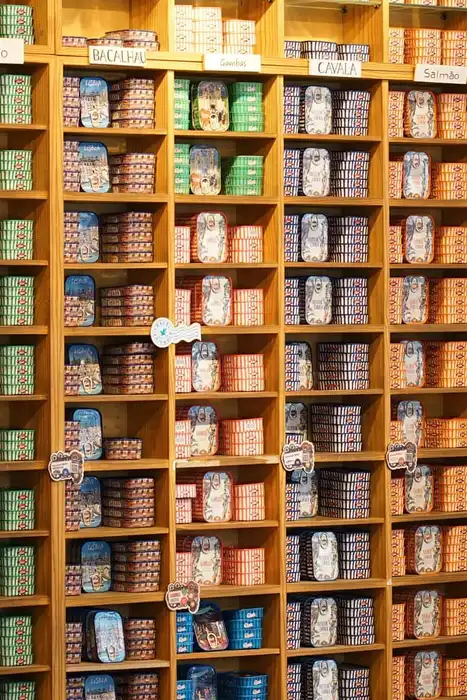
Use can shape, seam damage, swelling, leakage, and rust depth to decide whether a commercial can is intact enough to keep. Never taste food from a suspect container.
Food Safety guides
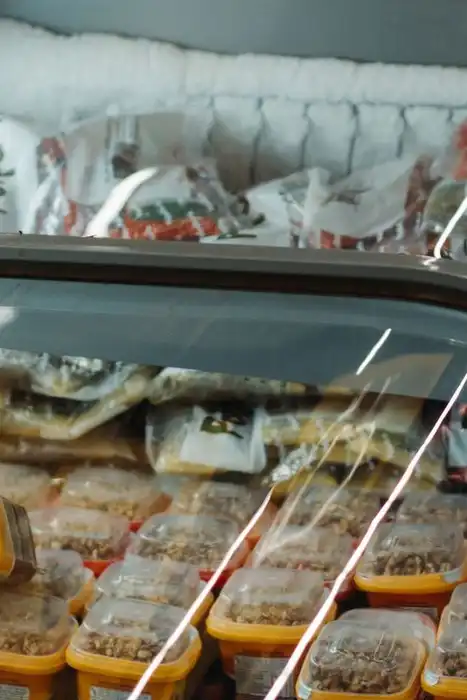
Compare dry ice with ordinary ice and other cold-storage options, check handling and ventilation limits, and prepare a supplier-and-appliance checklist.

Use a stirred ice-water slurry to check many food thermometers, then follow the exact model instructions to adjust, replace, or use a thermometer that cannot be calibrated.

Check refrigerator and freezer temperatures with the right thermometer, distinguish a control setting from a measurement, and keep a useful record before an outage.
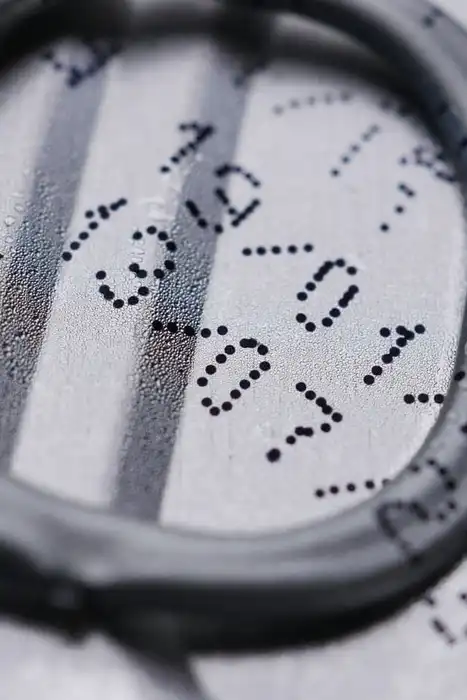
Understand common U.S. food date labels, what they usually say about quality, and why infant formula and food-safety handling need separate attention.
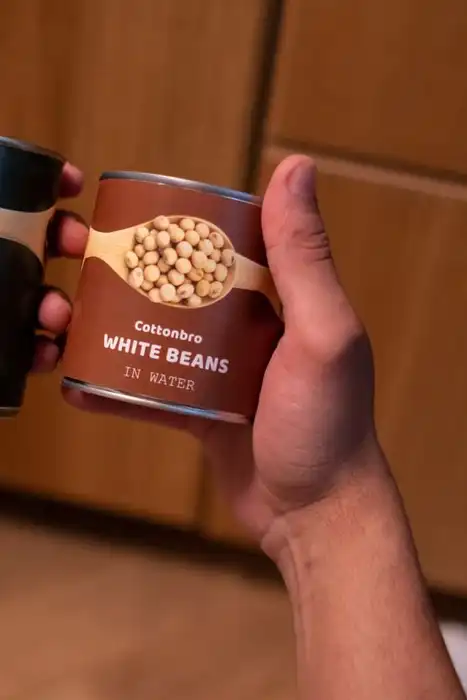
Compare the official recall notice with the exact product, package, lot or date code, then isolate it and follow the notice's return, disposal, and cleaning steps.