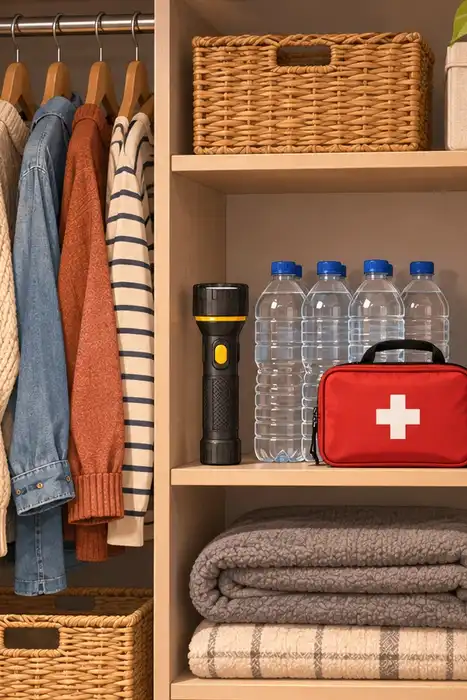
For a one-closet apartment kit, keep the first flashlight and portable bag easy to reach, place heavy sealed water on an appropriate stable lower surface, and label food, batteries and contact updates. Avoid blocking building exits, sprinkler controls, electrical panels or accessible routes.
Household emergency planning guides
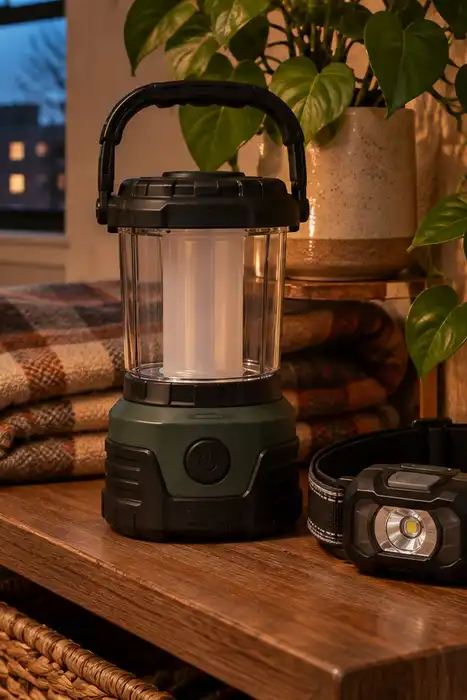
For a rental, start with reachable flashlights in sleeping areas and portable, low-glare LEDs for exit paths. Verify rechargeable batteries and avoid fire hazards like candles during outages.
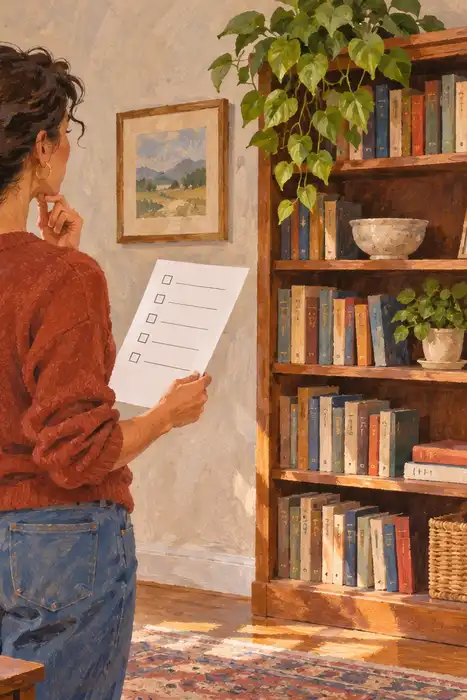
Tall bookcases, dressers and storage racks can tip during an earthquake and block exits. Move heavy breakable items lower, keep tall furniture away from beds and travel routes where feasible, and secure appropriate items to structural framing with correctly rated hardware.
Preventing avoidable household water damage starts with accessible checks: look and listen for drips, running toilets, damp hoses, appliance connections and recurring wet spots; compare water-bill trends and know who controls the main shutoff.
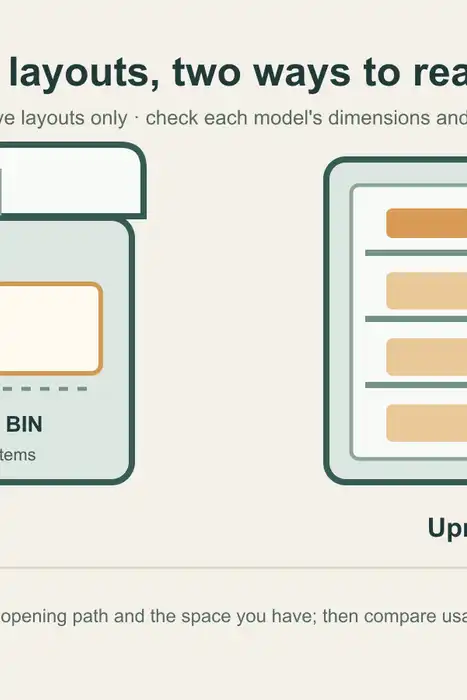
A freezer can fit its capacity into the room and still be awkward to use. Compare the opening, access, and exact model details before choosing a chest or upright layout.
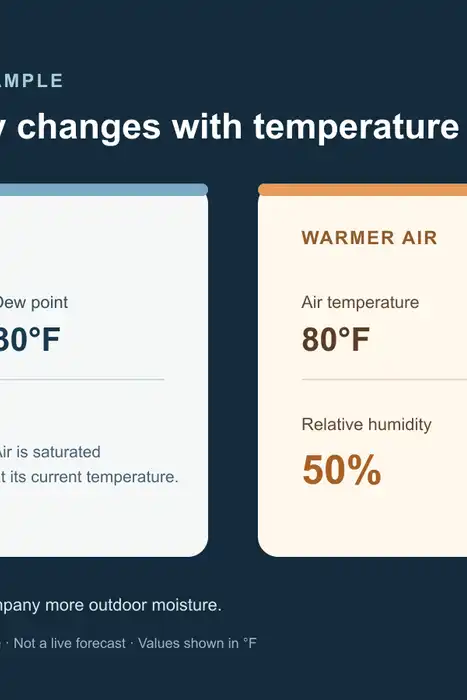
Relative humidity changes with air temperature. Compare it with dew point to understand how two outdoor forecasts can have different moisture content, then keep indoor readings separate.