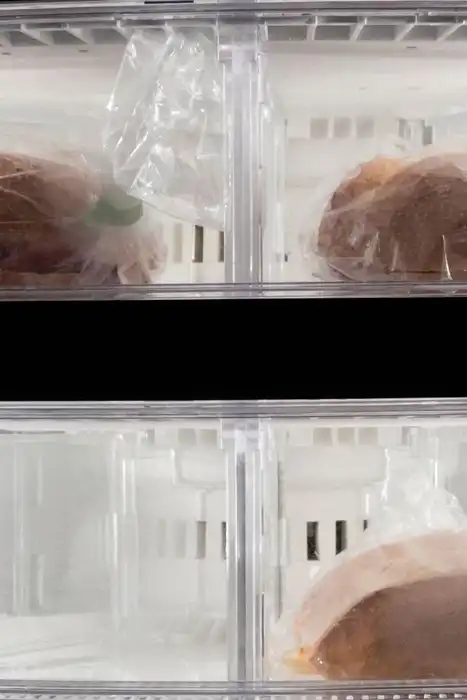
A refreezing decision table for food thawed in the refrigerator, cold water, microwave, or a freezer that warmed during an outage.
Emergency food and cooking guides
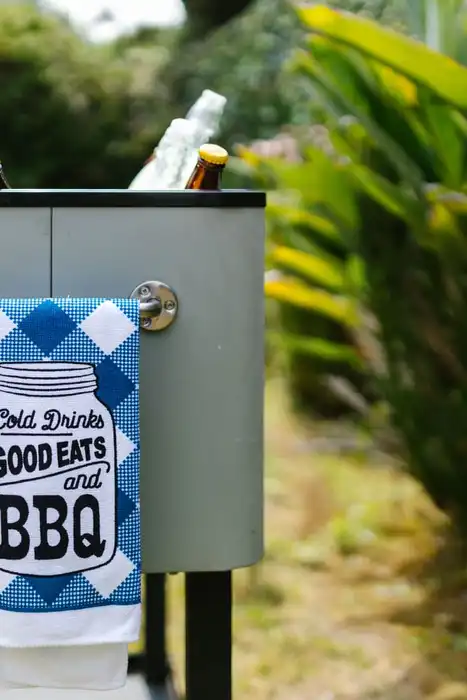
Plan cold sources, separate drinks from perishables, pack a thermometer, and decide what to do if transported food rises above safe refrigerator temperature.
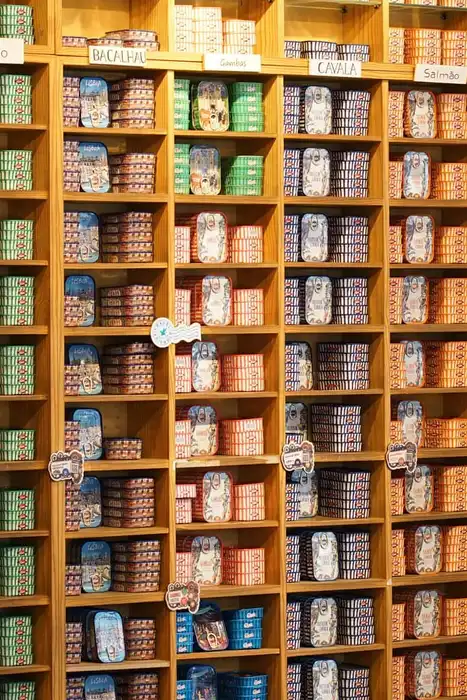
Use can shape, seam damage, swelling, leakage, and rust depth to decide whether a commercial can is intact enough to keep. Never taste food from a suspect container.
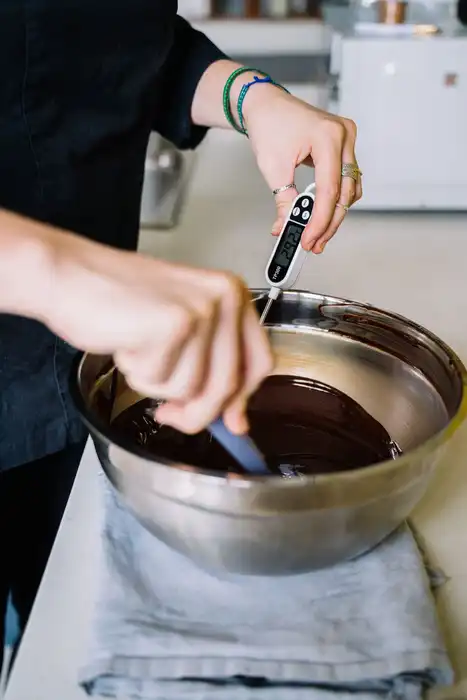
Use a stirred ice-water slurry to verify food probe accuracy at 32°F, calculate sensor immersion depths, and follow exact mechanical adjustment or replacement steps.
Prepare a short food-allergy emergency plan with familiar labeled foods, storage and cross-contact questions, medication instructions, and a shelter handoff.
Understand common U.S. food date labels, what they usually say about quality, and why infant formula and food-safety handling need separate attention.