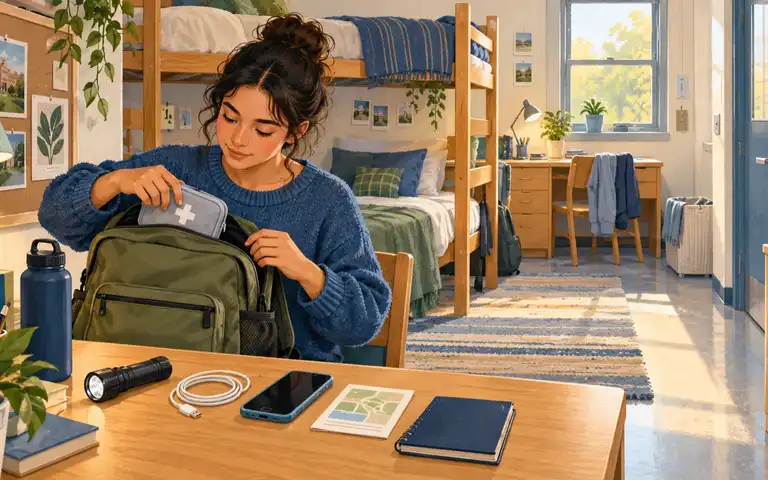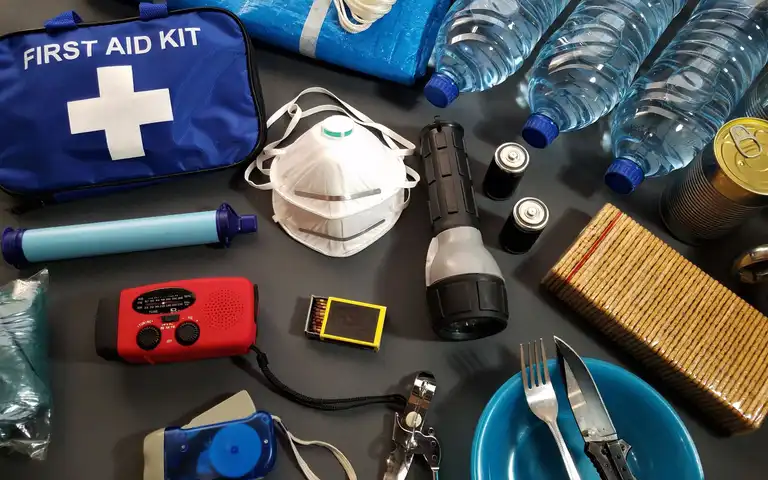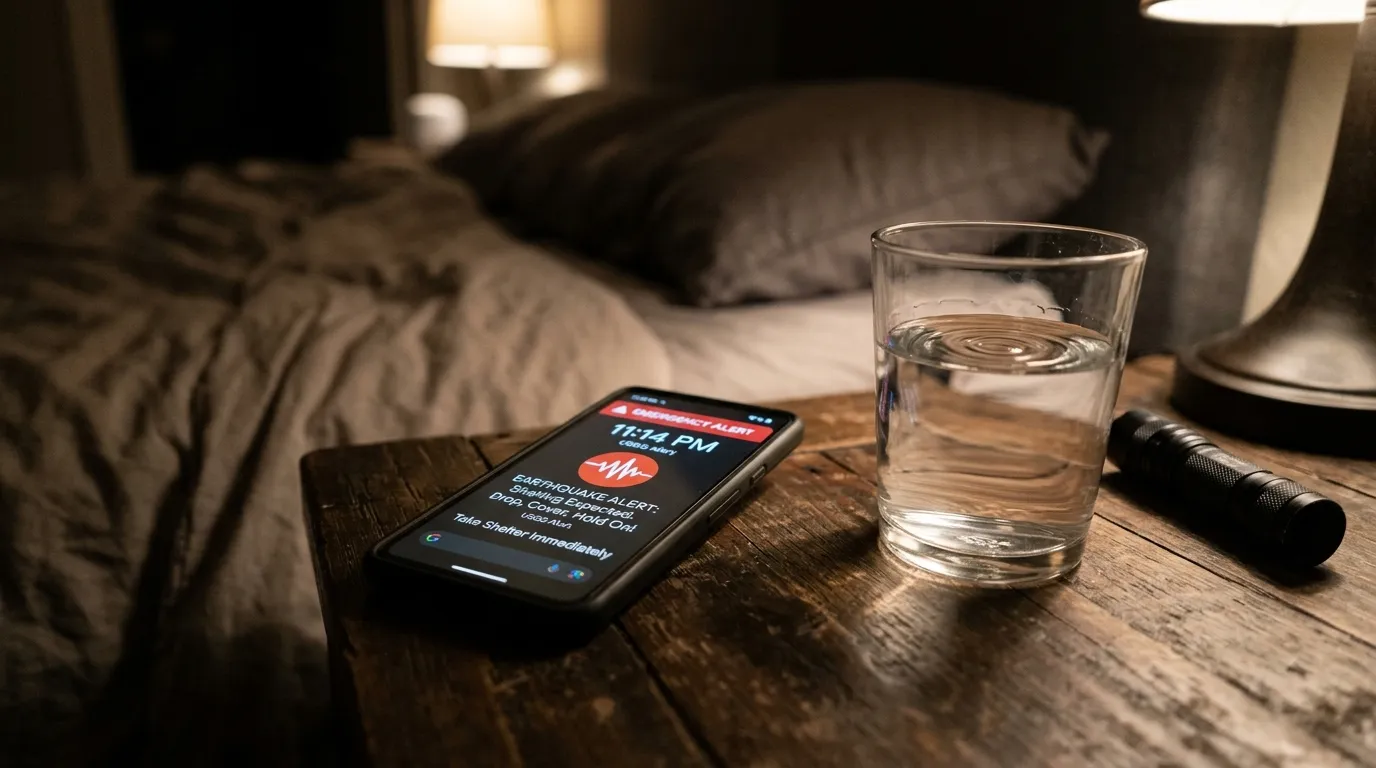
For decades, public safety campaigns told American families to keep a “72-hour kit” in the hall closet. In the Pacific Northwest, that advice is obsolete.
Both the Oregon Department of Emergency Management (OEM) and the Washington Emergency Management Division (EMD) now officially mandate “2 Weeks Ready”—a baseline requirement that every household maintain an autonomous 14-day supply of food, water, off-grid power, and sanitation supplies.
The reason for this dramatic shift is the geology of the Cascadia Subduction Zone (CSZ). A full-margin rupture of this 600-mile offshore megathrust fault will generate an earthquake between Magnitude 8.7 and 9.2, followed 15 to 30 minutes later by a massive tsunami slamming coastal communities.
Inland along the Interstate 5 corridor—spanning Eugene, Salem, Portland, Tacoma, and Seattle—ground shaking will last between 3 and 5 minutes. The resulting ground motion and soil liquefaction will sever fuel transmission pipelines along the Highway 99W corridor, topple unreinforced masonry bridges across major rivers, and disable regional high-voltage transformers for months.
Realistic Infrastructure Restoration Timelines
The Oregon Resilience Plan (ORP), prepared by the Oregon Seismic Safety Policy Advisory Commission (OSSPAC), models realistic restoration times across the I-5 corridor following a full Cascadia rupture. These numbers explain why federal aid cannot simply arrive in 72 hours:
| Lifeline Infrastructure | Coastal Zone Outage | I-5 Valley (Portland / Seattle) | Primary Cause of Delay |
|---|---|---|---|
| Electricity & Grid Power | 3 to 6 months | 1 to 3 months | 500kV substation transformer damage, transmission tower foundation slip, dead grid black start. |
| Municipal Drinking Water | 12 months or longer | 1 to 12 months | Tens of thousands of cast-iron pipe joint shears; treatment plants lose power and hydraulic intake. |
| Sanitary Sewer Systems | 12 to 24 months | 3 to 6 months | Gravity sewer pipes crack and fill with silt; lift station pumps lose power; treatment plant discharge severed. |
| Highway Bridges & Corridors | 6 to 12 months | 2 to 6 months | River bridge approach spans drop; unreinforced bridge piers shear; asphalt fissures block freight convoys. |
| Commercial Fuel & Gasoline | 3 to 6 months | 1 to 2 months | Critical Energy Infrastructure (CEI) Hub in Portland sits on liquefiable soils; fuel trucks cannot cross rivers. |
Gamma Seal Airtight Threaded Lid for 5-Gallon Buckets
- Material
- BPA-free, food-grade high-impact polypropylene
Why it fits Threaded lids may make stored supplies easier to access; check that the lid fits your bucket.
Key trade-off Initial outer ring installation requires significant downward force (use a rubber mallet around the perimeter).
Specifications & research
Airtight threaded spin-off bucket lids. Source records checked on 2026-11-04. Manufacturer research, not hands-on testing.
- Compatibility
- Fits standard 3.5, 5, 6, and 7-gallon plastic utility and food buckets (12-inch diameter) · Source checked 2026-11-04
- Seal Mechanism
- Heavy-duty dual elastomeric gasket system · Source checked 2026-11-04
- Material
- BPA-free, food-grade high-impact polypropylene · Source checked 2026-11-04
Manufacturer documentation. Confirm exact Gamma Seal model specifications and household safety limits before buying.
Deep Water Caching: The 14-Gallon-Per-Person Mandate
In a Cascadia event, subterranean municipal water pipes will snap everywhere. Relying on grocery store water deliveries is impossible because supply chains will be physically severed.
Water Volume and Weight Calculation
FEMA and OEM establish the survival minimum at 1.0 gallon per person per day for drinking and basic sanitation, with 2.0 gallons per person per day recommended for health and cooking comfort.
For a household of 3 people over a 14-day Cascadia isolation period:
- Absolute Survival Minimum:
3 people × 1.0 gal/day × 14 days = 42 gallons. - Recommended Resilience Buffer:
3 people × 2.0 gal/day × 14 days = 84 gallons.
       ┌─────────────────────────────────────────────────────────────┐
       │             WATER STORAGE WEIGHT & STAGING MATH             │
       └─────────────────────────────────────────────────────────────┘
                                      │
   • Water Weight: 8.34 lbs per gallon
   • Total Weight of 84 Gallons: 84 × 8.34 lbs = 700.6 lbs
   • Structural Staging Warning:
     Do NOT place a 700-lb water stack in the center of an unbraced
     second-floor wood joist span. Distribute storage across concrete
     garage slabs, ground-floor perimeter foundation walls, or closets.
Approved Water Caching Methods:
- Rigid Food-Grade 5- to 7-Gallon Containers: High-density polyethylene (HDPE #2) containers (such as the Reliance Aqua-Tainer 7-Gallon) are portable enough for one adult to carry (58 lbs full) and can be stacked safely along garage perimeter walls.
- 55-Gallon Food-Grade Drums: Stored in garages or crawlspaces on 2x4 wooden runners to prevent chemical migration from concrete slabs. Requires a manual siphon drum pump and a water treatment plan (such as 1 teaspoon of unscented 6% household bleach per 55 gallons or Aquamira chlorine dioxide tablets).
- Gravity Water Filtration: Back up your stored water with a high-capacity gravity filter (such as a Sawyer Squeeze or a gravity bag system) to purify water harvested from clean rain gutters or local creeks after your primary containers drain.
Bulk Storage · 7-Gal Stackable (~58 lb water)
Reliance Aqua-Tainer 7G/26L (#9410-03R)
- Empty container weight
- 2 lb
Why it fits Rigid 7-gallon containers support manageable two-week drinking water caching; follow safe cleaning, filling, and rotation guidance.
Key trade-off The 7G/26L vessel weighs 2 lb empty; seven gallons of water add about 58.4 lb, so the filled container is about 60.4 lb before density variation.
Specifications & research
Rigid 7-gallon HDPE #2 water container. Source records checked on 2026-10-22. Manufacturer research, not hands-on testing.
- Listed water capacity
- 7 US gal · Source checked 2026-10-22
- Empty container weight
- 2 lb · Source checked 2026-10-22
- Stacking when filled
- No · Source checked 2026-10-22
Manufacturer documentation. Confirm the exact container, storage location, handling and cleaning instructions before buying.
Gravity Sanitation: The Twin-Bucket Dry Toilet System
When municipal sewers break and water mains lose pressure, flushing your toilet is dangerous. Poured water will either push sewage back into your crawlspace or overflow lower-floor fixtures.
The Portland Bureau of Emergency Management (PBEM) and regional sanitation engineers recommend the Twin-Bucket Emergency Toilet System to prevent dysentery, giardiasis, and cholera.
               THE TWIN-BUCKET SANITATION ARCHITECTURE

       BUCKET 1: PEE ONLY                     BUCKET 2: POO ONLY
    ┌──────────────────────┐               ┌──────────────────────┐
    │  • Liquid waste only │               │  • Solid waste & paper│
    │  • 100% sterile      │               │  • Pathogen source   │
    │  • Dilute 10:1 with  │               │  • Cover with carbon │
    │    water and pour    │               │    (sawdust/peat)    │
    │    onto garden soil  │               │  • Keep strictly dry │
    └──────────────────────┘               └──────────────────────┘
               │                                      │
       NO ODOR / NO DISEASE                   ZERO ANAEROBIC SMELL
How the Twin-Bucket System Operates:
The secret to odor-free, pathogen-safe emergency sanitation is never mixing urine and feces.
- When urine and feces combine in a closed bucket, urease enzymes in feces break down urea into ammonia, creating intense anaerobic stench and bacterial gas.
- Bucket 1 (Urine): Designate a 5-gallon bucket with a toilet seat snapped onto it strictly for urination. Urine is sterile in healthy individuals. At the end of each day, dilute the urine with five parts water and pour it onto grass or ornamental soil away from waterways.
- Bucket 2 (Feces): Line a second 5-gallon bucket with a heavy-duty 3-mil contractor garbage bag. Add 2 cups of dry carbon material (fine sawdust, peat moss, shredded wood shavings, or coco coir) to the bottom. After each use, deposit toilet paper directly into the bag, sprinkle another cup of carbon material to cover the waste completely, and snap a tight lid over the bucket. When full, tie off the bag and store it in an outdoor metal trash bin.
Structural and Utility Seismic Retrofits
During 4 minutes of intense Cascadia shaking, tall furniture and utilities behave like falling projectiles. Before worrying about emergency rations, secure your physical living space against structural collapse and post-earthquake fires.
1. Water Heater Seismic Strapping
A standard 50-gallon water heater holds 417 pounds of scalding water. If unstrapped, the tank tips over, snapping rigid copper water pipes and fracturing the natural gas supply line—the primary trigger of residential post-earthquake conflagrations.
- Install heavy-gauge galvanized steel straps (California DSA standard) at the upper third and lower third of the tank body.
- Anchor straps directly into 2x4 wall studs using 3-inch by 3/8-inch lag bolts with wide fender washers.
- Replace rigid copper gas and water lines with corrugated stainless steel flex lines that allow the tank to shake 3 inches in any direction without shearing.
2. Automatic Seismic Gas Shutoff Valves
Pacific Northwest gas utilities (such as NW Natural and Puget Sound Energy) maintain thousands of miles of distribution pipelines. During Cascadia ground rupture, broken house gas meters can fill basements with explosive natural gas.
- Install a California-certified automatic seismic gas shutoff valve (such as an approved Pacific Seismic Products valve) on your customer-owned house line immediately downstream of the meter.
- These mechanical valves use an internal stainless steel ball balanced on an inverted pedestal. Shaking equal to a Magnitude 5.4 or greater dislodges the ball, dropping it into the gas orifice to seal supply instantly without requiring electrical power.
Cascadia Two-Week Readiness Checklist
Use this checklist to systematically build your 14-day Pacific Northwest earthquake defense:
Phase 1: Physical Anchoring and Life-Safety
- Strap water heater tank with dual heavy-gauge steel straps bolted into structural studs.
- Replace rigid water and gas connections with corrugated stainless steel flexible connectors.
- Anchor all tall bookcases, armoires, dressers, and storage racks into wall framing using heavy-duty nylon straps or steel L-brackets.
- Mount desktop monitors, televisions, and high-value appliances with seismic adhesive straps.
- Place heavy shoes, thick leather work gloves, and a headlamp inside a canvas bag tied to your bed frame (protecting feet from shattered glass during nighttime shaking).
Phase 2: Water Reserves and Filtration
- Cache a minimum of 14 gallons of potable drinking water per household member in certified food-grade HDPE #2 containers.
- Store an additional 14 gallons per person of sanitation/sponge bath water.
- Keep a high-efficiency gravity micro-filter (such as a Sawyer Squeeze) and water purification tablets in your main cache.
- Locate the main household water shutoff valve; ensure it turns freely and attach an identification tag so you can seal your home plumbing before broken municipal mains siphon your water heater dry.
Phase 3: Sanitation and Waste Management
- Assemble the Twin-Bucket toilet system: two clean 5-gallon buckets with snap-on portable toilet seats (such as a Reliance Luggable Loo seat).
- Procure a 1-month supply of heavy-duty 3-mil contractor garbage bags.
- Store one large bag of dry pine sawdust, compressed peat moss, or coconut coir in a waterproof bin.
- Stock personal hygiene items: biodegradable wet wipes, unscented bleach for disinfectant wash, medical-grade hand sanitizer, and disposable nitrile gloves.
Phase 4: Off-Grid Communication and Energy
- Stage a hand-crank or solar NOAA weather radio (such as the Midland ER310) to monitor emergency broadcast frequencies when cell towers collapse.
- Charge a 1,000Wh LiFePO4 portable power station and portable solar panels to recharge communication devices, radios, and medical equipment.
- Compile printed, laminated contact cards for out-of-state emergency contacts (local cellular calls will fail; text messages to out-of-state numbers have a much higher delivery rate across congested cellular networks).
- Withdraw 300 to 500 dollars in small cash bills (1, dollars 5, dollars 10, dollars 20 dollars) and store in a waterproof fire-resistant pouch.
Sources and Technical Verification
- State of Oregon Emergency Management: Readiness guidelines and survival standards from the OEM 2 Weeks Ready Program.
- Washington Military Department: Seismic lifelines, fault traces, and emergency logistics from Washington EMD Earthquake Preparedness.
- Oregon Seismic Safety Policy Advisory Commission (OSSPAC): Macroeconomic lifeline modeling and infrastructure recovery dates from the Oregon Resilience Plan.
- Federal Emergency Management Agency (FEMA): Non-structural seismic mitigation and utility strapping standards from FEMA E-74 Reducing the Risks of Nonstructural Earthquake Damage.