Check your insurer’s current wildfire risk information
California’s Safer from Wildfires framework is part of insurer wildfire rating and mitigation filings. The Department of Insurance says discounts differ by company and property, and the policyholder should ask the insurer which actions qualify, what proof or inspection it requires, and how the savings will appear at the next policy period. The state FAQ also says policyholders may request their wildfire risk score and an explanation of ways to lower it; if you believe the score is inaccurate, ask the insurer about its appeal process.
The FAIR Plan also provides Safer from Wildfires discounts. Its published schedule lists maximum credits of up to 16.4% for Dwelling Fire and 13.8% for Commercial policies, applied only to the wildfire portion of the premium. These are plan-specific maxima, not a guaranteed credit or a percentage of the full policy premium; confirm current terms and eligibility with a licensed FAIR Plan broker.
The FAIR Plan’s 12 discount checks
The FAIR Plan schedule groups ten property checks with one completion credit and one community credit. Use the schedule to organize proof. Ask other insurers for their own filed plan.
| Group | What to document |
|---|---|
| Surroundings, checks 1–5 | Cleared area beneath decks, cleared combustibles within five feet, noncombustible near-home improvements such as fences and gates, placement of combustible outbuildings, and compliance with applicable defensible-space rules. |
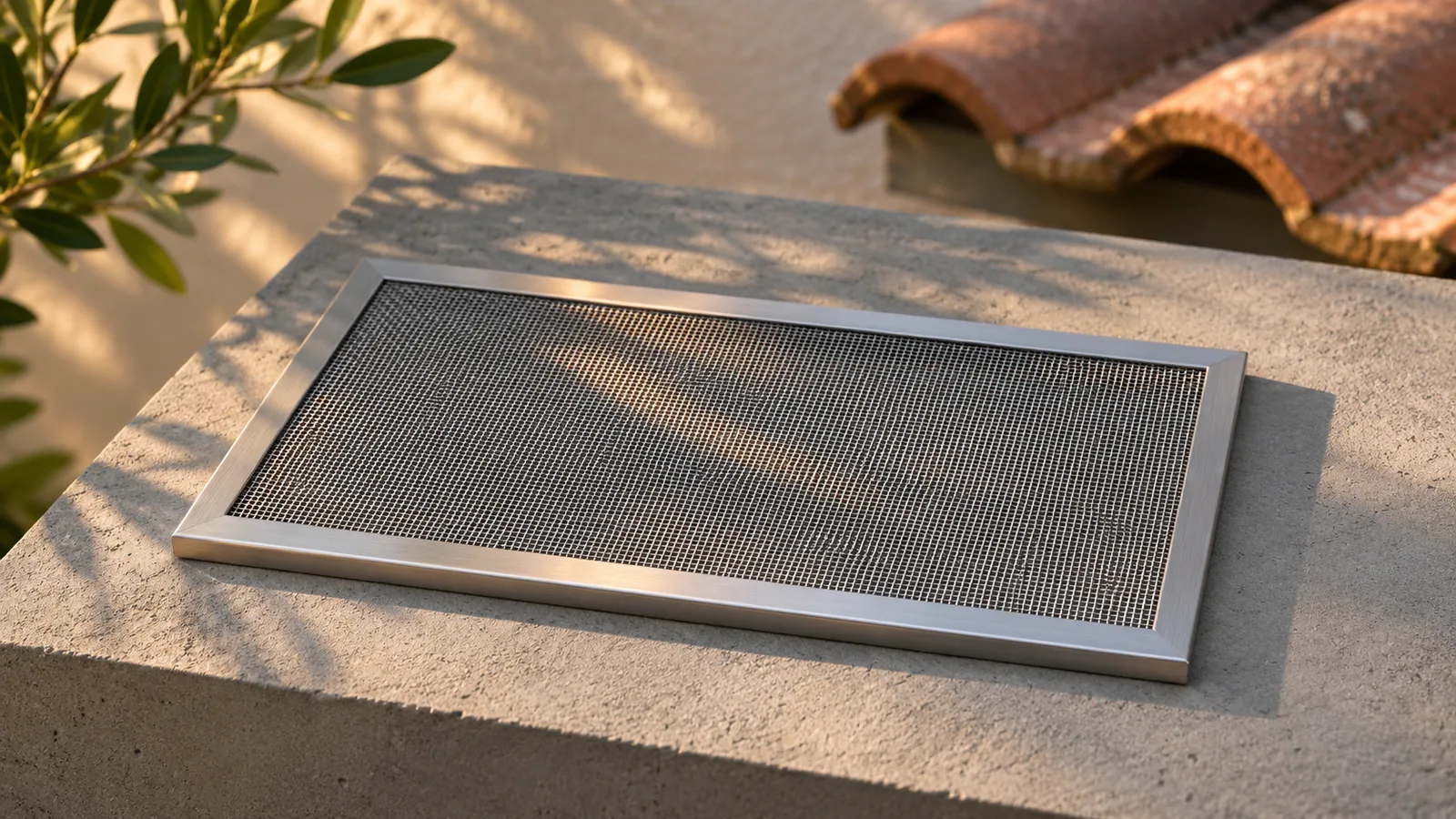
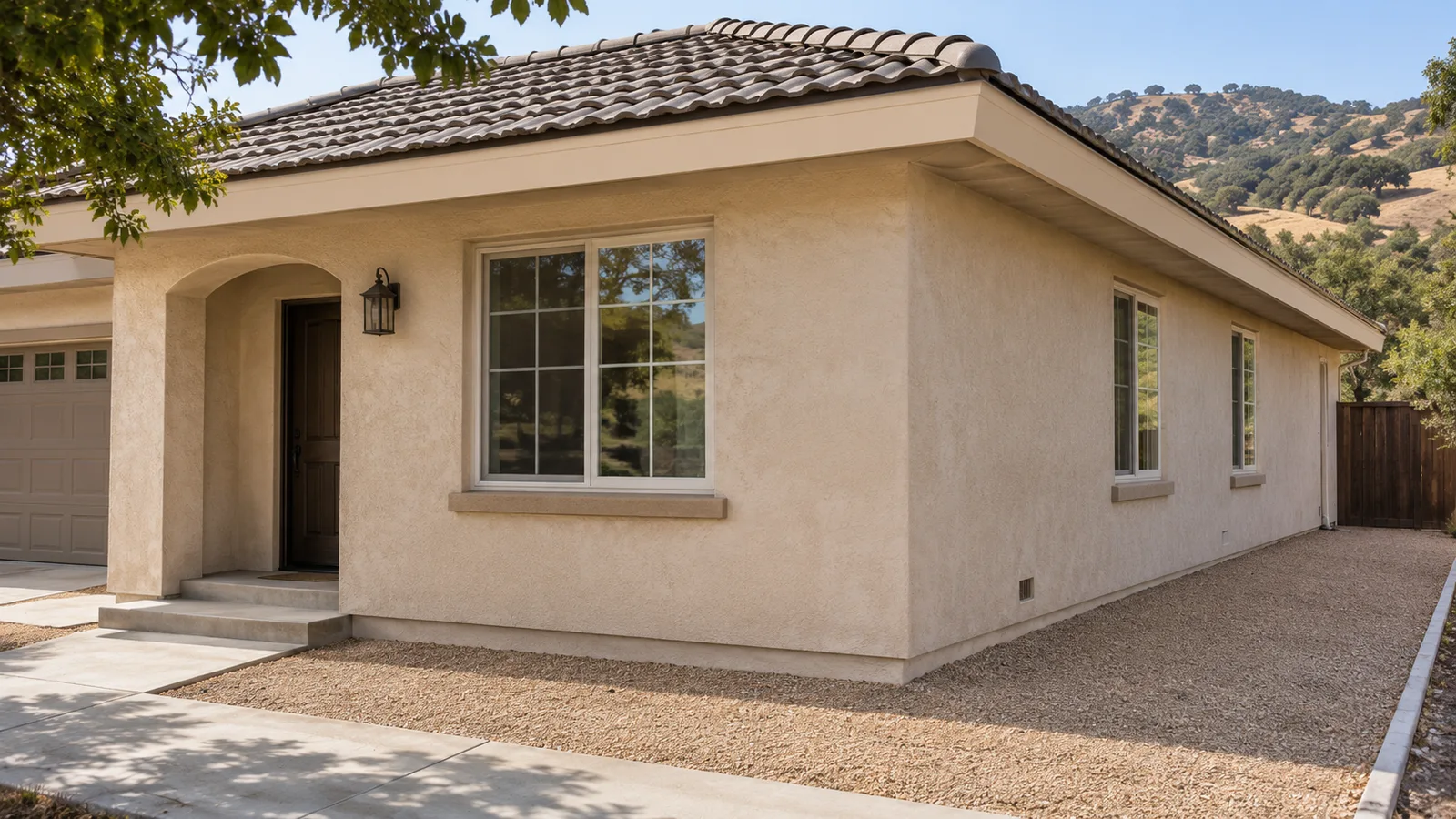
| Structure, checks 6–10 | Class A roof assembly, enclosed eaves, specified ember-resistant vents, multipane windows or working shutters, and noncombustible material at the base of exterior walls. |
| Completion, check 11 | Records showing all ten property checks have been met under the plan’s terms. |
| Community, check 12 | Evidence of current Firewise USA status or a listed Fire Risk Reduction Community. Ask how the plan handles properties that qualify under both. |
Build a property record before contacting the insurer
The state program describes mitigation at the structure, immediate-surroundings, and community levels. Use this record to organize completed work; it is not a determination of code compliance or an insurer’s required form.
| Record group | What to gather | Confirm with |
|---|---|---|
| Structure | Dated overview and close-up photographs; product model or listing information; permits and contractor invoices where applicable | Insurer or agent: which completed measures and documents they will consider |
| Immediate surroundings | Dated photographs of the areas around the home and records of relevant work | Local fire authority: current defensible-space requirements for the property |
| Community | Current Firewise USA or Fire Risk Reduction Community status if relevant | Insurer: whether and how community participation enters its filed rating plan |
| Policy | Current declarations, risk score, insurer’s written explanation, submission receipts, and renewal date | Agent or insurer: appeal process, any policy credit, and when a change takes effect |
After a mitigation project, contact the insurer and ask whether proof or an inspection is needed. Keep the response and submission confirmation. The insurer’s approved rating plan, rather than a generic online list, determines whether and how a measure affects your policy.
Zone 0 status and local requirements
Zone 0 is the planned ember-resistant area immediately around a structure. As of November 22, 2026, the Office of Administrative Law lists the November 16 Zone 0 filing (2026-1116-02E) under review; the final regulation has not yet been published on the Board’s page. Do not treat draft language or a proposed timetable as an effective final standard. Check the Board’s current update and your local fire authority before removing vegetation, changing landscaping, or relying on a specific setback.
Build a broader wildfire mitigation checklist
Use the California Safer from Wildfires estimator as a planning aid, then confirm requirements with your insurer and local fire authority. For related topics, see our IBHS Wildfire Prepared Home vs. California Zone 0 guide and California FAIR Plan wildfire discount appeal guide.
Common questions
What happens after I complete a mitigation project?
Tell your agent or insurer and ask what proof it accepts. Keep dated photos, invoices or permits, and a copy of the submission. Ask when the credit would appear on your policy.
Does the FAIR Plan percentage apply to the entire bill?
The published FAIR Plan percentage applies to the wildfire portion of the premium. The broker can explain how your declarations and the current schedule determine the dollar change.
Can I appeal a wildfire risk score?
Ask your insurer for the score, how it affects your rating, and the submission steps for an appeal. Include records of mitigation work you want the insurer to consider.
Which rules apply to landscaping within five feet?
Check the current state rulemaking and local fire authority requirements for your property. Your insurer can verify the separate documentation it needs for a mitigation credit.
What should I do if part of the property is outside my control?
Document the property line and the area you can maintain. Ask the insurer how its filing handles work on land you cannot alter, and consult local authorities before making changes.