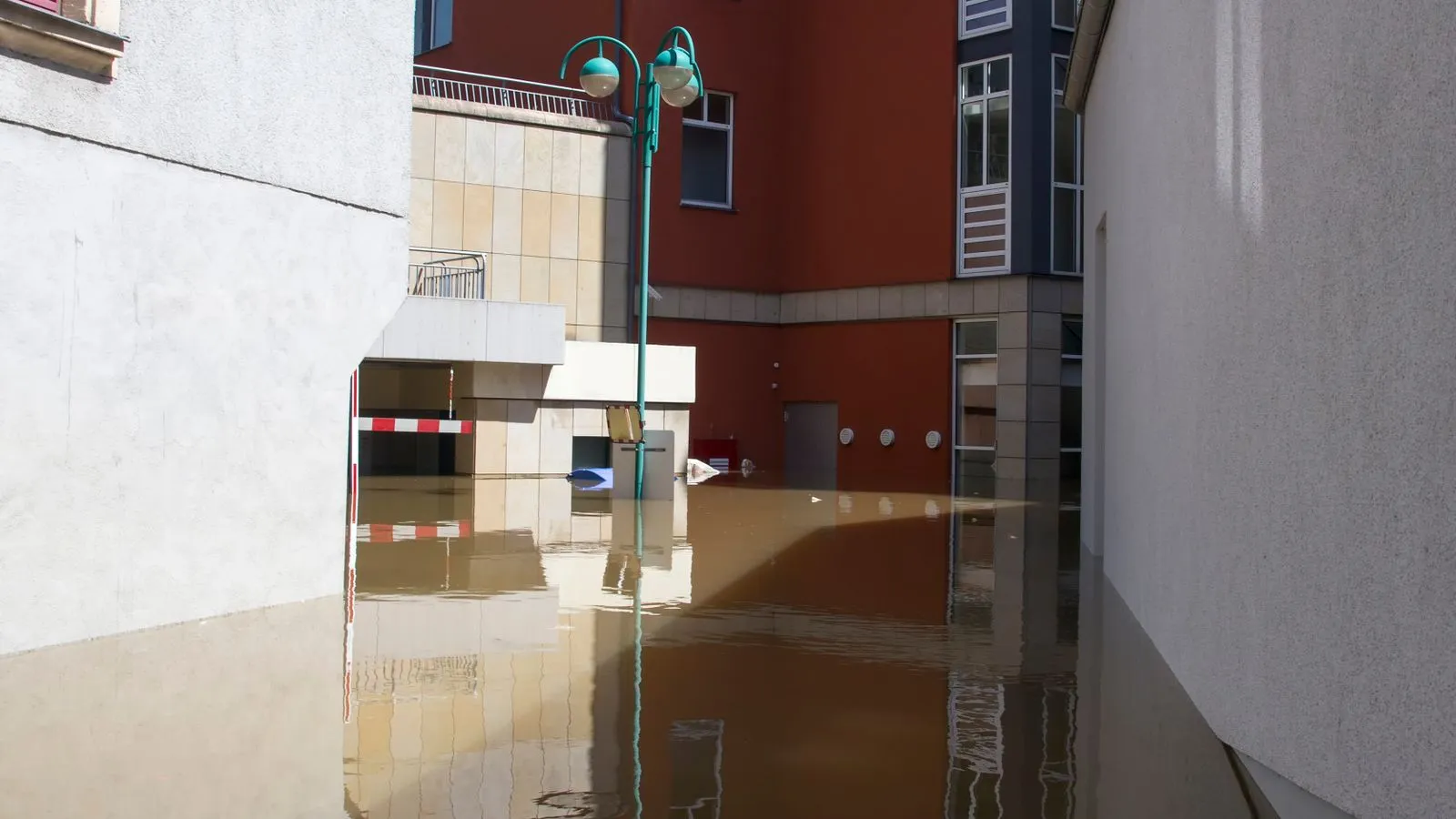
When disaster strikes, the most dangerous cognitive error is hesitation. In historical disasters—from California wildfires to Gulf Coast hurricanes—fatality investigations consistently reveal that victims did not die because they lacked supplies. They died because they delayed their departure, turning an early, orderly evacuation into a desperate scramble on gridlocked roads, or because they fled their homes when staying put was far safer.
Choosing between fleeing and sheltering is not a matter of intuition. It is a calculated operational decision dictated by three variables: threat velocity, structural defense, and escape route reliability.
Hazard-specific evacuate vs. shelter matrix
Never apply a blanket policy to fundamentally different hazards. The correct action for a hazardous material derailment is the exact opposite of the correct action for a wildfire.
| Incident Type | Primary Operational Command | Hard Environmental “GO” Triggers (Evacuate Now) | Hard Environmental “STAY” Triggers (Shelter in Place) | Catastrophic Failure Mode |
|---|---|---|---|---|
| Wildfire / Brushfire | Preemptive Early Evacuation | Red Flag Warning + active fire within 5 miles; smoke odor indoors; Level 2 “Be Set” advisory issued. | Fire front actively engulfing property; egress road impassable; zero visibility. | Fleeing too late in a car. Radiant heat melts windshields and stalls combustion engines. |
| Inland / Flash Flooding | Early Route Clearance | NWS Flash Flood Warning issued; water rising on access road; civil authority orders. | Floodwater already 6 inches deep across roads; rapid current visible. | Driving through floodwater. Vehicles float in 12 inches of water, sweeping passengers away. |
| Industrial Chemical Plume | Immediate Sealed Sheltering | Facility explosion directly adjacent (< 0.5 miles) or clear wind direction shift with civil evacuation notice. | Visible vapor cloud; chemical odor; sirens sound downwind of railroad or plant. | Evacuating into the plume. Highway traffic jams trap vehicles inside toxic vapor corridors. |
| Tornado / Severe Gale | Immediate Hardened Sheltering | Only if mobile/manufactured home with access to certified community storm shelter > 10 min prior. | Tornado Warning siren; rotating wall cloud sighted; Doppler radar hook echo detected. | Attempting to outrun a tornado in an automobile. High-speed debris penetrates sheet metal. |
| Extended Grid Blackout | Phased Home Sheltering | Interior temperatures drop below 40°F (winter) or indoor heat index exceeds 105°F (summer); medical device depleted. | First 72 hours; household pantry, potable water, and sanitary waste systems functioning securely. | Unplanned panic travel. Moving into congested retail or hotel corridors without destination reservations. |
The physics of road dangers: why staying is often safer
The impulse to jump in a vehicle during an emergency stems from a psychological need for agency. However, transportation networks are among the most fragile components of modern municipal infrastructure.
The hydrodynamics of moving water
According to data from the National Oceanic and Atmospheric Administration (NOAA), nearly half of all flood-related fatalities occur in vehicles. Motorists consistently underestimate the physical force of moving water:
- Buoyancy Physics: Water exerts upward buoyant force equal to the weight of the water displaced. Most consumer passenger sedans weigh roughly 3,000 to 3,500 pounds. As little as 12 inches (30 cm) of water creates enough buoyant force to float a standard car. Once tires lose contact with the asphalt pavement, friction drops to zero.
- Lateral Hydrodynamic Pressure: Moving water traveling at 6 to 9 mph exerts thousands of pounds of lateral force against the vehicle’s body panels. Six inches of rapid current will easily sweep an adult off their feet; twelve inches will carry away a small crossover SUV.
- Pavement Washouts: Flowing floodwaters obscure washed-out culverts and collapsed asphalt. What appears to be a 3-inch puddle may conceal an 8-foot sinkhole where a roadbed collapsed.
Chemical plume dispersal mechanics
During a hazardous materials transport derailment (such as chlorine, anhydrous ammonia, or vinyl chloride), toxic gas spreads downwind in an elliptical plume. Atmospheric models demonstrate that attempting to evacuate by car through an urban grid often leads to disaster:
- Vehicles are not airtight. Vehicle ventilation systems draw external air even when set to “Recirculate,” exposing occupants to toxic parts-per-million (ppm) vapor concentrations.
- Surface traffic jams instantly as thousands of motorists enter highway on-ramps simultaneously. Sitting motionless in a gridlocked vehicle directly inside a drifting vapor cloud causes severe respiratory failure.
- In contrast, an interior room inside a residential structure sealed with plastic sheeting and duct tape limits air exchange rates to less than 0.1 air changes per hour, providing a safe window until the cloud disperses downwind.
Wildfire: the strict 3-level trigger rules
Wildfire evacuation requires strict adherence to standardized civil alert levels. In wildfire country, waiting for a mandatory order is a fatal mistake:
LEVEL 1: "BE READY" (Fire in the broader geographic region)
• Pack emergency document binder, medical equipment, and 72-hour bags.
• Back vehicle into garage or driveway facing outward; keep fuel tank full.
• Stage pets in carriers or interior rooms with food and leash ready.

LEVEL 2: "BE SET" (Significant danger; fire approaching local terrain)
• MANDATORY EVACUATION TRIGGER for families with infants, older adults,
  mobility devices, or livestock/trailers. Do not wait for Level 3.
• Close all windows, doors, and fireplace dampers; turn on exterior lights.
• Depart immediately if single-lane canyon roads are your only egress path.

LEVEL 3: "GO NOW!" (Immediate extreme danger to life)
• Immediate mandatory flight. Do not take time to gather household goods.
• Grab the go-bag and keys; evacuate along pre-planned primary escape routes.
• If roads are blocked by wall-of-flame: retreat to an open athletic field,
  parking lot, or cleared safety zone rather than burning inside a car.
The 15-minute “GO” protocol vs. the 1-hour staging protocol
Depending on the warning time provided by weather radar or emergency services, execute your departure using disciplined countdown protocols:
The 15-Minute Rapid Egress Checklist
When sirens sound or an immediate Level 3 order is received:
- Minute 0–3 (Life Safety): Gather all household members, service animals, and pets. Put leashes on dogs; place cats inside hard-sided carriers.
- Minute 3–6 (Core Survival): Grab the emergency document binder, pre-packed 72-hour bug-out bags, and daily prescription medication caddies.
- Minute 6–9 (Hardware & Keys): Unplug smartphones and portable battery power banks. Grab vehicle keys, wallets, and warm weather-appropriate outerwear.
- Minute 9–12 (Structural Defense): Close all interior and exterior doors and windows. Shut main water shutoff valve. Leave interior and exterior lights on for emergency crew visibility.
- Minute 12–15 (Vehicle Departure): Load passengers, verify seatbelts, pull out of the driveway, and engage low-beam headlights. Tune car radio to local emergency broadcasting network (EAS).
The 1-Hour Staged Departure Protocol
When advance warning permits a controlled staging phase (such as a hurricane track or rising river crest):
- Utility Isolation: Shut off the main water valve at the meter to prevent house contamination from broken municipal mains. Switch off the main electrical breaker if flooding is imminent to eliminate electrocution hazards upon return.
- Perimeter Hardening: Secure patio furniture, trash cans, and loose exterior items that become dangerous airborne projectiles in hurricane-force winds.
- Property Photographic Record: Walk through every room taking a rapid 5-minute video of furniture, electronics, and closets for post-disaster insurance claims.
- Neighbor Coordination: Check in on vulnerable or older neighbors to confirm their transportation and evacuation plans before departing.
Shelter-in-place room fabrication: chemical vs. weather
If analysis dictates sheltering in place, the specific room you choose must match the physics of the threat:
Hazardous chemical / radiological plume room (high and interior)
Chemical vapors are frequently heavier than air (such as chlorine gas), causing them to pool along street gutters, crawl spaces, and basements:
- Choose an interior room on the highest available above-ground floor with as few exterior doors and windows as possible.
- Immediately switch off central HVAC heating and air conditioning units. Close all fireplace dampers and kitchen/bathroom exhaust vents.
- Seal windows, doors, electrical outlets, and plumbing penetrations using pre-cut 4-mil or 6-mil polyethylene plastic sheeting secured with heavy-duty duct tape.
- Keep a 10-mil battery-powered radio and flashlight inside. Do not unseal the room until local public safety officials broadcast an official “All Clear” indicating the chemical cloud has drifted past.
Tornado and severe windstorm room (low and fortified)
High-velocity atmospheric winds generate massive aerodynamic lifting forces on roofs and propel structural debris through exterior walls:
- Choose an interior room on the lowest possible level (basement or storm cellar preferred). If no basement exists, select an interior bathroom, hallway, or closet with zero exterior walls or windows.
- Put on bicycle or sports helmets for all children and adults. Debris-induced blunt force head trauma accounts for the majority of severe tornado injuries.
- Pull a heavy mattress or thick sleeping bags over household members to shield against collapsing structural framing joists.