Where Is the Main Water Shutoff? Find, Label, and Plan Access
Record the household's likely water shutoff, who is allowed to operate it, and who to call when a leak or inaccessible valve needs help.
In this guideJump to a section
A leak can start behind a washer or under a sink while everyone is asleep. The useful preparation is not guessing which pipe or box contains the right valve; it is having the location, permission, and contact path recorded before water is moving.
This checklist helps identify and document where a main shutoff may be and who can use it. The winterizing home guide includes shutoff awareness as one part of freeze preparation; this page focuses on access boundaries and the record a household can prepare for any leak.
Find the right record before looking around
Start with the water bill or utility account, a property or plumbing plan, inspection records, lease, and any building emergency instructions. Ask the local water utility how customers can identify the service connection and which exterior valves utility crews control. Ask a landlord, property manager, or homeowners’ association which shutoff serves the unit and whether residents may access or operate it.
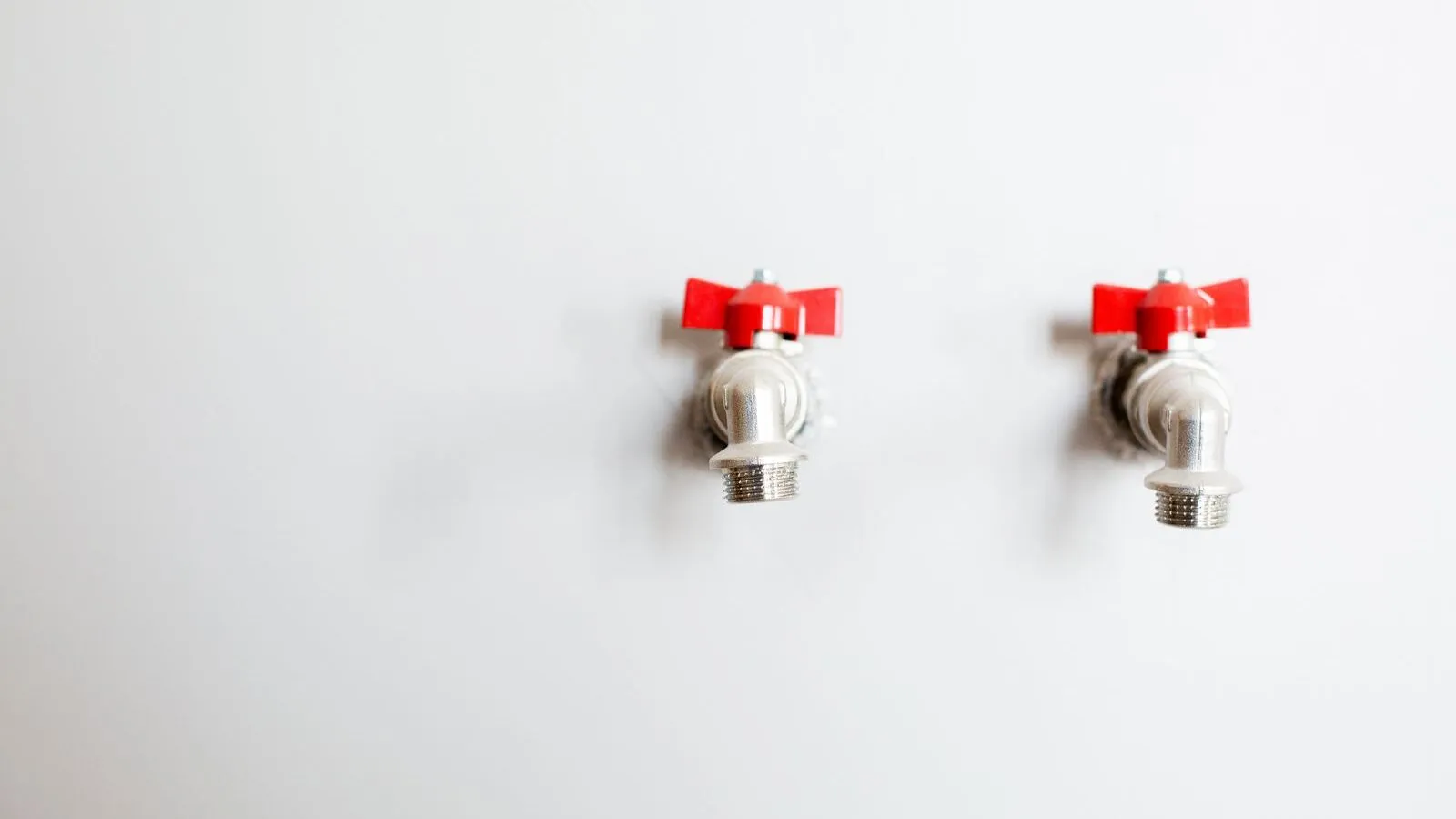
A valve near a meter or where a pipe enters a building is only a clue. Columbus Water & Power describes its local meter and emergency service valve arrangement, while Calgary explains its own city-operated service valve and internal shutoff boundary. Those city examples demonstrate why a household should verify the boundary for its address rather than apply a national location rule.
Do not dig, remove a locked cover, enter a utility space, or turn a valve to identify it. If the private shutoff is hidden, inaccessible, unmarked, or uncertain, ask the utility, owner, building manager, or a licensed plumber to identify it and explain any authorized procedure.
Classify access before an emergency
| What the household finds | What to record | Who to ask before action |
|---|---|---|
| A labeled valve serving only a detached or individually owned home | Room, nearby fixed landmark, safe access route, and instructions supplied for this exact property | Utility or licensed plumber if location or role is uncertain |
| A valve inside a rented home or apartment | Unit-specific location, whether tenant access is permitted, and the after-hours contact | Landlord or building manager |
| A valve in a locked or shared utility room | Building contact, access rules, and which staff member can respond | Property manager or authorized maintenance staff |
| A curb box, meter pit, or valve described as utility-side | Utility’s emergency number and service-request process | Local water utility; do not operate it unless it explicitly authorizes you |
| A private well or a property with several water systems | Which system or branch each documented control serves and installer contact | Well contractor, plumber, or property owner |
The EPA WaterSense home-maintenance guide encourages households to know their meter and use utility leak-alert options where available. A meter, fixture stop, irrigation control, fire-sprinkler valve, and main domestic-water shutoff may serve different systems; have the responsible professional or utility identify them instead of inferring from appearance.
Shutoff access card
Create a private note with one simple sketch or annotated photo taken from a safe place. Show the route from a familiar room or entrance, then label the item only after the utility or responsible property contact confirms what it controls. Keep the image free of keys, entry codes, personal names, and public-facing address details.
| Record field | Household entry |
|---|---|
| Property/unit and date checked | |
| Confirmed shutoff label and what it serves | |
| Location from a stable landmark; photo or sketch file location | |
| Access class: private / shared / utility-controlled / unknown | |
| Who is authorized to operate it; required permission or procedure | |
| Owner/manager, utility, and qualified plumber contact routes | |
| If the valve is inaccessible, leaking, stuck, or uncertain | |
| Safe exit and emergency contact if water is near electricity |
Give the record to household members who may need it. For an apartment or shared property, keep the manager’s after-hours instructions alongside it; do not mark a communal valve as tenant-operated unless the property owner expressly says so.
If water is already leaking
Do not let a location card delay an urgent response. If water is close to outlets, appliances, a service panel, cords, or standing floodwater, keep people away and leave the unsafe area. Ready.gov warns not to touch wet electrical equipment or stand in water around it. Call emergency services for immediate danger, then contact the utility or building emergency number and a qualified plumber as the situation requires. Do not enter a flooded basement or utility room to reach a valve, and do not touch electrical controls from a wet area.
If the area is dry and safe, use only the procedure already authorized for that specific private shutoff. Stop if it is stuck, damaged, leaking at the handle, poorly labeled, or requires force. Do not remove a cover, use a tool for leverage, or attempt repair. If the water cannot be safely isolated, tell the utility, property manager, or plumber exactly what is happening and where.
Review the card after a move, plumbing work, meter replacement, or building-management change. A label is useful only while the location and permission remain accurate.