In dense metropolitan areas like New York, Boston, Chicago, Washington D.C., and San Francisco, between 30% and 55% of households do not own a personal automobile. Urban residents rely on subways, commuter rail, buses, walking, and rideshare apps for daily transportation.
When a catastrophic disaster strikes—such as a Category 3 hurricane surge, major seismic rupture, civil infrastructure collapse, or prolonged regional blackout—traditional mass transit disappears instantly. Electric subways lose third-rail traction power, commuter rail switches freeze, and highway arteries transform into motionless parking lots as hundreds of thousands of motorists attempt to flee simultaneously.
For car-free households, waiting for an Uber that will never arrive or expecting car rental lots to have vehicles is a fatal assumption. Surviving an urban evacuation without an automobile requires intentional non-motorized mobility: outfitted utility bicycles, high-capacity folding cargo wagons, or verified municipal transit assembly points.
Non-motorized urban transit comparison matrix
Choosing the right evacuation platform depends on your household composition, physical fitness, and distance to safety:
| Egress Modality | Effective Transit Velocity | Usable Gear Payload | Gridlock Filtering Ability | Key Failure Mode / Limit |
|---|---|---|---|---|
| Cargo / Touring Bicycle | 10 to 14 mph (16–22 km/h) | 60 to 100 lbs in panniers | Unmatched. Filters between stalled vehicles; crosses curbs and footbridges. | Broken glass punctures; steep hill fatigue with heavy loads. |
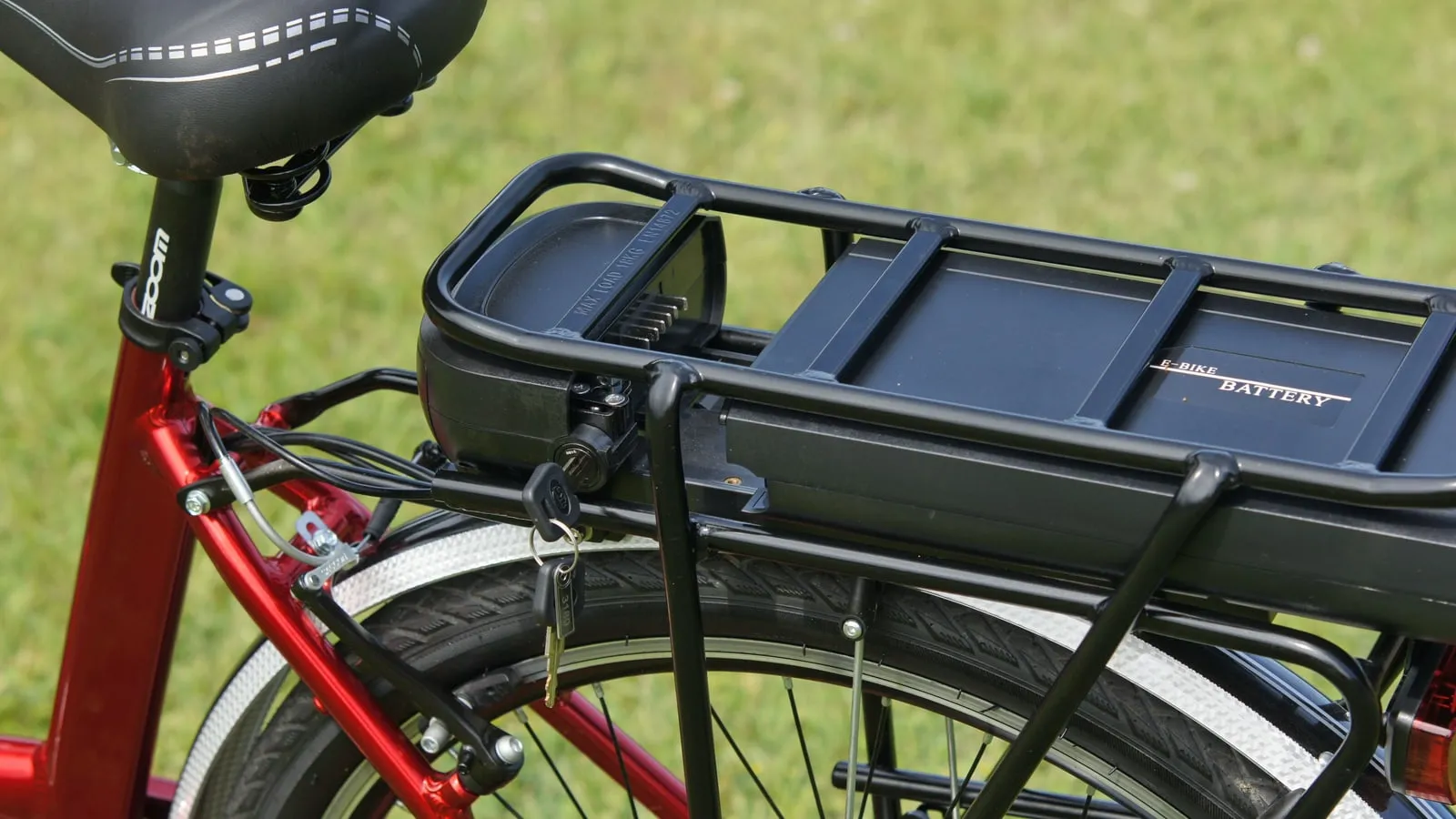
| Folding E-Bike (Pedal Assist) | 12 to 18 mph (19–29 km/h) | 40 to 75 lbs on rear rack | Excellent. Rapid acceleration; overcomes steep grade exhaustion. | Dead battery turns bike into a 55-lb deadweight drag; charger reliance. |
| Folding Utility Wagon (Handcart) | 2.5 to 3.0 mph (4–5 km/h) | 100 to 150 lbs | Moderate. Uses pedestrian sidewalks; must be lifted over broken curbs. | Small plastic wheels jam on debris; cannot easily navigate stairwells. |
| Walking with Backpacks Only | 2.0 to 2.5 mph (3–4 km/h) | 15 to 25 lbs max per adult | High. Can navigate any stairs, rubble, or narrow alleyways. | Rapid exhaustion. Human spine cannot sustain heavy water loads beyond 8 miles. |
| Municipal Emergency Buses (EAP) | 0 mph (in lines) to 25 mph | 1 personal carry-on bag | Poor initially. Subject to identical highway gridlock once buses depart. | Hours of standing in crowded queues; pets must be caged; buses stop running early. |
Mountain House Just in Case... 3 Day Emergency Food Supply (U.S. page; one-person, 9 pouches/18 labeled servings)
- Manufacturer water estimate
- 12 US cups
Why it fits Consider shelf-stable meals if their ingredients and preparation requirements fit your household; check the package for serving and storage details.
Key trade-off This is a specific current one-person bundle name, but the manufacturer says outer packaging may differ; match actual pouches and current labels before relying on ingredients or preparation.
Specifications & research
Freeze-dried 3-day emergency meal supply. Source records checked on 2026-10-25. Manufacturer research, not hands-on testing.
- Label-counted servings
- 18 servings · Source checked 2026-10-25
- Manufacturer water estimate
- 12 US cups · Source checked 2026-10-25
- Manufacturer-listed pack contents
- 2 Granola with Milk & Blueberries; 1 Biscuits & Gravy; 2 Chicken Fried Rice; 2 Chicken & Dumplings; 2 Beef Stroganoff with Noodles · Source checked 2026-10-25
Manufacturer documentation. Compare the exact pouch labels, required water and heat, and household menu needs before relying on a kit.
The bicycle: the ultimate urban disaster escape vehicle
In disaster management studies of events like the 1906 San Francisco earthquake, the 9/11 Manhattan evacuations, and the 2011 Fukushima earthquake in Tokyo, bicycles proved to be the single most efficient form of urban transportation. While millions of automobiles stalled in gridlock with overheated radiators and empty fuel tanks, cyclists quietly bypassed traffic at 12 miles per hour.
Why bicycles outperform cars in disaster corridors
- Micro-Corridor Filtering: An automobile requires a 10-foot-wide lane of clear asphalt. A bicycle requires only 28 to 32 inches of clearance. Cyclists can weave between bumpers of gridlocked cars, ride on sidewalk pavers, traverse public parks, and use rail trails barricaded to motor vehicles.
- Kinetic Efficiency Physics: Cycling is the most energetically efficient form of human locomotion ever invented. A human on a bicycle travels roughly 4 times farther per calorie consumed than a human on foot. You can cover 25 miles in two hours with moderate effort, compared to ten exhausting hours on foot.
- Bridge and Chokepoint Resilience: When vehicular bridges are closed to cars due to gridlock or weight inspections, municipal police almost universally continue permitting pedestrian and bicycle crossings across designated walkways.
Bicycle outfitting rules for post-disaster streets
A standard lightweight road bike with razor-thin racing tires will fail within three blocks on disaster-torn streets covered in shattered safety glass, brick rubble, and drywall screws. Outfit your evacuation bicycle for rugged utility:
- Puncture-Proof Tires: Install heavy-duty touring or commuter tires equipped with a 5mm high-elasticity smart-guard layer (such as the industry-standard Schwalbe Marathon Plus or Continental Contact Plus). Use heavy-duty thorn-resistant butyl tubes filled with liquid tire sealant (such as Slime or Stan’s NoTubes).
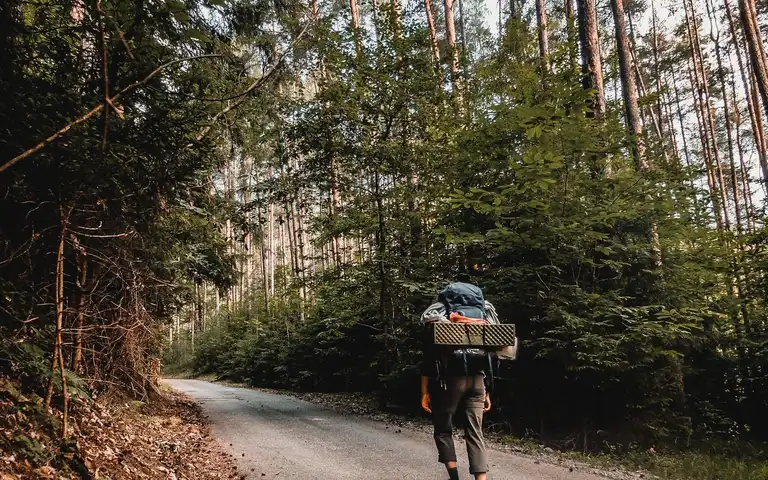
- Rear Luggage Rack and Waterproof Panniers: Never wear a 40-pound hiking pack while riding a bicycle; high pack loads raise your center of gravity, causing severe wrist fatigue and violent crashes during sudden braking. Mount a certified aluminum or chromoly rear rack (rated for 55 to 65 lbs) and attach two waterproof roll-top pannier bags. Keep weight low and centered over the rear axle.
- Tools and Spares Mounted to the Frame: Keep a frame-mounted mini-pump, two spare tubes, three tire levers, a bicycle multi-tool with chain breaker, and a quick-link chain repair master link attached directly to the bicycle frame inside a triangle bag.
The folding utility wagon: pedestrian heavy hauling
For families with non-cyclists, small children, or older relatives who cannot pedal 15 miles, a heavy-duty folding utility wagon is the single greatest force multiplier for foot evacuation.
The biomechanics of rolling vs. carrying
Carrying weight on your back compresses spinal vertebrae and drives shear stress into knee joints. In contrast, pulling a rolling load across a smooth or packed surface requires an applied tractive force equal to only 10% to 15% of the payload weight:
Tractive Pull Force: 120 lbs payload × 0.12 friction coefficient ≈ 14.4 lbs of pull effort
Pulling 14.4 pounds of resistance with a padded handle is manageable for hours, whereas carrying 120 pounds of water, food, and infant supplies on human backs requires three exhausted adults.
Essential utility cart specifications
- Solid Polyurethane or Wide Pneumatic Tires: Never use grocery carts or luggage with small, hard 2-inch plastic casters. Plastic casters jam instantly in street potholes, gravel, and curb edges. Choose folding wagons with minimum 8-inch diameter, 3-inch wide solid rubber or PU all-terrain wheels that roll easily across lawns, dirt paths, and broken asphalt.
- Structural Steel Frame: Verify that the wagon features an accordion-style powder-coated steel frame with a certified dynamic weight capacity of at least 150 pounds (68 kg).
- Children and Pet Staging: A heavy-duty wagon can transport an exhausted 4-year-old child and a 20-pound dog alongside 50 pounds of emergency water and food, maintaining a continuous 3 mph walking pace without stopping for toddler tantrums or fatigue.
Municipal evacuation assembly points (EAPs)
If your household has zero private transport options—no bicycles, carts, or physical ability to walk long distances—you must coordinate with your city’s official mass transit evacuation architecture.
How emergency transit corridors operate
In metropolitan disasters with advance warning (such as hurricane landfalls or major river crests), municipal emergency management agencies activate designated Evacuation Assembly Points (EAPs) located at public schools, community colleges, or major subway transfer stations outside flood zones:
- City Buses Form a Shuttling Circuit: Municipal transit authority buses are pulled from daily routes and dedicated to running non-stop express loops between neighborhood EAPs and regional mega-shelters or train hubs located outside the hazard area.
- Priority Boarding for Vulnerable Residents: Individuals requiring paratransit wheelchair vans, non-ambulatory older adults, and families with infants are granted priority boarding.
- Strict Luggage Restrictions: Because emergency buses must maximize human capacity, transit agencies enforce strict baggage limits: usually one medium soft-sided carry-on bag (under 30 lbs) per person. You cannot bring full-size bicycles, large carts, or oversized suitcases onto an emergency evacuation bus.
- Mandatory Pet Crating Rules: Under public transit safety codes, household pets are permitted on evacuation buses only if they are secured inside an airline-approved hard-sided or soft-sided carrier that fits on the owner’s lap or beneath the seat. Large dogs without carriers are frequently turned away or forced to wait for specialized county animal control transport vans.
Urban escape route selection: avoiding lethal choke points
The route you choose out of a major metropolitan city dictates your survival. Standard interstate highways are the first infrastructure elements to fail completely.
The highway bottleneck trap
In an emergency, civil authorities frequently implement contraflow lane reversals on interstate freeways, turning all inbound lanes outward. However, contraflow transitions take hours to establish and consistently experience massive vehicular breakdowns, rear-end collisions, and fuel run-outs that clog choke points.
As a bicyclist or pedestrian, stay off interstate freeways. Interstate highway shoulders are dangerous, lack pedestrian escape paths, and expose travelers to aggressive drivers and vehicle fires.
High-resilience secondary routing
- Rail-with-Trail Corridors and Linear Greenways: Look for paved municipal bike trails and linear park corridors (such as Rails-to-Trails routes). These paths run along old railroad rights-of-way, maintain gentle 1% to 2% grades, and cross rivers on dedicated pedestrian bridges completely separated from vehicular traffic.
- Secondary Commercial Boulevards: Choose broad multi-lane commercial avenues running parallel to interstate freeways. While traffic lights will be dark, commercial avenues offer continuous sidewalks, wide bike lanes, and multiple alleyway bypasses if a specific intersection is blocked.
- Pedestrian Ferries and Water Taxis: If your city is bounded by rivers or bays, locate municipal ferry terminals. Passenger ferries run on independent maritime diesel generators and can transport thousands of pedestrians and cyclists across waterways when vehicular bridge decks are gridlocked.