What Is an Inverter Generator? How It Differs from a Regular Generator
Compare inverter and conventional portable generators by output, sound, fuel use, portability, and the exact load and test conditions in their manuals.
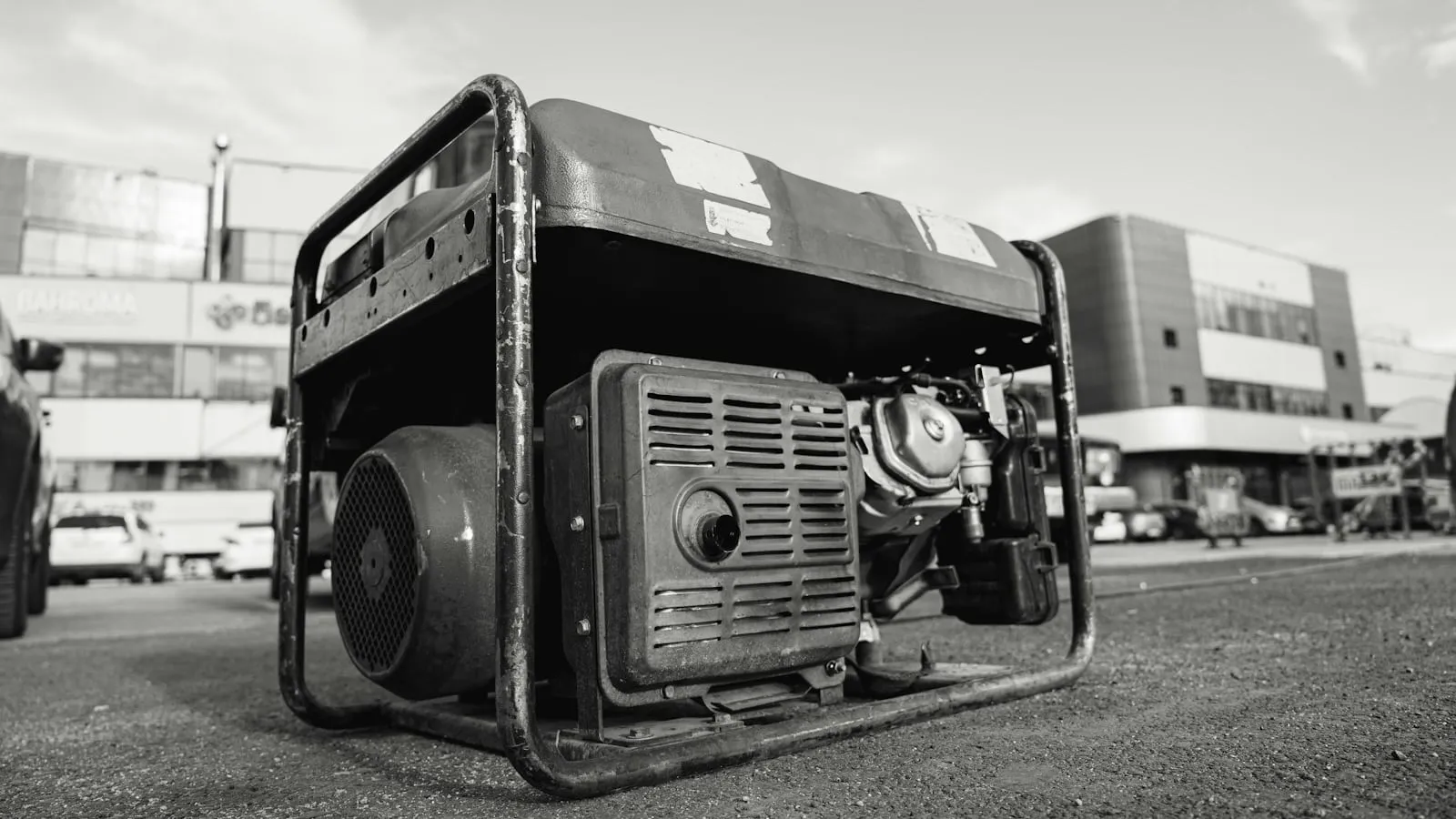
An inverter generator is named for how it conditions electrical output. That design can affect sound, fuel use, size, and cost, but the label alone does not tell you whether a model can start your pump, run your refrigerator, or connect safely to your home.
How the two designs make power
An inverter generator first produces alternating current (AC), converts it to direct current (DC), then uses an inverter to produce AC output. Honda describes this conversion in its inverter generator overview. Many inverter models can vary engine speed as demand changes, though the controls and operating range depend on the specific unit.
A conventional portable generator usually produces AC directly from the alternator. Some models use an automatic voltage regulator or another control method to manage output. “Conventional” is a useful category, not a guarantee that every generator behaves alike. Honda’s selection guide describes multiple regulation approaches; check the model manual for the one you are considering.
An inverter is not the same thing as an inverter generator: a battery power station also uses an inverter, but stores electricity in a battery rather than producing it with a fuel-burning engine.
When the design difference matters
A refrigerator cycles off while the router and a few lights remain on. That changing load is one reason to look at how a candidate controls engine speed, rather than comparing only maximum watts. Honda’s inverter explanation describes variable-speed operation; the exact model determines when that behavior applies.
| Your situation | Design question worth investigating |
|---|---|
| Long periods with only small loads | Does the model reduce engine speed at that load, and what fuel and sound evidence is available for that operating mode? |
| A motor starts while other equipment is running | Does the manufacturer’s guidance cover that starting event, including any restrictions on economy or variable-speed modes? The inverter label alone cannot answer this. |
| An appliance specifies power-quality requirements | What output regulation or waveform evidence does the exact generator provide, and does the appliance maker accept it? Conventional models can also have output regulation. |
| You already own a generator that meets the task | What specific unmet requirement would changing design solve? An architecture label alone is not a reason to replace working, suitable equipment. |
An enclosed portable inverter model may look easier to live with than an open frame, but the enclosure is a separate feature from the electrical conversion. Compare the actual dimensions, cooling instructions, movement route, and sound test conditions. Neither appearance nor design changes the outdoor carbon-monoxide rules.
Compare the job, not the label
Start with the devices you need to run together. Record their running watts, starting demand, voltage, and hours of use. A refrigerator compressor, well pump, or sump pump can need a brief starting surge that its running-watt figure does not show. The portable generator guide explains how to collect those loads and check connection options.
Then compare specific models at a useful, shared load. If one generator is rated for substantially more output, comparing each unit at “25% load” may mean they are powering different amounts of equipment. Use the same watts or the same actual devices when the manufacturer publishes comparable evidence.
| What to compare | Evidence to put side by side | What the label does not tell you |
|---|---|---|
| Output | Rated watts, voltage, receptacles, and starting or surge output | Whether a motor will start while other loads are running |
| Power quality | Model-specific voltage and frequency tolerances, waveform or distortion data when published, and the manual’s device guidance | That every inverter model is suitable for every electronic or medical device |
| Sound | Sound level in dBA, measurement distance, load, and test method | How loud it will seem at your property or to a neighbor |
| Fuel use | Fuel consumed at the same load, fuel type, tank quantity, and test conditions | Runtime at an unreported or different load |
| Size and movement | Dry and operating weight, handles or wheels, and storage dimensions | Whether one person can safely move it through your actual route |
| Connection | Receptacle type, voltage, neutral and bonding instructions, and approved home connection method | That an outlet or interlock is compatible with your panel |
If a manual gives a sound figure at a particular distance and load, compare it only with another figure taken on a similar basis. Fuel claims also need a common load and fuel type. If the test conditions differ or are missing, record the result as “cannot compare” instead of treating the number as a promise.
What an inverter design may change
Variable engine speed can let some inverter models reduce engine speed when electrical demand is low. Depending on the model and operating conditions, that may reduce fuel consumption or sound during lighter use. Enclosure, cooling, engine size, load, and measurement method also matter. A conventional generator may be a better match when its output, outlets, service path, or purchase constraints fit the task. Compare measured specifications instead of assuming that one category always runs quieter or uses less fuel.
Power-quality claims need the same care. Inverter electronics can regulate output, but performance varies by model and load. A broad “clean power” statement is not a compatibility certification. For sensitive, medical, or high-value equipment, check the equipment maker’s requirements and the generator manual; ask the provider if either document leaves a material question unanswered.
Record the architecture questions before shortlisting
For each exact model, write down:
- Model name and manual revision
- Output regulation method and documented engine-speed behavior
- Any motor-start restrictions on economy or variable-speed modes
- Published power-quality data and its test conditions
- Sound level, distance, load, and test method
- Fuel consumption at the planned load and fuel type
The CDC calls for portable generators to operate outdoors more than 20 feet from doors, windows, and vents; its guidance also recommends working battery-powered or battery-backup carbon-monoxide alarms. CPSC says to direct exhaust away from buildings. That distance is a general minimum, not a site assessment: property layout, exhaust direction, and the exact manual still matter. Never run a generator in a home, garage, basement, shed, porch, carport, or other enclosed or partly enclosed space. See the generator safety guide before planning a location.
Make the next decision
First eliminate any model that cannot support the required running and starting load, meet the equipment makers’ requirements, or connect through a safe approved method. Compare the remaining models on sound, fuel use, portability, service, and budget using the same household task. If the evidence is incomplete, pause the comparison and ask the manufacturer for the exact test conditions or performance data you need.