In this guide Jump to a section
Every year, millions of well-intentioned households throw out hundreds of dollars in canned goods, rice, and emergency rations that expired silently in the dark recesses of their kitchen cabinets.
The most common emergency pantry failure is treating stored food as a time capsule: you purchase cases of canned soup, push them into a dark closet, and forget about them until a disaster strikes three years later, only to discover stale crackers, separated oils, and rusted cans.
A resilient pantry is not a museum; it is a flowing river.
By adopting the commercial grocery industry’s gold standard—the First-In, First-Out (FIFO) inventory system—you ensure your emergency reserves consist entirely of fresh, high-morale foods that your family eats and enjoys every week.
Base Your Pantry on What You Actually Eat
Do not stock your emergency pantry with foods your family despises simply because a survival checklist recommended them. If your children refuse to eat canned corned beef hash during normal times, they will resist eating it during a stressful winter power outage.
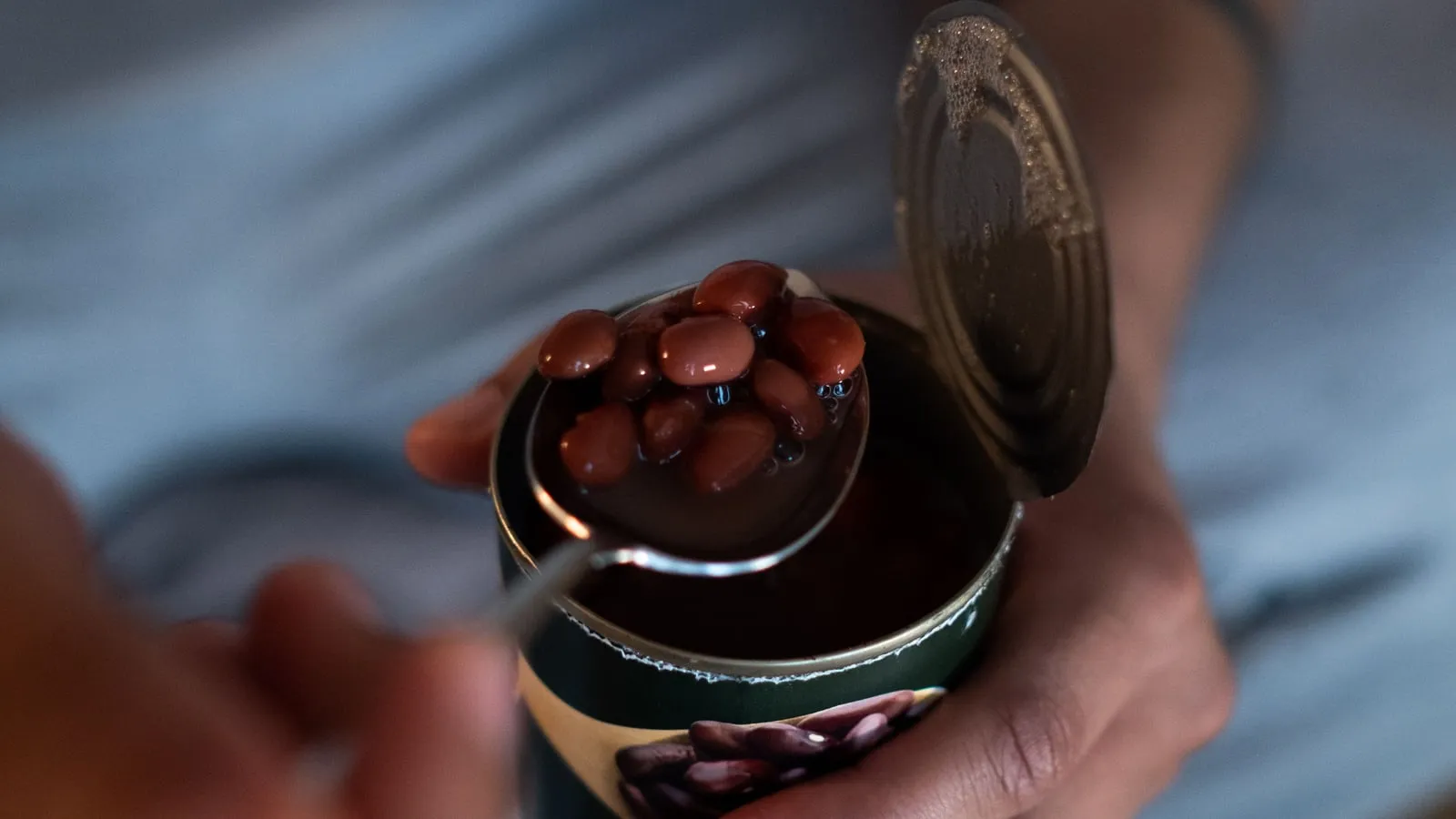
- Family Dietary Profile: Stock items that match your everyday culinary rhythm. If you make chicken curry or taco bowls weekly, store extra canned chicken, coconut milk, salsa, and black beans.
- Medical and Allergy Segregation: If a family member manages celiac disease or severe nut allergies, designate a dedicated shelf for certified allergen-free goods. Never intermingle shared wheat crackers with gluten-free staples.
- Morale Foods: Include familiar comfort items: real maple syrup, fruit preserves, premium cocoa mix, and honey. Familiar foods reduce cortisol levels and provide emotional security during emergencies.
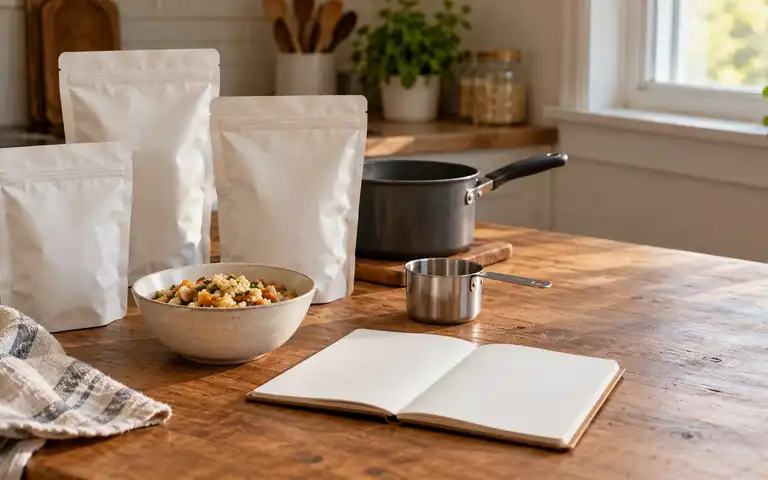
Wallaby 5-Gallon Mylar Bags + 2000cc O2 Absorbers
- Dimensions Inches
- 20 × 30
Why it fits Mylar bags and oxygen absorbers may suit dry-food storage; follow food-specific storage and sealing guidance.
Key trade-off Oxygen absorbers do not absorb air (which is 78% nitrogen); the bag will shrink slightly as 21% O2 is absorbed, but will not look like a rock-hard vacuum pack. That is normal.
Specifications & research
Heavy-duty 5-gallon Mylar bags and 2000cc oxygen absorbers. Source records checked on 2026-11-04. Manufacturer research, not hands-on testing.
- Thickness Mil
- 7.5 · Source checked 2026-11-04
- Material Layers
- Multi-layer Aluminum foil barrier, PET, and food-grade PE liner (BPA-free) · Source checked 2026-11-04
- Dimensions Inches
- 20 × 30 · Source checked 2026-11-04
Manufacturer documentation. Confirm exact Wallaby model specifications and household safety limits before buying.
The Core Mechanics of FIFO Shelving
Implementing FIFO requires establishing a physical assembly line on your kitchen and pantry shelves:
- Load New Stock at the Back: When you return from the supermarket, never place new cans directly on the front of the shelf. Slide existing, older cans forward and stack the newly purchased cans at the rear.
- Eat Strictly from the Front: Family members must pull packages exclusively from the front row. This guarantees that items are consumed in chronological sequence.
- The Permanent Marker Date Stamp: Commercial expiration dates are often stamped in tiny, faint black dot-matrix ink on dark can lids, making them nearly impossible to read in dim light. Keep a thick black permanent marker in your kitchen drawer. As you unpack groceries, write the Month and Year in large, bold numbers directly on the top lid (e.g.,
05/28for May 2028). - Use Gravity-Fed Can Racks: For high-volume staples like diced tomatoes, black beans, and tuna, install inexpensive wire gravity-fed can organizers. You load new cans from the top back rack, and they roll forward automatically as older cans are retrieved from the bottom front.
Deciphering Date Codes: Quality vs. Safety
Much of the food discarded in American homes is completely safe to eat. According to the USDA Food Safety and Inspection Service (FSIS), manufacturers apply date labels to indicate peak culinary quality, not microbial danger.
| Date Label Phrase | Legal Meaning | Does It Mean Food Is Unsafe Past Date? | Action Required |
|---|---|---|---|
| “Best If Used By” / “Best Before” | Indicates when a product will retain peak flavor, aroma, and texture. | NO. Food remains safe long after this date if stored properly. | Inspect packaging; consume normally if can is intact. |
| “Sell By” | Tells the grocery retailer how long to display the product for inventory management. | NO. It is a store logistics date, not a consumer expiration deadline. | Store in pantry; typical canned goods last 1–3 years past sell-by. |
| “Use By” | The last date recommended for use while at peak manufacturer quality. | NO (except for infant formula). | Quality may degrade; inspect can before cooking. |
| “Expiration Date” (Infant Formula Only) | Federally Mandated Safety Date. Infant formula nutrients degrade over time. | YES. Formula nutrients decline and physical clumping can occur. | MANDATORY DISCARD. Never feed infant formula past its printed expiration date. |
When to Discard Regardless of Date
Never rely on dates if the physical container is compromised. Throw away any can that displays:
- Bulging or swollen ends: Indicates active anaerobic microbial growth emitting gas (Clostridium botulinum hazard).
- Severe dents on the rim or side seam: Breaches the airtight micro-seal, allowing bacterial entry.
- Pervasive rust: Rust weakens the metal tinplate, causing microscopic pinholes.
- Spurting liquid or off odors: If liquid spurts out upon puncturing the can, discard it immediately.
The 60-Minute Twice-a-Year Pantry Audit
You do not need to spend hours every week managing inventory. Conduct a focused, 60-minute pantry check twice a year, synchronized with the spring and autumn daylight saving time changes (the same weekend you test smoke alarm batteries):
- Minute 0–15 (Shelf Sweep): Scan your pantry shelves from top to bottom. Pull forward any items with dates expiring in the next three months.
- Minute 15–30 (The “Eat Down” Basket): Place those approaching items into an attractive wire basket on your kitchen counter labeled “Eat First.” Plan your household dinners for the coming two weeks around these ingredients.
- Minute 30–45 (Community Donation): If you discover excess shelf-stable items that your family will not consume before their peak date, place them in a box and take them to a local community food pantry. Food banks welcome unopened, unexpired canned staples.
- Minute 45–60 (Restock Order): Make a concise shopping list of the foundational staples you consumed over the prior six months, and restock your rear inventory on your next grocery run.
Controlling Environmental Threats: Heat, Moisture, and Pests
Even the best FIFO rotation system will fail if environmental conditions degrade your food:
- Heat Destroys Nutrients: Never store emergency food in an unconditioned attic or an attached garage where summer temperatures exceed 85°F (29°C). Heat accelerates chemical oxidation, turning fats rancid and breaking down vitamins. Maintain your pantry between 50°F and 70°F (10°C–21°C).
- Moisture Causes Rust: Keep foods off concrete basement floors. Concrete wicks ground moisture, causing metal can bottoms to rust within months. Store goods on heavy-duty wire or resin shelving at least four inches off the floor.
- Pest-Proofing Dry Staples: Cardboard boxes and thin plastic bags are easily penetrated by pantry moth larvae and rodents. Transfer dry grains, rolled oats, white rice, and pasta into thick, airtight glass jars or heavy BPA-free plastic food storage bins with rubber gasket seals.
Printable Pantry FIFO Rotation Checklist
- Establish front-to-back flow: Clear shelves and arrange products with oldest stock at the front, newest at the rear.
- Date stamp incoming goods: Keep a black permanent marker in the kitchen; write month/year on all new can lids.
- Install can organizers: Use gravity-fed wire can racks for high-turnover canned vegetables, soups, and beans.
- Protect dry staples: Transfer oats, rice, and flour into airtight gasket-sealed containers.
- Check infant formula dates: Audit all baby formula; discard any canisters past their printed expiration date.
- Inspect for can damage: Cross-check for bulging lids, rim dents, or rust; discard questionable containers.
- Schedule calendar audit: Set phone calendar reminders for the spring and fall time changes to conduct your 60-minute audit.
Frequently Asked Questions
What happens if you eat canned food two years past its “Best By” date?
If the metal can is in good condition (no swelling, severe rim dents, or deep rust) and was stored in a cool, dry place, the food inside remains commercially sterile and safe to eat. Over multiple years past the date, the texture may soften, colors may darken slightly, and vitamin levels (especially Vitamin C) will decline, but it will not cause foodborne illness.
How do you organize a very small apartment pantry for FIFO?
In small apartments where shelves are narrow and shallow, deep front-to-back stacking is difficult. Instead, use shallow, pull-out plastic bins with adhesive labels. Label one bin “Eat First” and another “Reserve.” Store newer groceries in the reserve bin and transfer them into the active bin as items are consumed.
Should you keep a written spreadsheet of your pantry inventory?
For most households, detailed digital spreadsheets fail because logging every can consumed creates administrative friction. The physical FIFO system—marking dates with a permanent marker and storing older items in front—maintains perfect rotation automatically without typing on a computer or updating an app.