2026 Hurricane Season Home Prep Checklist: Water, Power, Evacuation, and Cleanup
Seasonal Content: This guide is most relevant during fall months.
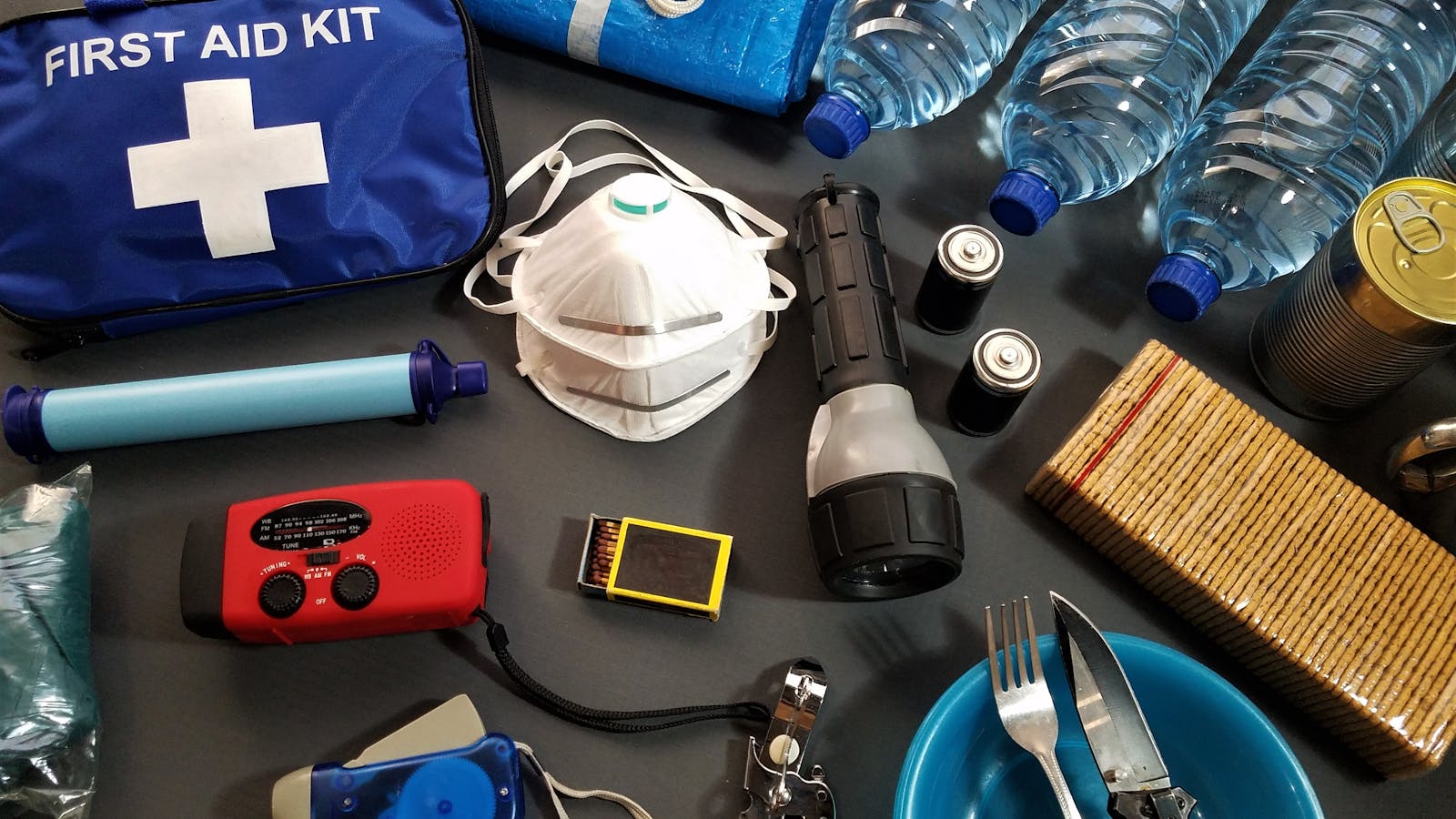
2026 Hurricane Season Home Prep Checklist
FEATURED-SNIPPET
For the 2026 hurricane season, prepare for water loss, power loss, inland flooding, evacuation delays, and post-storm carbon monoxide risk. Build a 3-day floor, then extend water, food, power, medication, and sanitation toward 2 weeks where storage and budget allow.
Source note, updated June 2, 2026: NOAA’s 2026 Atlantic hurricane outlook calls for a below-normal season as the most likely outcome, but NOAA still stresses preparation every season because one landfalling storm can cause life-threatening damage. Water, kit, and generator guidance in this checklist aligns with CDC and Ready.gov public guidance.
A quiet forecast is not a household plan. Hurricanes and tropical storms create overlapping problems: water outages, long power failures, road closures, storm surge, inland flooding, heat after the storm, and carbon monoxide risk from generators.
Real talk: the best hurricane prep is usually unglamorous. It is water you bought early, a printed insurance page, a charged power bank, the right wrench, and leaving before the route floods.
Who This Is For
Use this checklist if you live in a hurricane, tropical storm, storm surge, or inland flood risk area. It also applies if your household may host evacuated relatives or lose power when a coastal storm moves inland.
What Fails First
- Storm surge or flash flooding blocks evacuation routes.
- Municipal water is unsafe, unavailable, or under boil-water notice.
- Cell service works intermittently because towers are overloaded or on backup power.
- Generators create carbon monoxide hazards after the storm.
- Stores reopen before supply chains are stable, so shelves stay thin.
- Cleanup begins before people have gloves, masks, safe shoes, or tetanus status checked.
Minimum Viable Setup
- Water: store at least 1 gallon per person per day for 3 days.
- Food: keep 3 days of no-cook or low-cook meals.
- Power: charge phones, power banks, radios, and medical devices.
- Lighting: use headlamps and lanterns, not candles.
- Documents: keep IDs, insurance, medications, and emergency contacts in a waterproof pouch.
- Evacuation: know two routes and the trigger that means you leave.
72-Hour Prep Timeline
72 Hours Before Possible Impact
- Check local evacuation zone and flood maps.
- Buy water, food, prescriptions, pet supplies, batteries, and fuel if needed.
- Photograph rooms, major belongings, roof, windows, and exterior walls.
- Confirm where vehicles will be parked.
- Clear drains, gutters, patios, and loose yard items.
48 Hours Before
- Charge phones, radios, laptops, power stations, and power banks.
- Put documents in a waterproof pouch.
- Freeze water bottles to help coolers and refrigerators.
- Test generator, extension cords, and CO detectors if you use one.
- Confirm the evacuation trigger with everyone in the household.
24 Hours Before
- Fill tubs or utility containers for non-drinking water if safe to do so.
- Move valuables and chemicals above likely flood levels.
- Secure outdoor furniture, grills, trash cans, and tools.
- Send your contact plan to the out-of-area relay.
- Go to bed earlier than you think you need to.
Better 2-Week Setup
Move from survival basics to household continuity:
- Water for 14 days where storage allows, plus a filter and purification backup.
- Shelf-stable meals your household already accepts.
- Battery radio with NOAA alerts.
- Power station or generator plan sized to critical loads only.
- Battery-powered or battery-backup carbon monoxide detectors.
- Cash in small bills, printed maps, and written contact plans.
- Cleanup gear: gloves, N95 masks, contractor bags, disinfectant, and sturdy shoes.
Flood And Storm Surge Reality
Wind gets attention, but water kills more quietly. Storm surge, rainfall flooding, and blocked drainage can make a familiar road unusable in minutes.
| Risk | Household Action |
|---|---|
| Storm surge zone | Leave when ordered; do not wait to inspect conditions |
| Inland flood zone | Know high-ground routes before rain starts |
| One-road neighborhood | Leave earlier if water can cut access |
| Ground-floor apartment | Move documents, chargers, and supplies above floor level |
| Well or septic system | Plan for water contamination and delayed inspection |
Evacuation Triggers
Leave early if local officials order evacuation, if you are in a storm surge zone, if flooding can cut off your route, if someone depends on powered medical equipment, or if your home cannot safely handle wind and water intrusion.
Generator Safety
Run generators outside, more than 20 feet from windows, doors, and vents. Never run one in a garage, porch, breezeway, or enclosed carport. Keep CO detectors working before the storm arrives.
Post-Storm First Hour
- Do not enter floodwater.
- Check for downed power lines before walking the property.
- Keep generators outside and away from openings.
- Photograph damage before cleanup.
- Use gloves and sturdy shoes before moving debris.
- Avoid refrigerated food if power has been out long enough to make it unsafe.
- Send one short status update instead of tying up the network.
Printable Household Checklist
- Water stored and labeled
- Food plan covers 3 days minimum
- Power banks charged
- NOAA/weather alerts working
- Documents waterproofed
- Evacuation trigger agreed
- Generator and CO detectors checked
- Pets and medications included
- Cleanup gear staged
- Out-of-area contact notified
Source Notes
- NOAA 2026 Atlantic hurricane outlook: below-normal most likely, but preparation remains necessary.
- CDC emergency water guidance: 1 gallon per person per day, with 2 weeks if possible.
- CDC generator guidance: outside and away from openings because carbon monoxide can be fatal.
- Ready.gov kit guidance remains the baseline for household emergency supplies.